

Discover how Mexico celebrates Day of the Dead: altars, ofrendas, parades, and unique traditions across every region of the country to honor loved ones.
How Day of the Dead is celebrated across Mexico
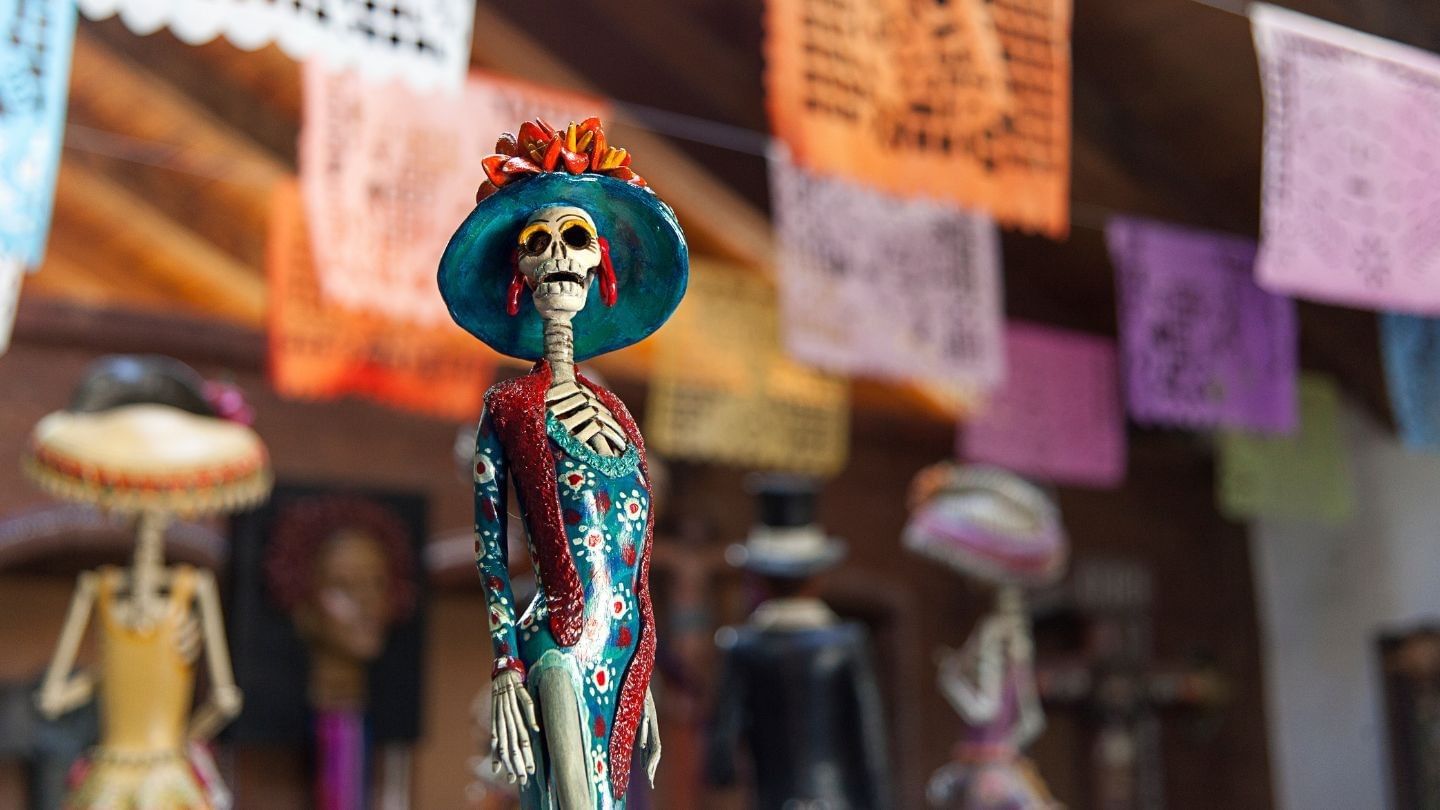 Photo: Shutterstock
Every November 2, all of Mexico is wrapped in one of its most meaningful traditions: Day of the Dead. This special celebration blends ancestral Indigenous customs with Catholic influences, becoming a heartfelt expression of love for those who no longer share the physical world with us. Across the country, rituals and ceremonies vary, and in major cities like Mexico City, Oaxaca, Aguascalientes, Puebla, and Guadalajara, a range of traditions bring this holiday to life.
Mexico City: Parades and monumental ofrendas
In Mexico City, Day of the Dead unfolds through a variety of events, including the now-iconic Catrinas Parade along Paseo de la Reforma Avenue.
The Zocalo and the main campus of UNAM are famous for their massive ofrendas, which draw large crowds eager to enjoy the festive atmosphere.
At Camino Real Polanco, you’ll find a large altar set up in the hotel lobby. Photo: Shutterstock
Oaxaca: The Colorful Altar of Zapotec Tradition
Oaxaca, Mexico’s cultural jewel, pays a heartfelt tribute to its Zapotec roots during Day of the Dead. Streets glow with candles and lanterns, and the air fills with the scent of flowers.
Throughout the city, you’ll see sand and flower carpets displaying intricate geometric designs. It is also customary to visit cemeteries accompanied by live music and offer traditional dishes like mole and hot chocolate.
Parades and comparsas fill the streets, with people dressed in traditional attire, sugar-skull makeup, and masks, marching to lively rhythms. These processions often end in cemeteries, where celebrations continue.
But the most emblematic place during these dates is Mitla—a site deeply rooted in Zapotec culture and considered one of the gateways to the underworld.
In Nahuatl, the Mictlán is also known as Mitla, meaning “place of the dead.” This connection makes Mitla an ideal host for the souls who, according to legend, return from Mictlán to visit their hometowns during Day of the Dead.
In Mitla, Zapotec traditions are honored with devotion. On November 1 at noon, locals welcome their departed with fireworks, music, and festivity. Copal incense fills the air, purifying the path for the returning souls. Families build altars and place woven mats on the floor for spirits to rest.
On November 2, the souls return to Mitla once more, and celebrations continue with fireworks. Pan de muerto—soft, fragrant, often decorated with skull and bone motifs—is an essential element of every ofrenda. This iconic bread symbolizes the bond between the living and the dead.
Where to stay in Oaxaca
Quinta Real Oaxaca stands out for its architectural splendor, located in the former convent of Santa Catalina de Siena. The hotel is a short walk from the Historic Center, giving you easy access to Santo Domingo Church, several museums, the Ethnobotanical Garden, the legendary Tule Tree, and the archaeological site of Monte Albán.
Aguascalientes: Home of La Catrina
In the heart of Aguascalientes, Day of the Dead becomes a one-of-a-kind experience through the narrow alleys of its picturesque historic center. Here, altars rise as true works of art, and nighttime processions take over the cobblestone streets lit by flickering candlelight.
Altars are adorned with regional elements—including colorful papel picado and traditional wooden toys. Elegantly dressed catrinas and catrines walk through the streets, reminding everyone that death is a natural companion in life’s journey.
Across the state, dazzling parades and cultural events celebrate Day of the Dead.
The Festival de Calaveras is one of Aguascalientes’ most important traditions. Each year, from late October to early November, the city comes alive with festivities dedicated to the departed.
The festival honors José Guadalupe Posada, the famed artist from Aguascalientes who created the “Calavera Garbancera,” later renamed “La Catrina” by Diego Rivera. This iconic figure is the festival’s symbol and a representation of Mexico’s rich tradition of celebrating death.
A highlight of the festival is the impressive Monumental Catrina, a giant figure adorned with vibrant colors and flowers that becomes the visual centerpiece of the celebration.
This year, the festival will take place at the San Marcos Island fairgrounds, featuring music, theater, culture, entertainment, and tradition.
Where to stay
If you’re visiting during Day of the Dead, Quinta Real Aguascalientes offers a privileged location near the Historic Center. Its spacious suites feature original artwork and views of the pool, gardens, or Magnolia Plaza. Enjoy serene gardens, fountains, an outdoor pool, and the Los Murales restaurant-bar for regional and international cuisine.
Puebla: A Festival of Flavor and Color
In Puebla—famous for its exceptional cuisine—Day of the Dead becomes a culinary celebration unlike any other. Local markets overflow with bold flavors, while families prepare ofrendas filled with tamales, mole, cemitas, and traditional sweets.
Churches and cemeteries bloom with bright cempasuchil flowers, and the streets pulse with music and dance. Puebla is a place where the senses awaken and where flavors and colors come together to honor life and death.
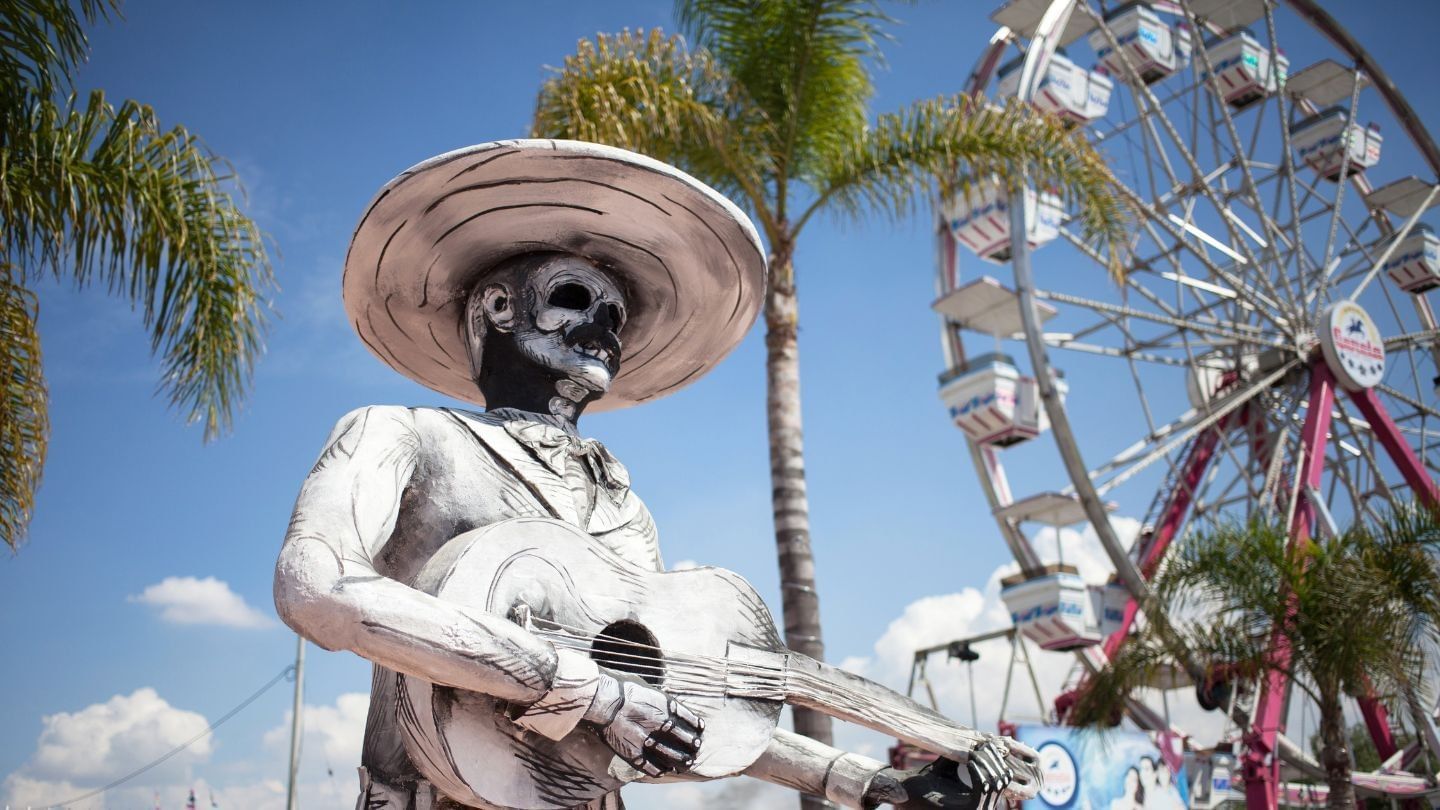 Photo: Shutterstock
Where to Stay in Puebla
Quinta Real Puebla is located in the heart of the city, inside the former Convent of the Immaculate Conception—an extraordinary 16th-century building whose origins date back to 1593.
Just two blocks away stands the majestic Cathedral, offering a rich cultural experience. If you're traveling for business, the hotel is only five minutes from the Convention Center and fifteen minutes from the Exhibition Center.
Guadalajara: Where Charro Tradition Meets Day of the Dead
In Guadalajara—the birthplace of Mexico’s charro tradition—Day of the Dead takes on a distinctive flavor. The famous Plaza de los Mariachis fills with music as families build altars that often include charro elements like hats and boots. These altars become true works of art, and tequila flows in honor of loved ones who have passed.
A Celebration of Life and Memory
Day of the Dead in Mexico reflects the country’s cultural diversity. While traditions vary from city to city, all share a deep respect for the departed. Through altars, music, dance, and cemetery visits, Mexicans celebrate life—reminding us that death is not an end but a natural stage of our journey.
These traditions show how love and memory transcend time and distance, uniting Mexico in a celebration that honors both life and death in a uniquely beautiful way.
Where to Stay
Enjoy a stay at Quinta Real Guadalajara, just a 10-minute drive from the museum. This hotel embodies the cultural and historical spirit of Jalisco, with antique furnishings, art pieces on ivy-covered stone walls, sprawling gardens, cozy fireplaces, and private suites that offer a peaceful retreat from the bustle of the city.
Mexico is tradition—and experiencing Day of the Dead on its own soil is an unforgettable journey. How will you honor your loved ones this year?