

Discover 5 ways to experience Day of the Dead in Mexico City, from Mixquic and Xochimilco to parades and traditional altars. Plan your visit.
5 Day of the Dead Experiences in Mexico City Worth Experiencing
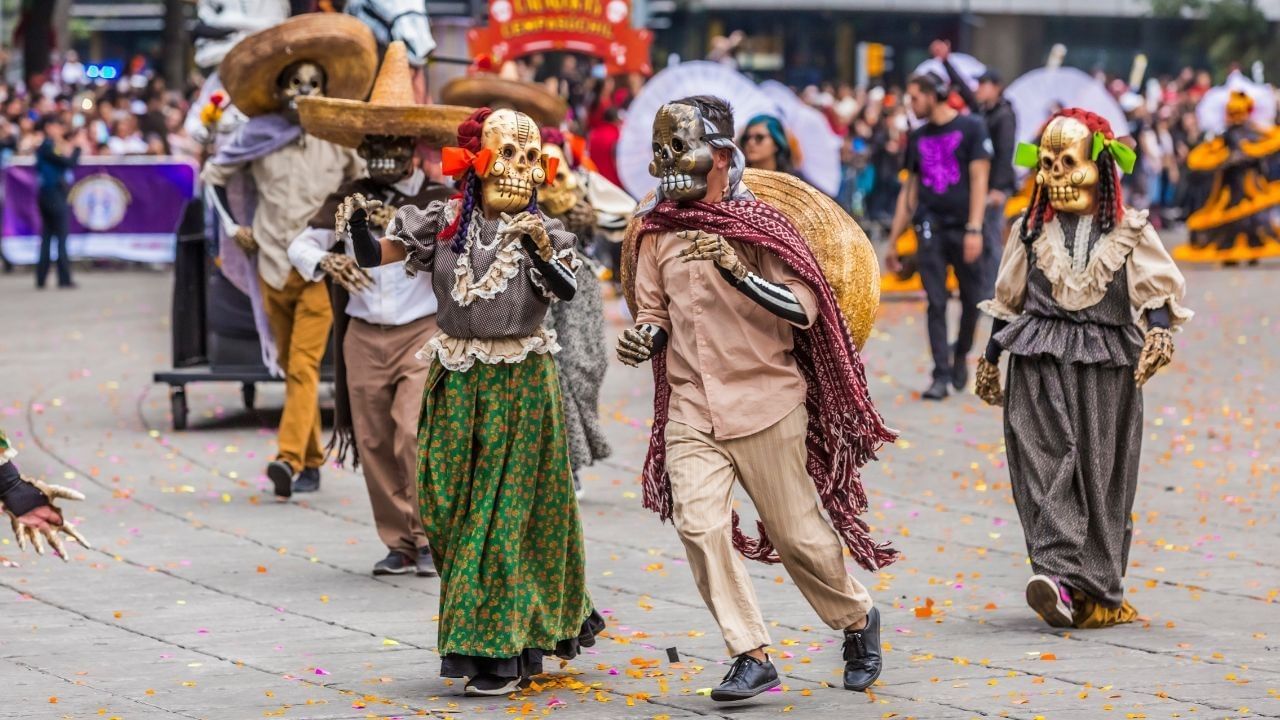 Photo: Shutterstock
Every year, during the last days of October and the first days of November, Mexico City takes on a different rhythm. Marigolds appear throughout the streets and plazas, traditional altars fill public spaces, and communities across the city keep alive traditions that make Day of the Dead one of the most special times to visit the capital.
But experiencing this celebration goes far beyond finding an altar or attending a parade. Mexico City offers a wide range of experiences: some deeply rooted in the traditions of its communities, others that blend culture and contemporary art, and others that allow visitors to discover the city from an entirely different perspective.
If you're planning a trip to Mexico City during this season, here are five experiences worth adding to your itinerary.
1. Experience the Day of the Dead traditions in Mixquic
San Andrés Mixquic, in the Tláhuac borough, is one of the most iconic places in Mexico City to experience Day of the Dead traditions.
One of the most meaningful moments takes place on the night of November 2, when the cemetery of San Andrés is illuminated by candles, flowers, and families gathering to remember their loved ones. Known as La Alumbrada, the celebration has an intimate, community-centered character that offers a glimpse into a tradition that remains deeply connected to local life.
More than a tourist attraction, visiting Mixquic offers the opportunity to see how Day of the Dead continues to be a living tradition and an important part of the community's identity.
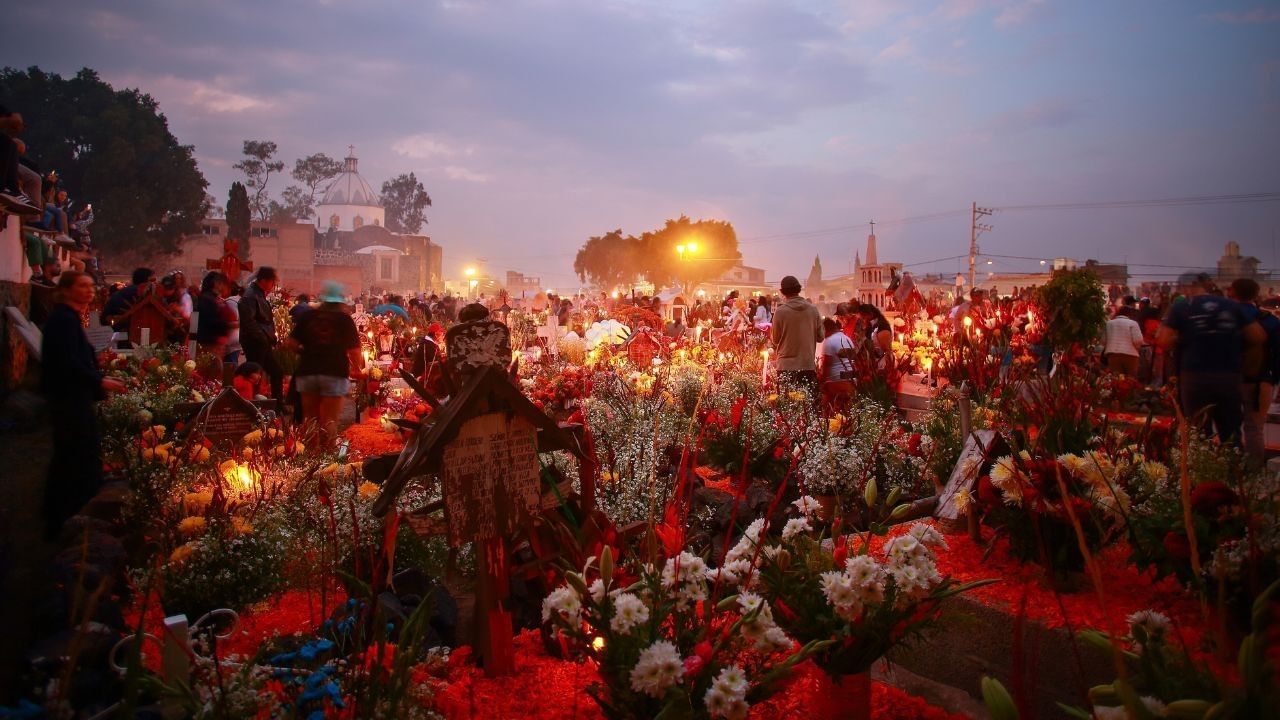 Photo: Shutterstock
Best for: travelers looking for an authentic cultural and traditional experience.
Tip: Allow plenty of time for transportation and expect larger crowds, especially on the night of November 2.
2. Experience the Day of the Dead Grand Parade
One of the capital's most contemporary expressions of the celebration is the Day of the Dead Grand Parade in Mexico City.
The streets become a stage for Catrinas, elaborate floats, music, dancers, and different representations of Mexican culture. The route through areas such as Paseo de la Reforma allows visitors to experience the celebration from a more urban and festive perspective.
It is also a great opportunity to combine the parade with other city attractions. You can start the day exploring Chapultepec Park, continue toward Reforma, and finish the day in Polanco, home to an extensive selection of restaurants and cultural experiences.
Best for: families, first-time visitors to Mexico City, and travelers looking for a lively experience.
3. Explore Xochimilco among flowers, canals, and traditions
Xochimilco offers one of the most distinctive experiences in Mexico City year-round, but it takes on a particularly unique atmosphere during Day of the Dead.
Boarding a trajinera allows you to explore its canals while discovering the landscapes, markets, and traditions of this southern part of the city. During the season, visitors can also find Day of the Dead activities, nighttime tours, and theatrical interpretations of Mexican legends.
If you want to enjoy Xochimilco at a more relaxed pace, it is worth checking schedules and activities ahead of time, particularly on weekends during the holiday season.
Best for: groups of friends, families, and travelers looking to experience a traditional side of Mexico City from a different perspective.
4. Discover Day of the Dead altars and cultural experiences throughout the city
One of the best ways to experience Day of the Dead in Mexico City is simply to explore the city on foot.
During the season, museums, hotels, plazas, cultural centers, and public spaces feature altars and installations that reinterpret traditional elements such as papel picado, candles, pan de muerto, photographs, and marigolds.
Mexico City's Historic Center is a great place to begin a cultural itinerary, but you can also find experiences in Chapultepec, Reforma, Polanco, and other parts of the city.
This option makes it easy to create a flexible itinerary and combine Day of the Dead experiences with museums, restaurants, cafés, and other attractions.
Best for: travelers interested in art, photography, food, and exploring the city on foot.
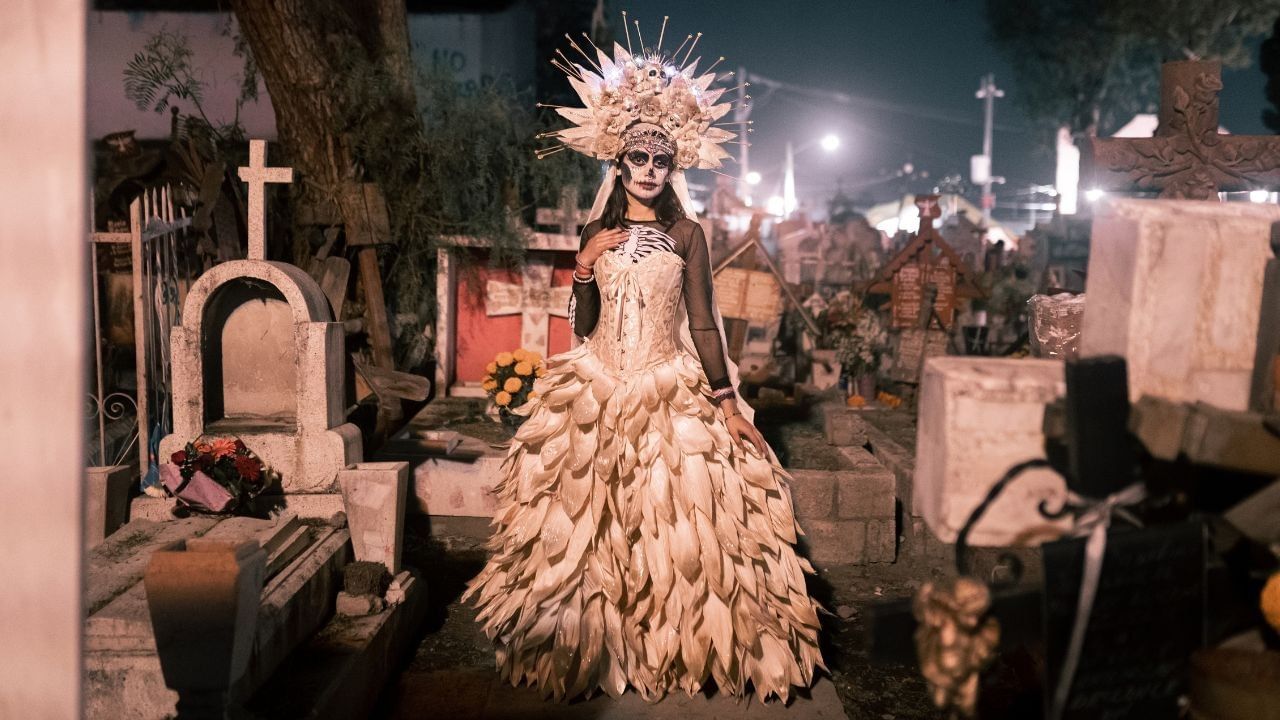 Photo: Shutterstock
5. Turn Day of the Dead into a Mexico City getaway
A visit during Day of the Dead can also be the perfect opportunity to explore different parts of the capital.
Choosing the right hotel location can make it easier to organize your trip depending on the experiences you want to include.
Pedregal: a convenient base for exploring southern Mexico City
For travelers who want to include Mixquic, Xochimilco, Ciudad Universitaria, and other destinations in the south of the city, Camino Real Pedregal México offers a convenient base from which to explore this part of Mexico City.
Its location also makes it possible to combine Day of the Dead activities with other attractions throughout southern Mexico City.
Polanco: culture, dining, and Reforma
If your itinerary focuses on the parade, Chapultepec, museums, Paseo de la Reforma, and restaurants, Camino Real Polanco Mexico is an excellent option for enjoying one of the city's most dynamic areas.
From here, you can combine cultural experiences with dining, shopping, and visits to some of Mexico City's best-known landmarks.
Airport: convenience for short stays
For travelers arriving in Mexico City for only a few days, catching a flight, or looking to make the most of a short stay, Camino Real Aeropuerto México offers a practical option.
Its proximity to the airport can be particularly convenient for international travelers who want to experience Day of the Dead without adding unnecessary travel time to their itinerary.
Which Day of the Dead experience should you choose?
It depends on the kind of trip you're looking for.
If you want a traditional experience, Mixquic is one of the most meaningful options in the city. If you want to experience the celebration in a festive atmosphere, the Day of the Dead Grand Parade is a great choice. To explore one of Mexico City's most distinctive areas, Xochimilco offers a completely different experience, while visiting altars, museums, and cultural spaces allows you to create a more flexible itinerary.
And if you have several days, you don't have to choose just one. One of the advantages of visiting Mexico City during Day of the Dead is the opportunity to combine tradition, culture, food, and urban life in a single trip.
Frequently Asked Questions About Day of the Dead in Mexico City
When is Day of the Dead celebrated in Mexico City?
The main celebrations take place from late October through November 2. November 1 is traditionally associated with All Saints' Day, while November 2 is associated with All Souls' Day, although public events and activities take place over several days.
What can you do for Day of the Dead in Mexico City?
Some of the main experiences include visiting Mixquic, exploring Xochimilco, attending the Day of the Dead Grand Parade, and discovering altars, museums, and cultural spaces throughout the city.
What is the most traditional place to experience Day of the Dead in Mexico City?
Mixquic is one of the most recognized places in the capital for the way it preserves community traditions surrounding the celebration.
Where should you stay for Day of the Dead in Mexico City?
The best location depends on your itinerary. Camino Real Pedregal México is convenient for exploring southern Mexico City; Camino Real Polanco México is ideal for travelers who want to be close to Reforma, Chapultepec, and Polanco; and Camino Real Aeropuerto México is a good choice for short stays or travelers who prioritize proximity to the airport.
How many days do you need to enjoy Day of the Dead in Mexico City?
With two or three days, you can experience some of the city's main Day of the Dead activities, although a longer stay gives you more time to combine the celebrations with museums, dining, and other attractions.
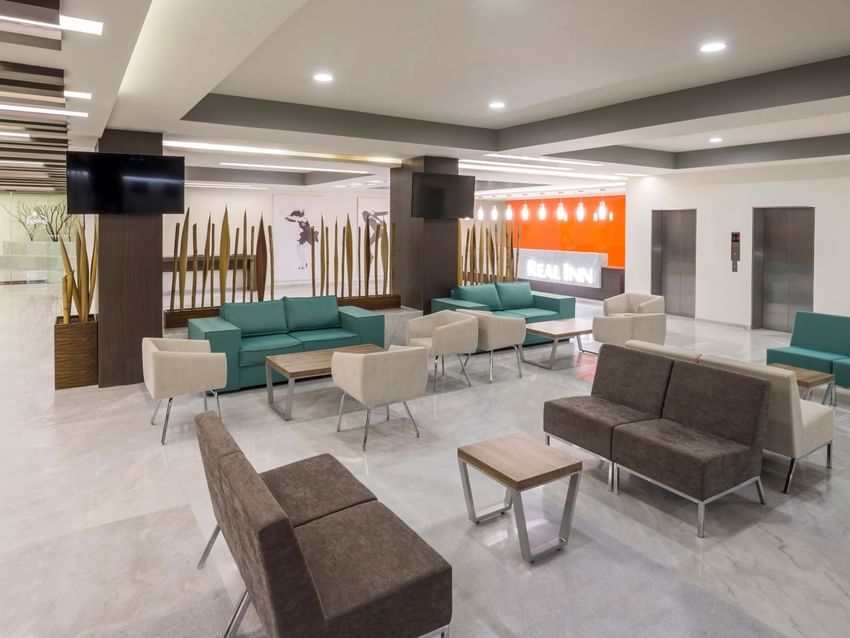
Real Inn Celaya
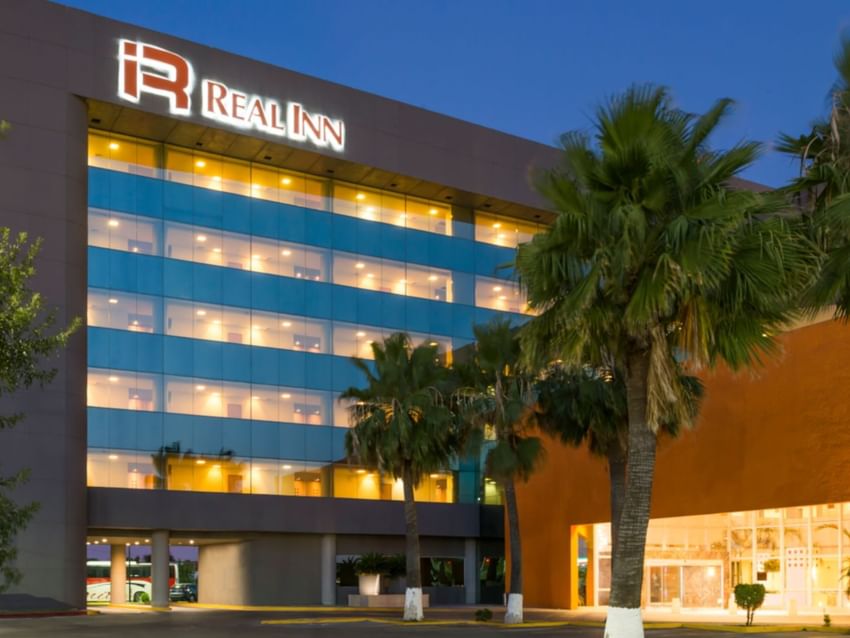
Real Inn Nuevo Laredo
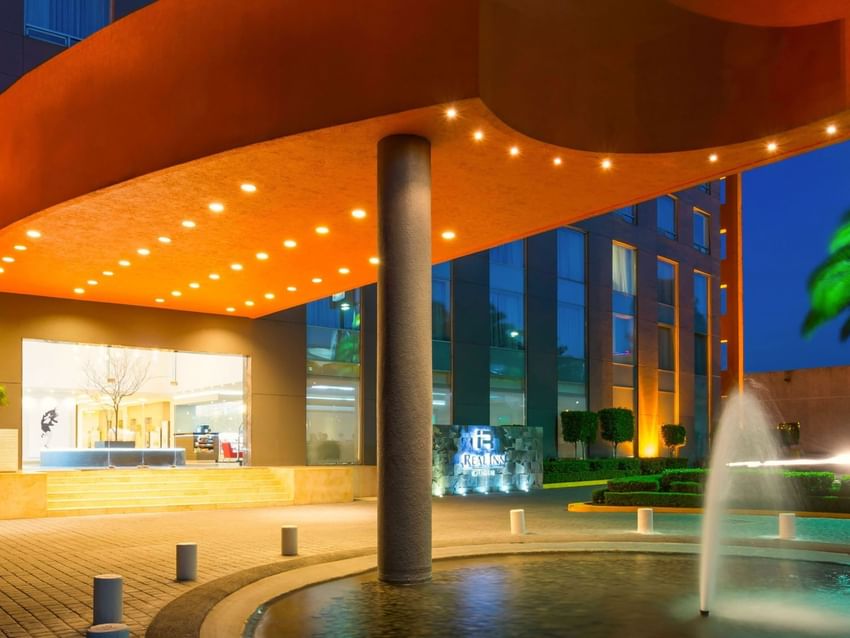
Real Inn Perinorte
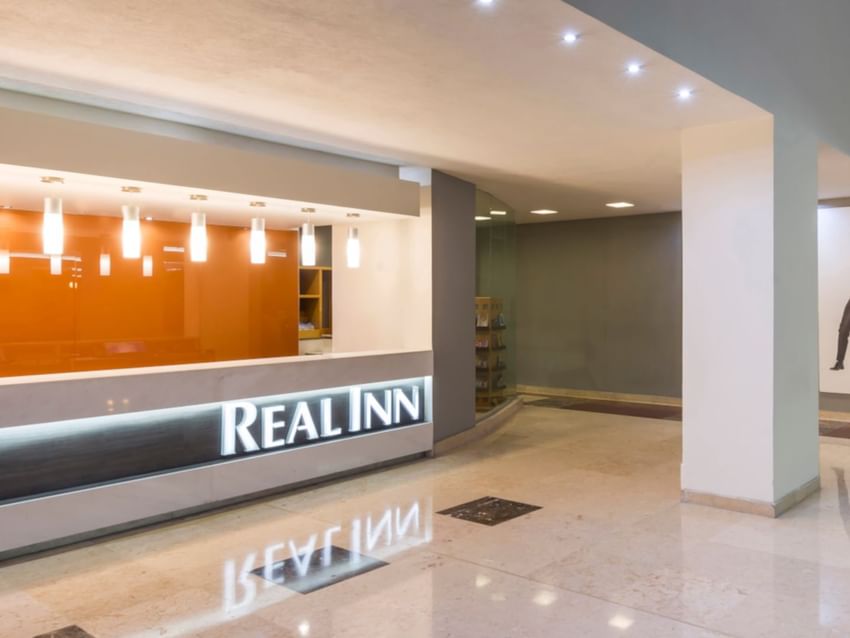
Real Inn San Luis Potosi
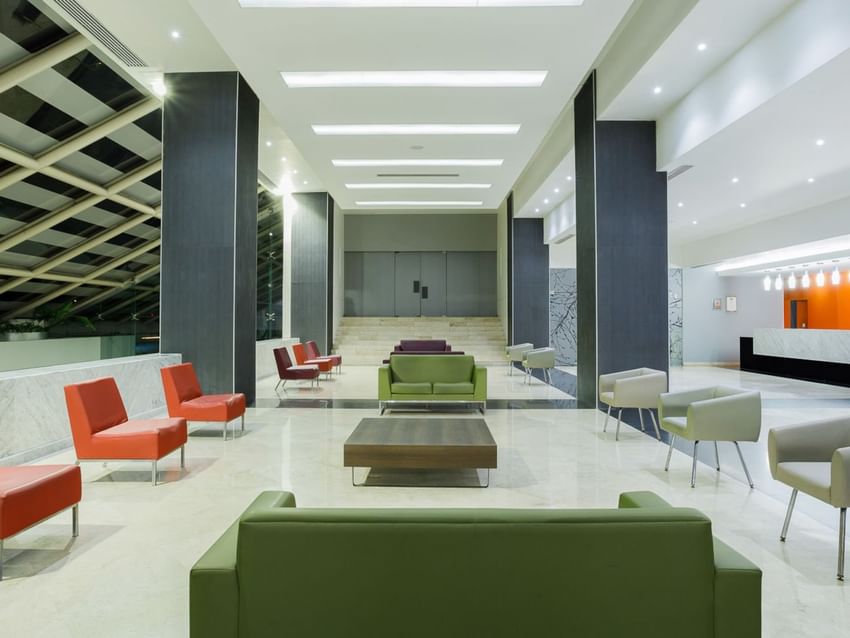
Real Inn Tijuana
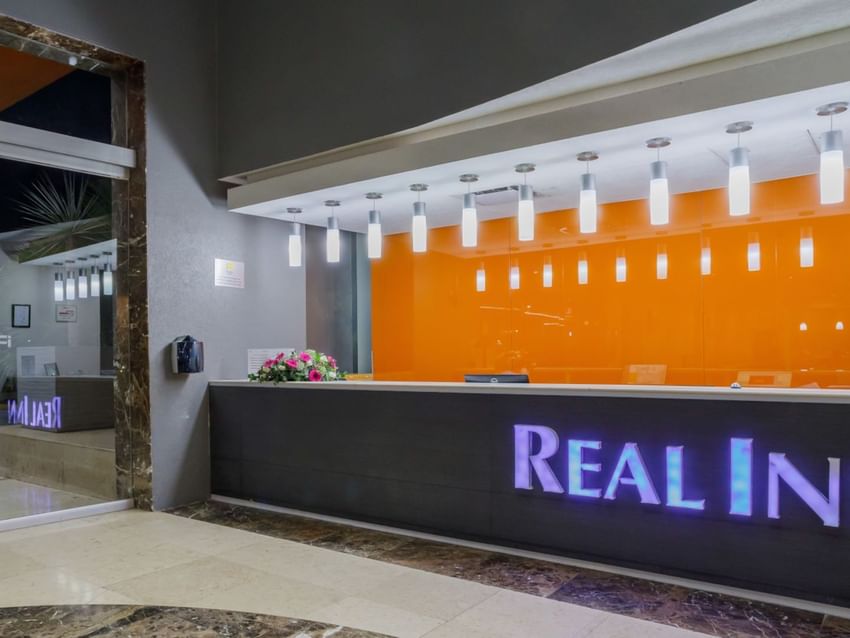
Real Inn Torreon
No Results Found