


Explore San Andres Calpan, Puebla, birthplace of chiles en nogada. Discover colonial history, enchanting chapels, rich traditions, and stunning volcanic-crater landscapes.
Inside San Andrés Calpan, Puebla: Colonial treasures, volcanic views, and chiles en nogada
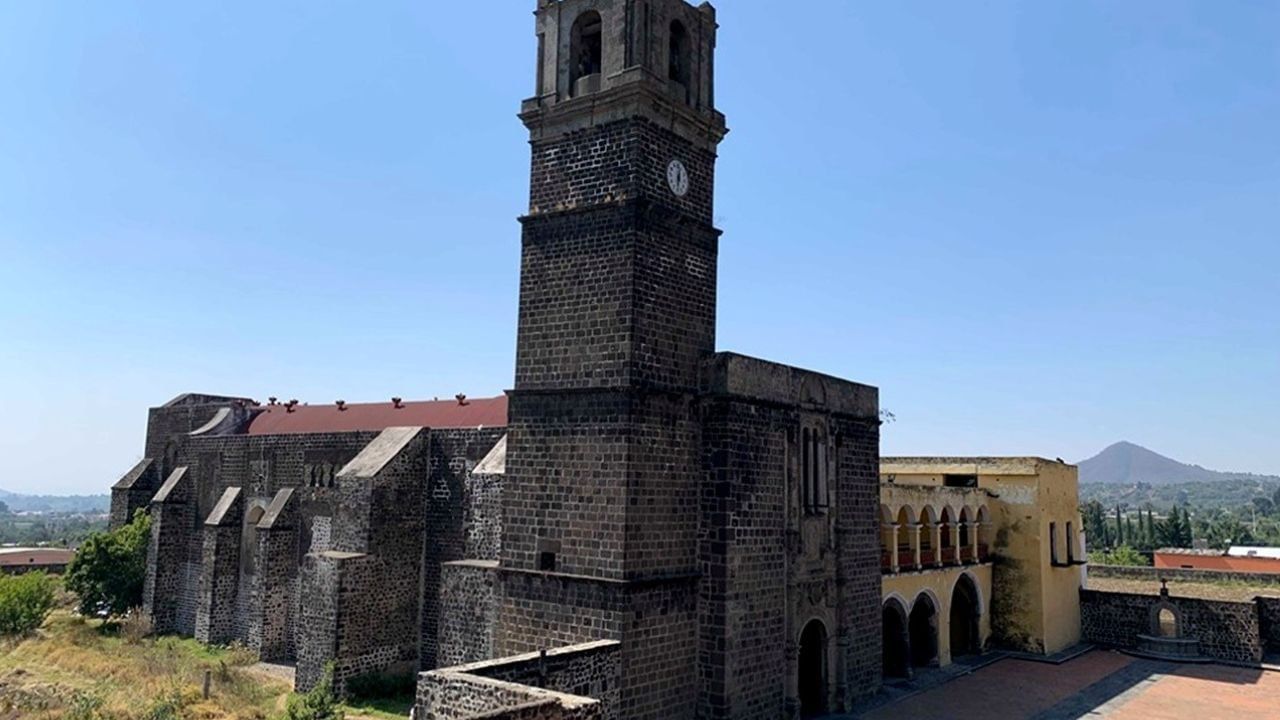 Photo: Mexican Ministry of Culture
Just miles away from the towering Popocatépetl, San Andres Calpan is one of the closest towns to the legendary crater. A place shaped by ancestral culture and vibrant storytelling, it is also the birthplace of one of Mexico’s most symbolic dishes, the unforgettable chile en nogada.
Located about an hour from the city of Puebla and only minutes from Cholula, Calpan stands as a compelling weekend destination. Its authentic atmosphere and surrounding natural landscapes make it perfect for travelers craving a deep dive into traditional Mexico and its scenic beauty.
Getting to know Calpan: A window into New Spain
Calpan is a must for those seeking insight into life during Mexico’s colonial era. It was among the first territories occupied by the Spanish after the fall of the Mexica empire and Tenochtitlan in 1521.
Nine years later, in 1530, Spanish explorer Diego de Ordaz—who took part in the conquest under Hernán Cortés—officially founded San Andres Calpan. One of his first acts was the construction of a Franciscan house, a move that played a pivotal role in shaping the community’s growth and identity.
By 1548, the Franciscan order completed the extraordinary Ex‑Convento Franciscano de Calpan, now one of the region’s most treasured landmarks. Stepping inside its stone walls reveals one of the true architectural gems of the Viceroyalty, renowned for its harmonious blend of artistic influences.
The sprawling gardens, interior halls, and its four majestic open-air chapels—known as capillas posas—make this site one of the most distinctive colonial-era structures still standing in Mexico today.
The intricate stonework within the chapels, dedicated to Saint Francis, Saint Michael, Saint John, and the Virgin Mary, has been praised by global experts, regarded as some of the most significant religious art and architecture in all of Latin America.
In recognition of its cultural and architectural relevance, the Franciscan convent was declared a UNESCO World Heritage Site in 1994.
The stories behind Calpan’s cultural identity
Calpan’s closeness to the mythic volcanos—Popocatépetl and Iztaccihuatl—has given it a cultural weight steeped in symbolism. One of its most moving tributes is a monument honoring Mexico’s timeless love story: the legend of the two eternal lovers.
Created by Mexican artist JoseAntonio del Sagrado Corazón Haghenbeck, the sculpture portrays the brave warrior carrying a Tlaxcalan princess in his arms—moments before she tragically takes her own life, believing her beloved has fallen in battle.
Standing proudly at the roundabout known locally as El Crucero, the monument offers a stirring visual framed by the breathtaking silhouette of the twin volcanos. This powerful setting makes the tale of eternal love even more poignant for those who stop by to witness it.
From dessert to national icon: The roots of chile en nogada
The town’s identity is defined by longstanding agricultural traditions—its economy historically rooted in farming. In these fertile lands, every ingredient that later forms the celebrated chile en nogada grows in abundance.
Local lore suggests that chile en nogada originated as a dessert crafted by the nuns of the Convento de Santa Mónica to celebrate the victory of Mexico’s first emperor, Agustin de Iturbide. The ingredients, however—especially the prized Castilian walnut, peaches, milk pears, plums, and of course, the bold poblano chile—were sourced from nearby Calpan, whose climate provides ideal conditions for their cultivation.
To this day, multiple local families remain devoted to harvesting these key ingredients, which are later distributed to restaurants across Puebla during the September festivities, when the dish takes center stage.
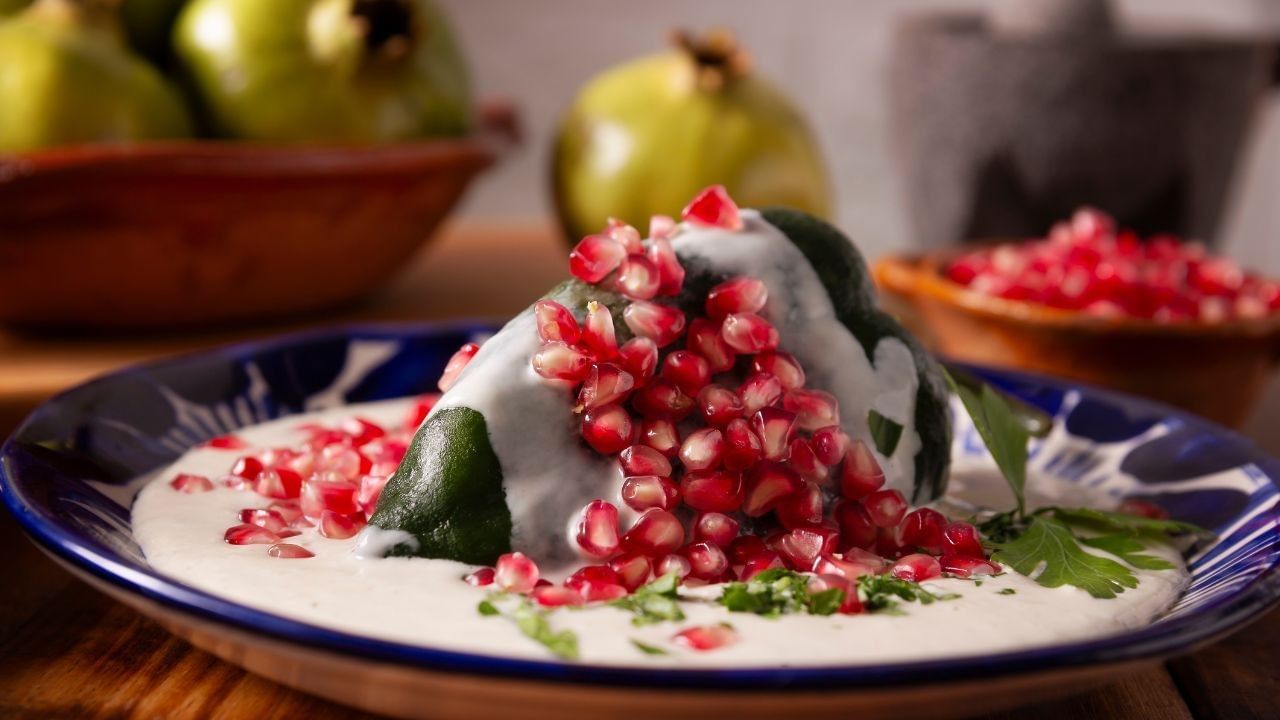 Photo: Shutterstock
How to experience Calpan
San Andres Calpan is a destination that beckons travelers to slow down, wander its peaceful streets, and take in both its natural wonders and cultural richness. It’s a place made for unplugging, reconnecting, and soaking up authentic Mexican heritage.
To make the most of your stay, here are two highly recommended hotels in Puebla:
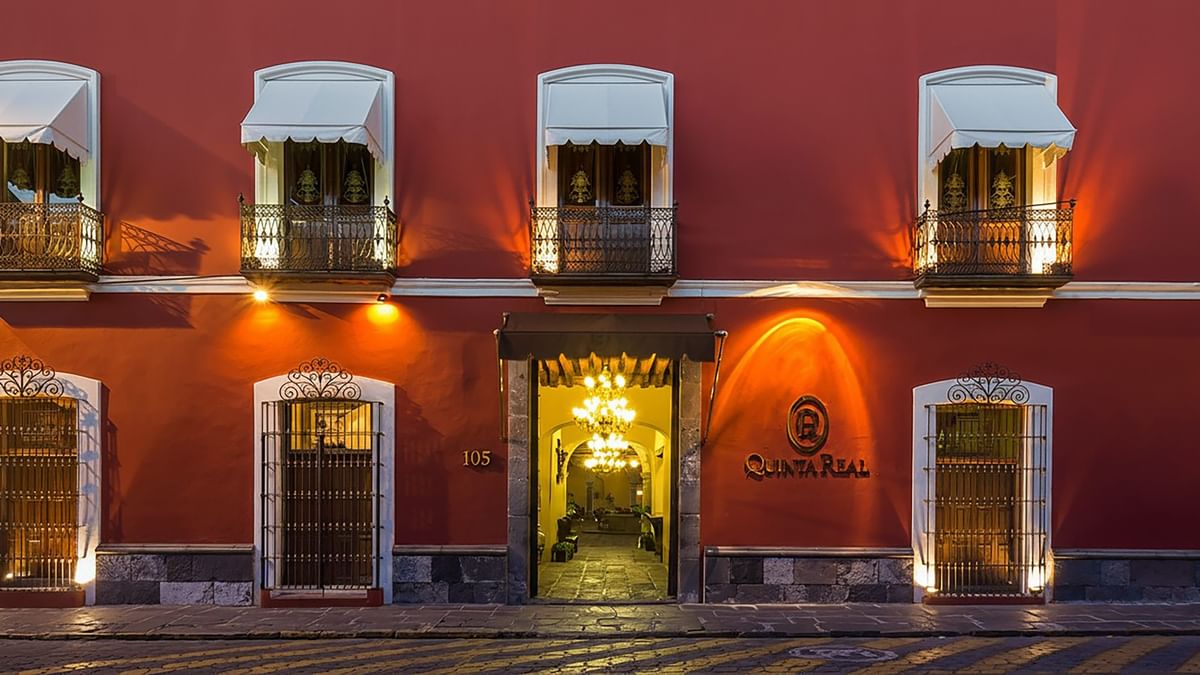
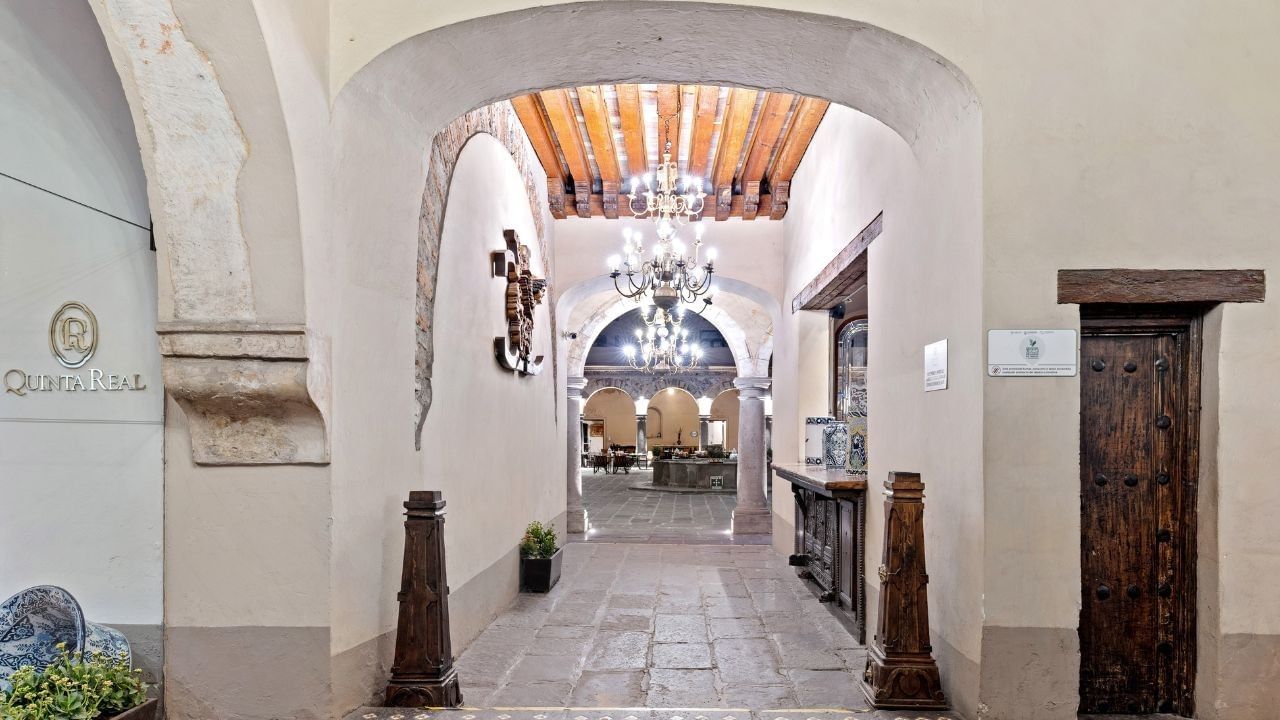
Quinta Real Puebla – perfect for a fully immersive journey into colonial history, set inside the Convent of Limpia Concepción, a 16th-century building younger than Calpan’s Franciscan monastery by nearly 50 years. Guests can expect fine art, artisanal décor, and elegant architectural details reminiscent of New Spain with modern luxury.
Camino Real Puebla Angelópolis – an excellent choice outside the historical center, located in one of the region’s prime business districts. Set inside a private residence community, the hotel offers a unique blend of exclusivity, serenity, and access to luxuries like a nearby golf course. Its sleek, modern design caters to all types of travelers seeking high-end comfort and quality.
Both properties offer 24-hour taxi services and executive car rentals—ideal for exploring Calpan or attending business meetings across Puebla.
Start planning your trip on the official website of Camino Real Hotels.