


Discover the history of Oaxaca’s Zapotec textiles on a journey through artisan communities, traditional looms, natural dyes, and centuries-old craftsmanship.
Zapotec textiles in Oaxaca: A journey through history and tradition
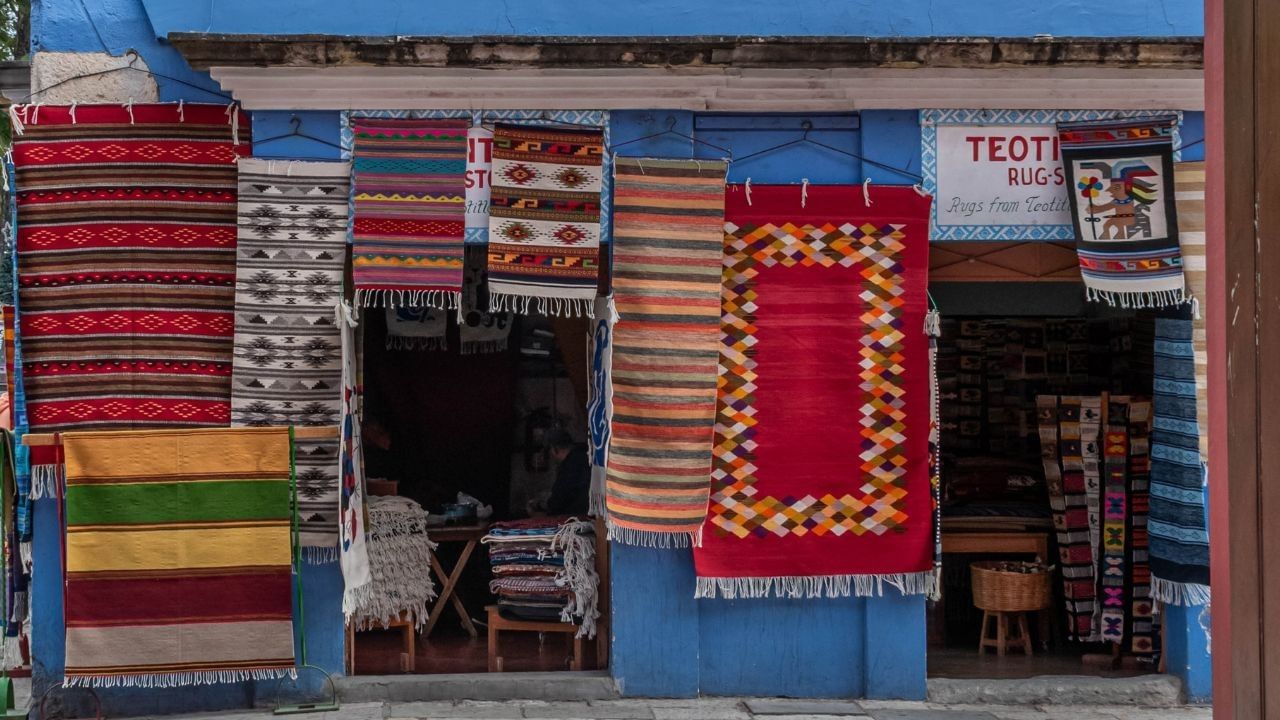 The Zapotec textile route. Photo: Shutterstock
The Zapotec culture, rooted in the Central Valleys of Oaxaca, is considered one of the oldest and most influential civilizations of Mesoamerica. Its archaeological legacy, dating back as far as 500 B.C., reveals advanced knowledge of astronomy, monumental architecture, writing and pottery—as well as the textile arts that have brought worldwide recognition to the region.
Best known for their wool rugs, bags, and garments woven on pedal looms and backstrap looms, Zapotec textiles stand out for their meticulous craftsmanship and the use of 100% natural dyes, including cochineal derived from the prickly pear cactus and indigo. These centuries-old techniques have been carefully preserved and passed down from one generation to the next.
But there is much more to these textiles than their beauty. Every color, symbol, and geometric motif tells a story or expresses a profound connection to the land and the sacred, reflecting the Zapotec worldview. Bringing one of these pieces home means carrying with you a living expression of Oaxaca’s cultural heritage—and a tangible connection to its pre-Hispanic roots.
The Zapotec textile route
This journey is essential not only for travelers interested in discovering Mexico’s history but also for anyone who wants to experience the craftsmanship of Oaxaca’s artisan communities firsthand. Every visit offers a deeper appreciation of their work, while purchasing directly from local workshops provides meaningful support to local artisans.
The Zapotec textile tradition has endured through generations thanks to techniques and processes that continue to be practiced in specific communities throughout Oaxaca’s Central Valleys and Isthmus.
In Teotitlan del Valle, for example, artisans are internationally renowned for their remarkable wool rugs, a tradition preserved through family-run workshops and generations of craftsmanship. In San Pablo Villa de Mitla, textiles draw inspiration from corn, nature, and distinctive geometric patterns.
In the Isthmus of Tehuantepec, known as the homeland of the Tehuana people, the focus shifts to elaborate women’s ceremonial dress, including short huipiles and beautifully hand-embroidered skirts.
Begin your journey at Quinta Real Oaxaca
There is no better place to begin exploring the Zapotec textile route than Quinta Real Oaxaca, a remarkable example of colonial architecture with more than four centuries of history. The property is part of Oaxaca’s historic heritage, within the UNESCO World Heritage-listed Historic Centre since 1987.
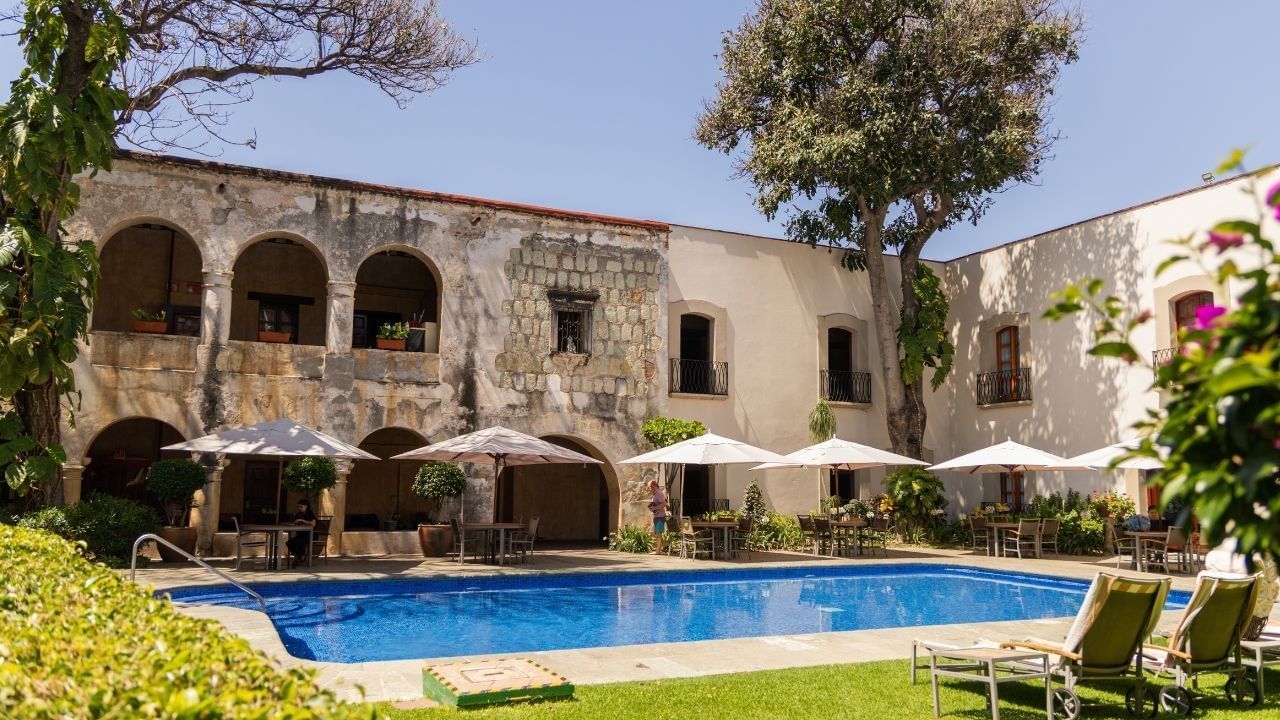 Staying here means immersing yourself in the essence of Oaxaca. Impeccable service and first-class amenities create an inviting setting for rest and relaxation, while its restaurant, El Refectorio, offers an exquisite culinary experience inspired by the region.
Located in the Historic Centre, just steps from the magnificent Santo Domingo de Guzmán Church, renowned museums, and the Ethnobotanical Garden, Quinta Real Oaxaca is an ideal base for beginning your journey and discovering the region’s Zapotec textile traditions.
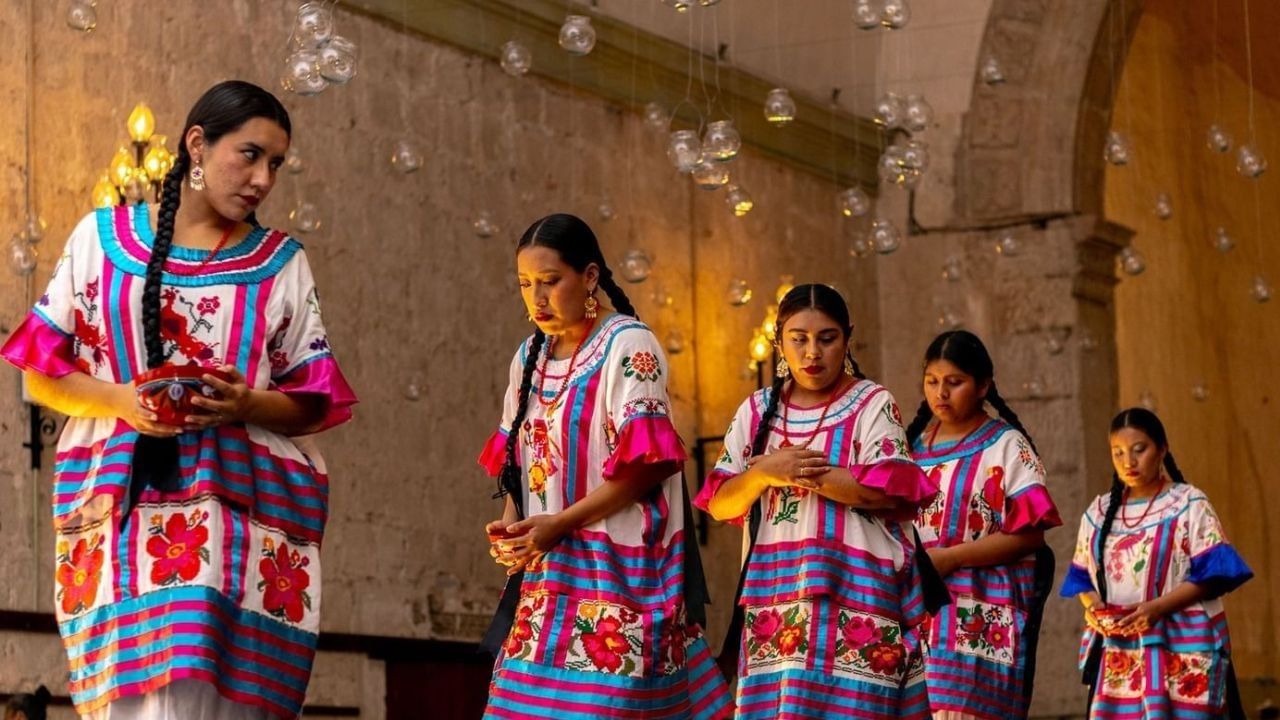 Photo: Quinta Real Oaxaca.
Begin your Zapotec textile journey here
Buying Zapotec textiles in their place of origin is an immersive way to experience Oaxaca’s living heritage. Here are three essential stops to include along the way.
1. Family-Run Workshops in Teotitlan del Valle
Located approximately 45 minutes from Oaxaca City, Teotitlán del Valle is home to workshops specializing in pedal-loom weaving, including rugs, blankets and garments. Many family-run studios offer immersive experiences where visitors can learn about—and even take part in—the weaving process.
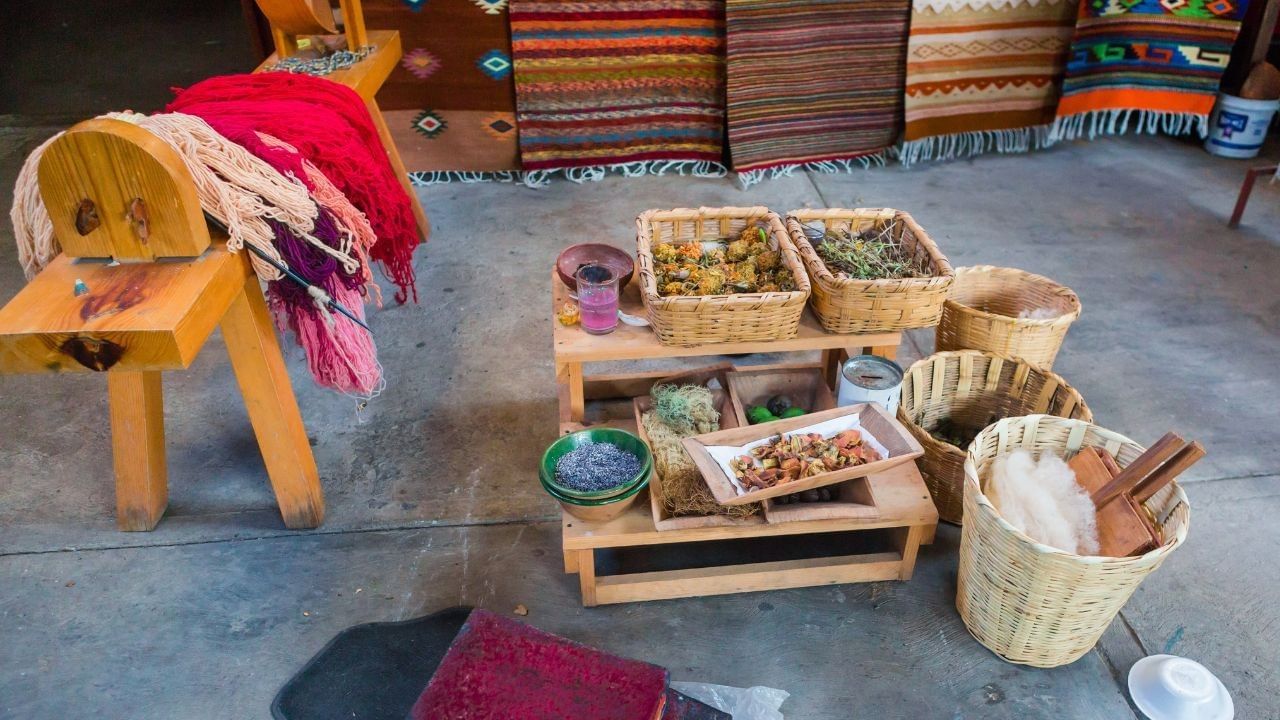 Photo: Shutterstock
2. Santo Tomas Jalieza
Known as the “Capital of the Backstrap Loom" ("Capital del Telar de Cintura"), Santo Tomas Jalieza is celebrated around the world for its beautiful textiles created using this ancestral technique.
Located just 40 minutes from Oaxaca City, the town offers an artisan market, family-run workshops, and the Piedra de la Letra, a pre-Hispanic monolith that adds another layer of history to the experience.
3. San Pablo Villa de Mitla
The third stop on the route offers an immersive experience centered on the creation of unique textile pieces. At local workshops, visitors can explore natural pigments and learn how vivid colors are extracted from elements such as cochineal; try their hand at weaving; and discover from master artisans the rhythm, meaning and symbolism woven into every thread.
When planning your journey, keep in mind that transportation between the three destinations costs approximately MXN $50–$100 by public transport, MXN $600–$1,200 by taxi, or MXN $450–$700 by private car.

Real Inn Celaya

Real Inn Nuevo Laredo

Real Inn Perinorte

Real Inn San Luis Potosi

Real Inn Tijuana

Real Inn Torreon
No Results Found