


Tejuino, the ancestral drink that refreshes Jalisco and Nayarit, carries centuries of history, flavor, and tradition in every glass served.
Mexican drinks with a story: Discovering Tejuino, Jalisco’s ancient corn drink
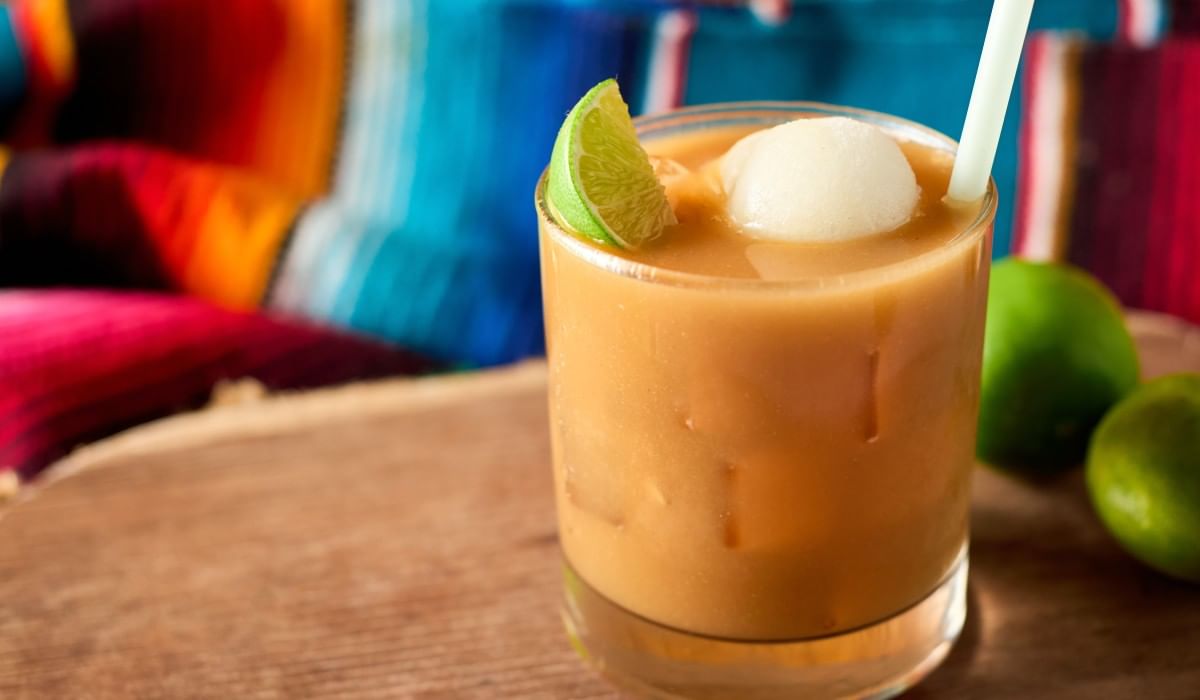 Photo: Shutterstock
Across Mexico’s streets, markets, and plazas lives a rich legacy of ancestral beverages that do far more than quench thirst — they tell the story of the communities that created them. From cacao-based preparations and fermented fruit recipes to drinks crafted from corn, each sip preserves a deep connection to the country’s cultural identity. Among them, tejuino stands out as one of Western Mexico’s most iconic specialties: a humble yet distinctive blend where tradition, simplicity, and flavor converge.
Served ice-cold and often accompanied by lime, salt, and occasionally a scoop of sorbet, tejuino has become an essential stop for anyone exploring Guadalajara and much of Jalisco, Nayarit, Colima, and Michoacán. Its constant presence in public squares and local food stalls has kept the drink firmly rooted in everyday life. Yet behind its refreshing sweetness lies a centuries-old story tied to corn, ancient Mexican civilizations, and a communal ritual that remains just as vibrant today as it was generations ago.
What is tejuino and how is it served?
Tejuino is a fermented corn-based beverage traditionally prepared with piloncillo, lime or lemon juice, salt, and plenty of ice. Its preparation creates a light texture and a flavor profile that balances sweetness, acidity, and refreshing notes, making it especially popular in warm climates. While many consider it simply a traditional street drink, tejuino is technically regarded as a type of corn beer due to the malting and fermentation process the grain undergoes.
The process begins by germinating the corn with water before cooking it to release its natural sugars. After fermenting for 24 to 48 hours, the result is a subtly sweet drink enhanced by piloncillo and partially hydrolyzed starches. Today, it is commonly enjoyed with fresh lime juice, a pinch of salt, and sometimes chile piquín. In many places, it is also topped with a scoop of lime sorbet — a combination that amplifies its cooling character and turns it into a favorite among both locals and visitors.
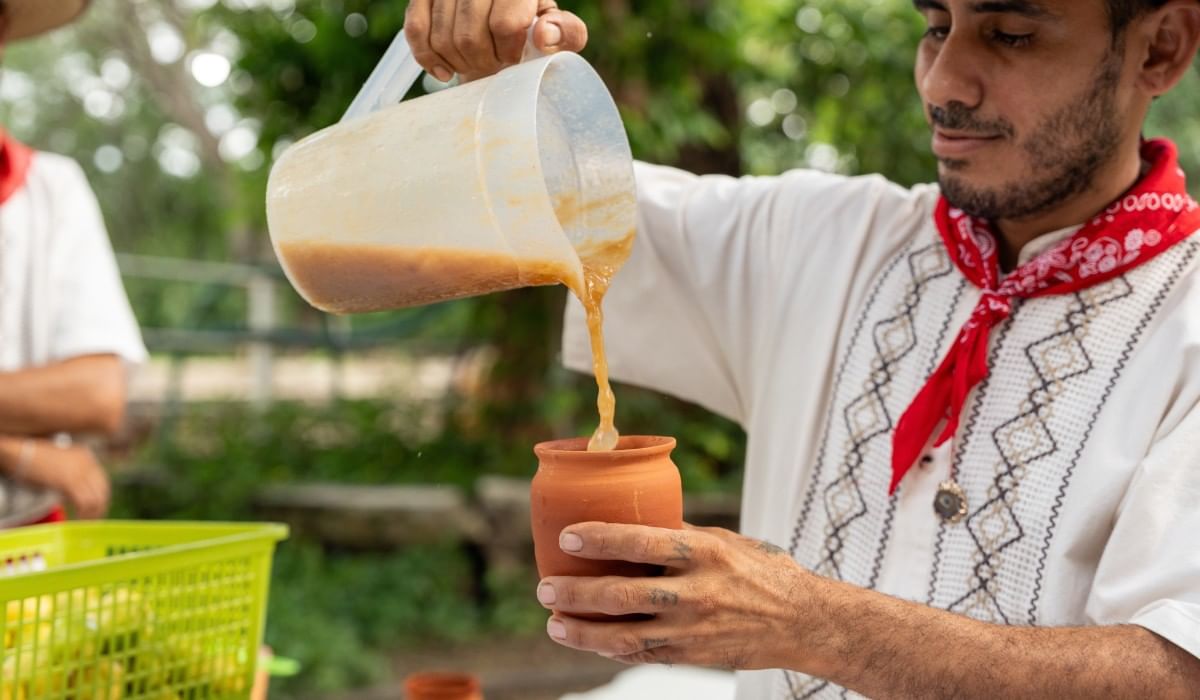 Photo: Shutterstock
The History of Tejuino
The word tejuino comes from the Nahuatl term "tecuin" meaning “heartbeat", a name that immediately reflects its profound pre-Hispanic roots. Indigenous to Mexico, the beverage held particular significance among the ancient cultures of the country’s western regions, especially the Wixárika people, who prepared and consumed it as part of both everyday life and ceremonial traditions.
For these communities, tejuino was far more than a drink to ease the heat. It played an important role in religious celebrations, sporting gatherings, and communal meetings known as tesgüinadas, where political and economic decisions were often made. Shared consumption transformed tejuino into a symbol of collective identity, social connection, and community strength.
Over time, the tradition spread throughout Guadalajara and the state of Jalisco before reaching other parts of the country, including Veracruz and Baja California Sur, while preserving its original essence. Today, tejuino remains one of Mexico’s most celebrated traditional beverages, especially in conversations surrounding the preservation of ancestral corn-based flavors.
 Photo: Camino Real Guadalajara
Camino Real Guadalajara: An ideal stay in the Pearl of the West
For travelers eager to discover Guadalajara’s most representative flavors, staying at Camino Real Guadalajara offers a strategic base for exploring the city and immersing oneself in its culinary traditions. From here, visitors can easily access markets, plazas, and local gathering spots where tejuino continues to be part of everyday life in the Pearl of the West.
Experiencing Guadalajara is not only about admiring its architecture or strolling along its iconic avenues. It is also about stopping at a traditional stand, ordering a chilled glass rimmed with salt, and tasting the blend of fermented corn, piloncillo, and lime that has refreshed generations of locals for decades. In a city where gastronomy is inseparable from the travel experience, tejuino remains one of the essential flavors every visitor should add to their itinerary.

Real Inn Celaya

Real Inn Nuevo Laredo

Real Inn Perinorte

Real Inn San Luis Potosi

Real Inn Tijuana

Real Inn Torreon
No Results Found