

Experience the Spring Equinox 2026 in Mexico. From Teotihuacán to Chichén Itzá and Cholula, ancient sites come alive with ritual, culture, and timeless energy. Here’s where to go—and how to plan your visit.
Equinoccio de Primavera 2026: lugares para recibirlo
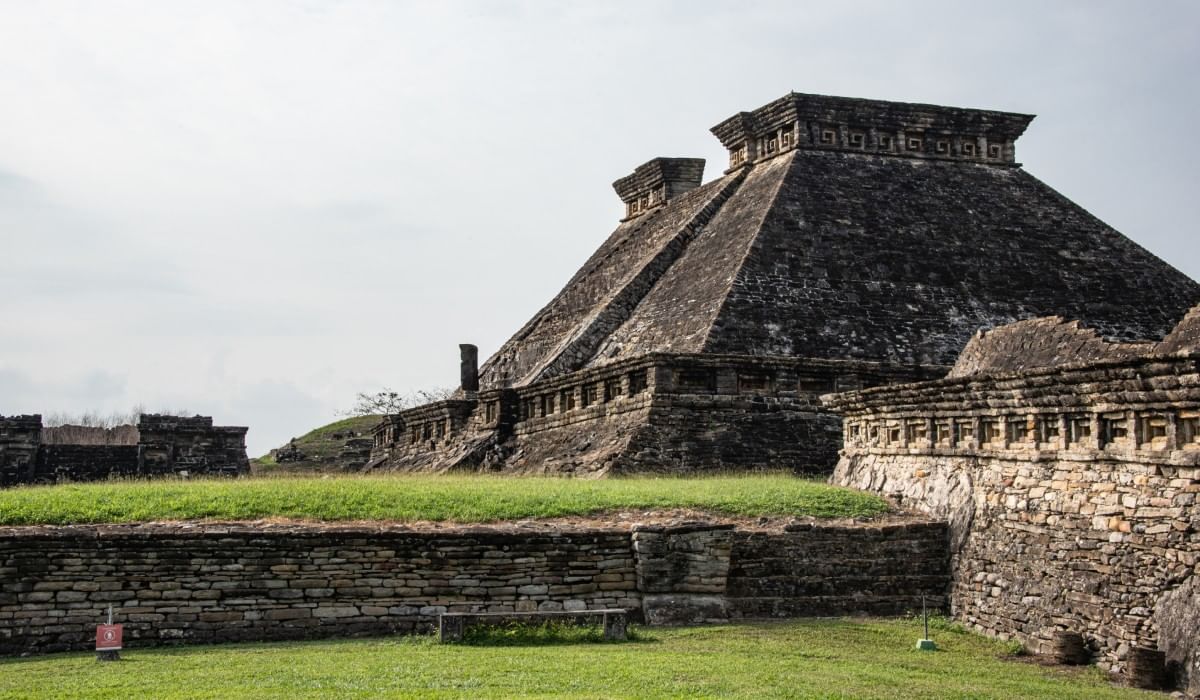 Tajín, Veracruz. Photo: Shutterstock
The arrival of the Spring Equinox in 2026 marks one of the most anticipated astronomical moments in Mexico’s cultural calendar. This year, the phenomenon will take place on March 20 at 8:46 a.m. (Central Time), when the sun aligns directly over the equator, creating near-equal lengths of day and night.
As it does every year, archaeological sites and cultural destinations across the country prepare to welcome thousands of visitors eager to witness the seasonal shift in places deeply connected to the astronomical knowledge of Mesoamerican civilizations. From monumental pyramids to ancient ceremonial centers, Mexico offers a range of settings for those seeking to take part in symbolic rituals, cultural programming, or simply observe the equinox in historically rich surroundings.
Veracruz
The state of Veracruz is home to several archaeological sites where the equinox unfolds amid lush landscapes and ceremonial centers tied to the Totonac culture and other Gulf civilizations. Among the most visited are El Tajin, Cempoala, and Quiahuiztlan—each offering a distinct backdrop for this seasonal celebration.
Located in the municipality of Papantla, El Tajín stands as one of the region’s most significant complexes. Its ceremonial architecture, highlighted by the iconic Pyramid of the Niches, makes it an inspiring place to welcome spring in a cultural context. The site is open daily from 9:00 a.m. to 6:00 p.m.
Another compelling stop is Cempoala, in Ursulo Galvan, once one of the most important Totonac settlements prior to the Spanish arrival. Today, it welcomes visitors daily from 9:00 a.m. to 5:00 p.m.
Meanwhile, Quiahuiztlán—meaning “place of rain”—offers a dramatically different setting, perched on a hillside overlooking the Gulf. It operates Tuesday through Saturday from 10:00 a.m. to 3:30 p.m.
For those planning a visit, early arrival is key. Dress comfortably, bring sun protection, stay hydrated, and respect all preservation guidelines to help safeguard these heritage sites.
For a restorative stay after a day of exploration, Camino Real Veracruz offers a relaxed resort setting with attentive service, a prime location, and everything needed for a seamless and indulgent escape.
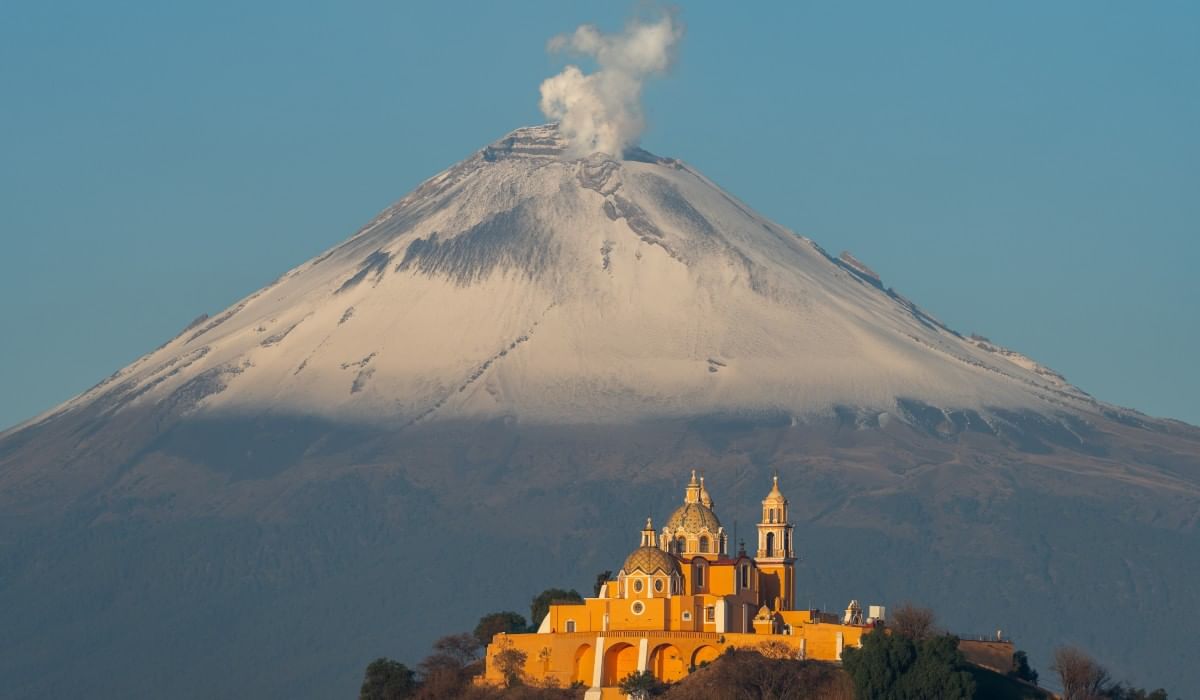 Cholula, Puebla. Photo: Shutterstock
Puebla
In Puebla, the Cholula Archaeological Zone becomes one of the most vibrant gathering points for the equinox. Home to one of the largest pyramids by volume in the world, the site draws visitors each year for its symbolic ceremonies and cultural programming marking the arrival of spring.
For 2026, a full day of activities is scheduled for March 21, including pre-Hispanic ceremonies, historical talks, and live music across the complex. Among the highlights is the Ritual to Quetzalcoatl, a symbolic performance inspired by ancestral traditions.
Events will take place across key venues such as the Patio de los Altares, Parque Soria-Xelhua, and the Intermunicipal Park.
Visitors are encouraged to wear light or white clothing, bring water and sunscreen, and allow extra time for travel due to high attendance.
After a day immersed in history and culture, unwind at Camino Real Puebla Angelopolis. Known for its elegant design, pool, gym, and privileged location in one of the city’s most dynamic districts, it offers a refined retreat with effortless comfort.
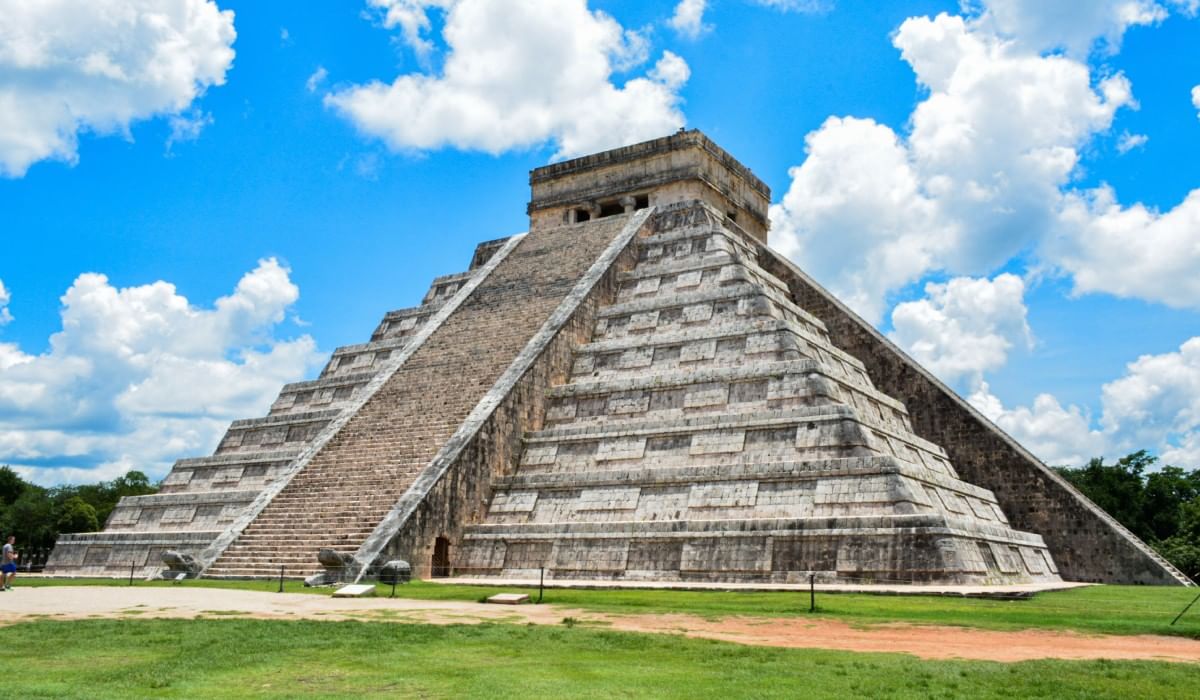 Chichén Itzá, Mérida. Photo: Shutterstock
Merida
In Yucatán, the equinox finds its most iconic stage at Chichen Itza, where thousands gather each year to witness the famed descent of Kukulcan—a mesmerizing play of light and shadow along the pyramid’s staircase.
According to cultural authorities, the phenomenon is best observed between 3:00 p.m. and 5:00 p.m., when the sun casts a sequence of triangular shadows that create the illusion of a serpent gliding down the northern balustrade.
To accommodate the influx of visitors, Mexico’s National Institute of Anthropology and History will implement a special schedule from March 20 to 22. On March 20, the site opens at 9:00 a.m., while on March 21 and 22, access begins at 8:00 a.m.
Visitors should note that drones, tripods, and professional equipment are not permitted without prior authorization, and restricted areas must be respected at all times.
For those extending their stay in the Yucatán capital, Camino Real Merida offers a serene base with thoughtful amenities—pool, gym, complimentary Wi-Fi—and a relaxed ambiance that reflects the charm of southeastern Mexico.
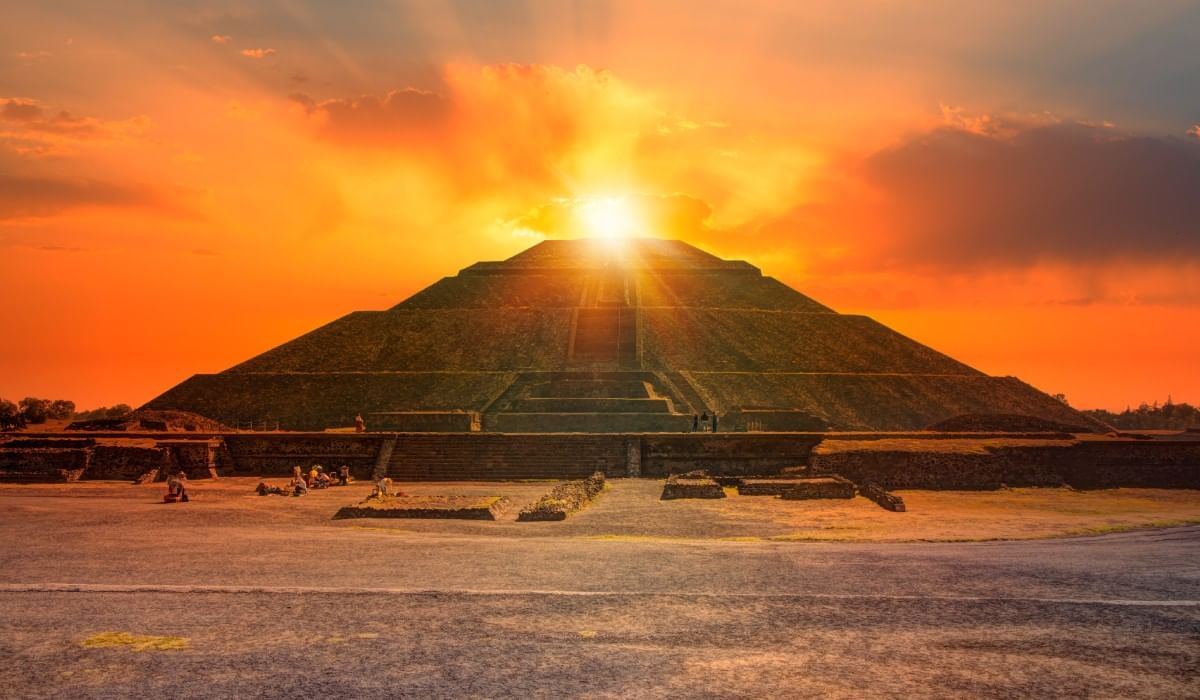 Teotihuacán. Photo: Shutterstock
State of Mexico
Just outside Mexico City, Teotihuacan remains one of the most visited destinations to mark the Spring Equinox. Each year, thousands walk along the Avenue of the Dead, gathering around the Pyramids of the Sun and Moon to witness the seasonal transition.
The site maintains its regular operating hours during these dates. Gates open at 8:00 a.m. and close at 5:00 p.m., although access may be regulated due to the high volume of visitors at the main entrances.
Authorities recommend arriving early, wearing comfortable clothing, staying hydrated, and following all conservation guidelines, as certain structures may be temporarily restricted to protect the archaeological heritage.
If your journey takes you north of the Valley of Mexico, Real Inn Perinorte offers a contemporary stay with comfortable rooms, a gym, on-site dining, and convenient access to shopping centers and nearby attractions—ideal for both leisure and business travelers.
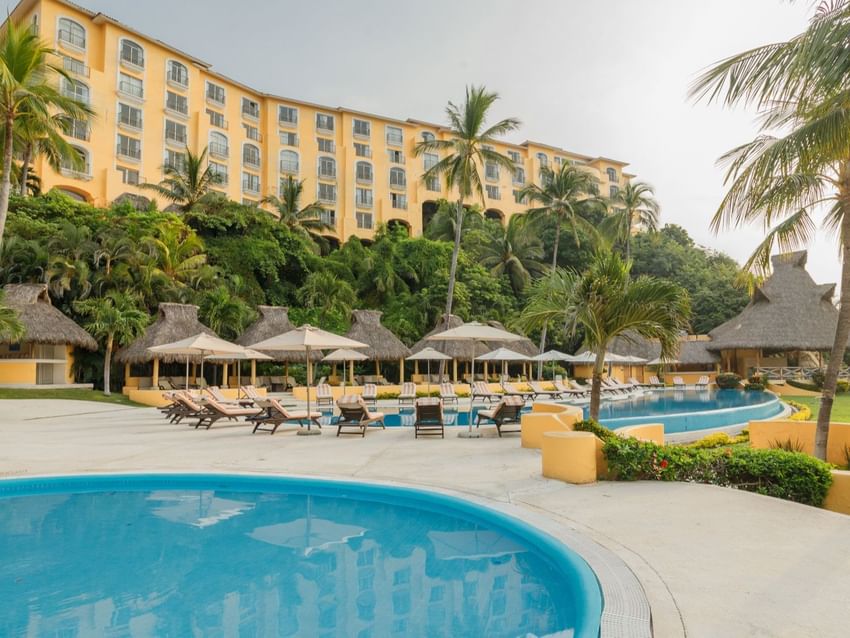
Quinta Real Acapulco
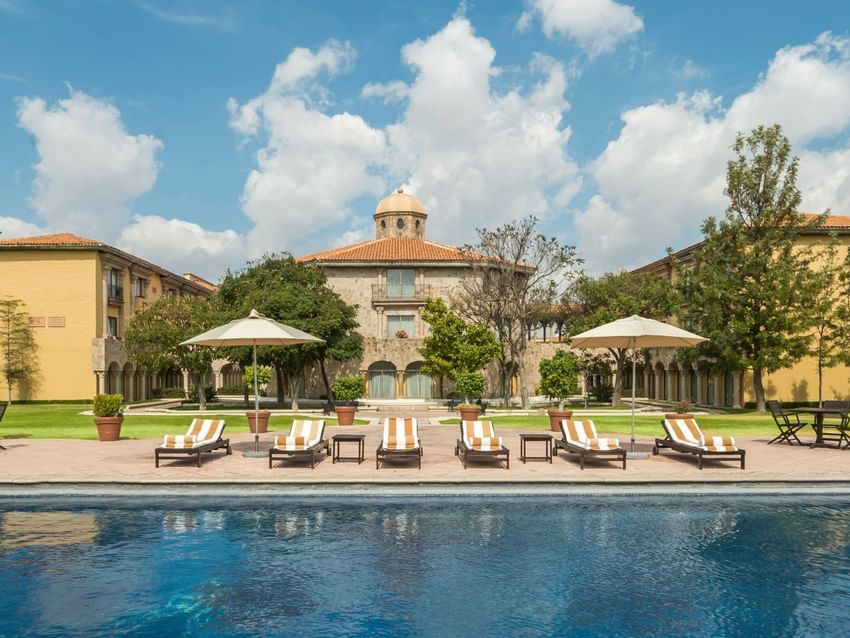
Quinta Real Aguascalientes
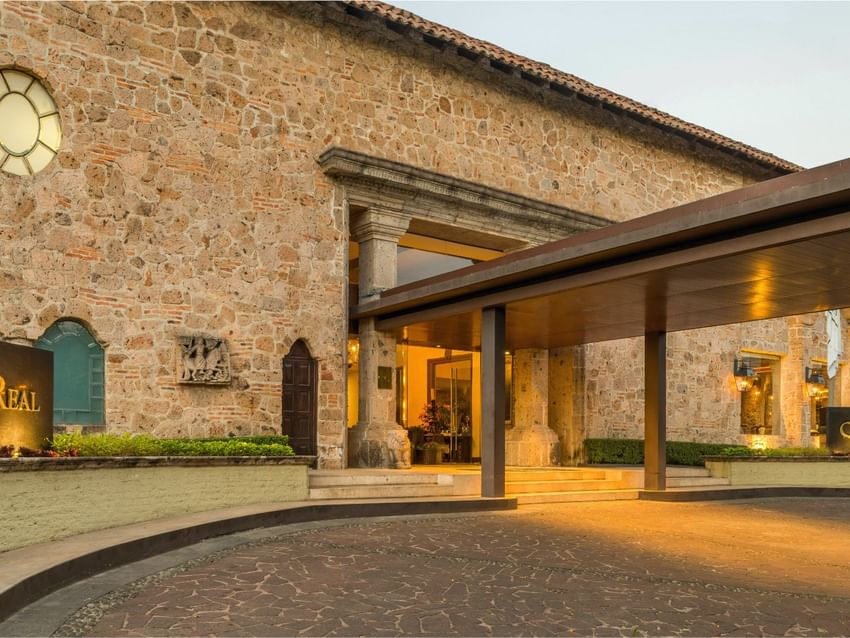
Quinta Real Guadalajara
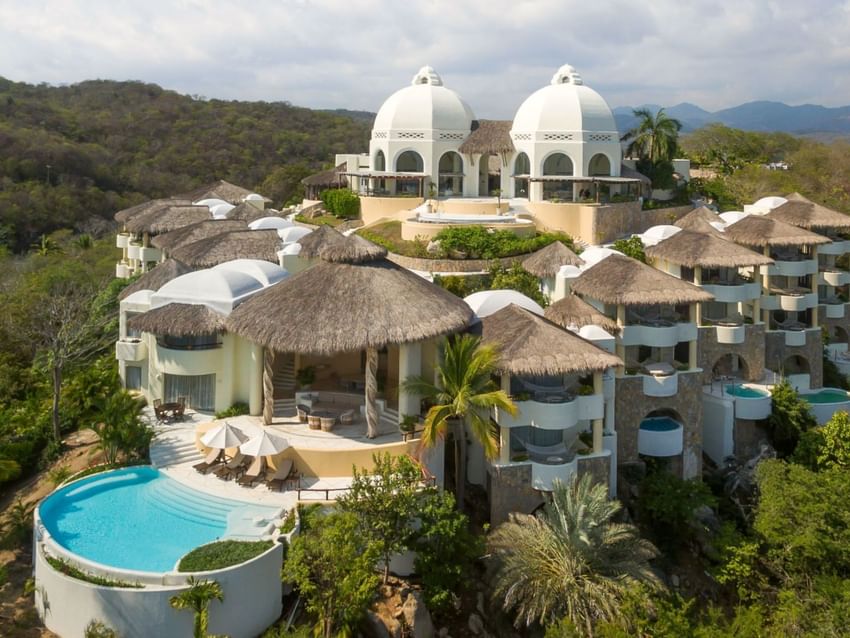
Quinta Real Huatulco
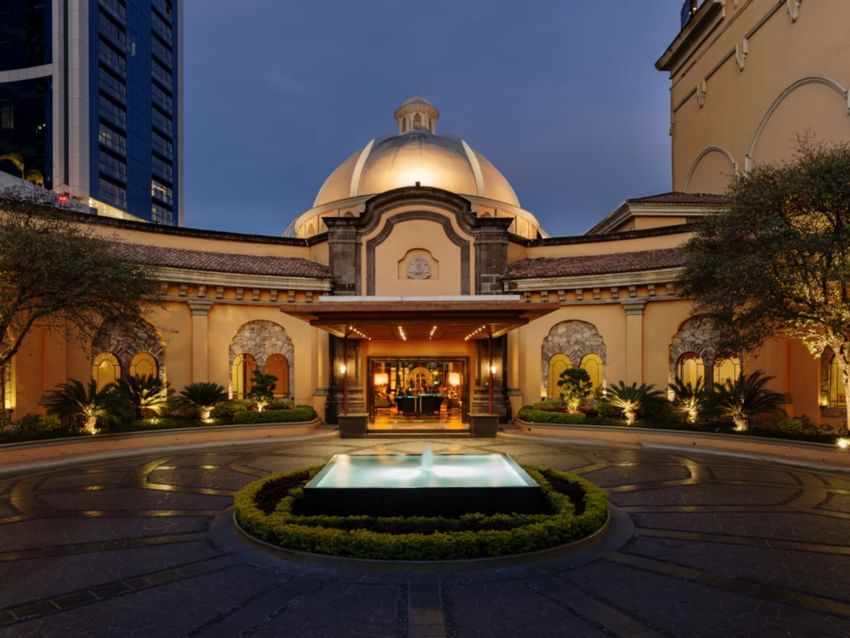
Quinta Real Monterrey
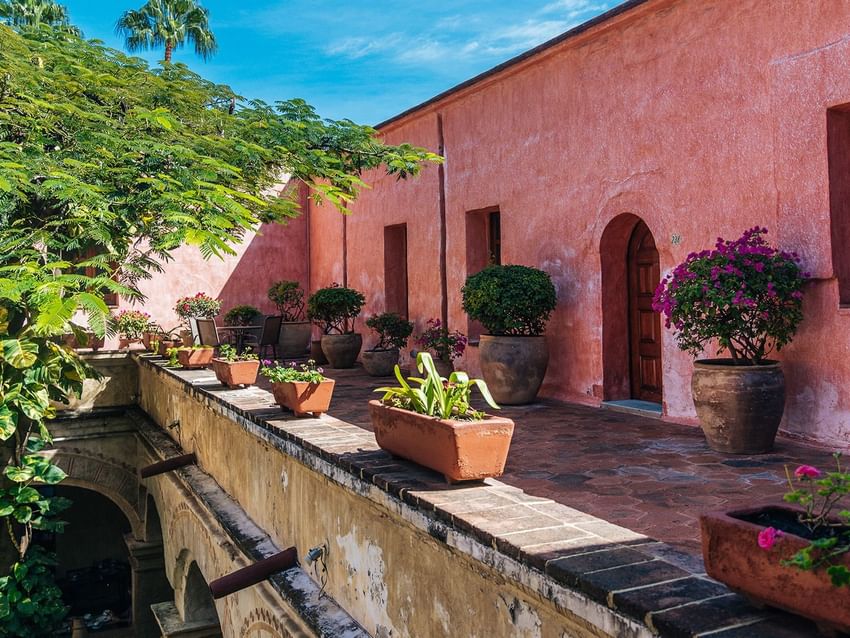
Quinta Real Oaxaca
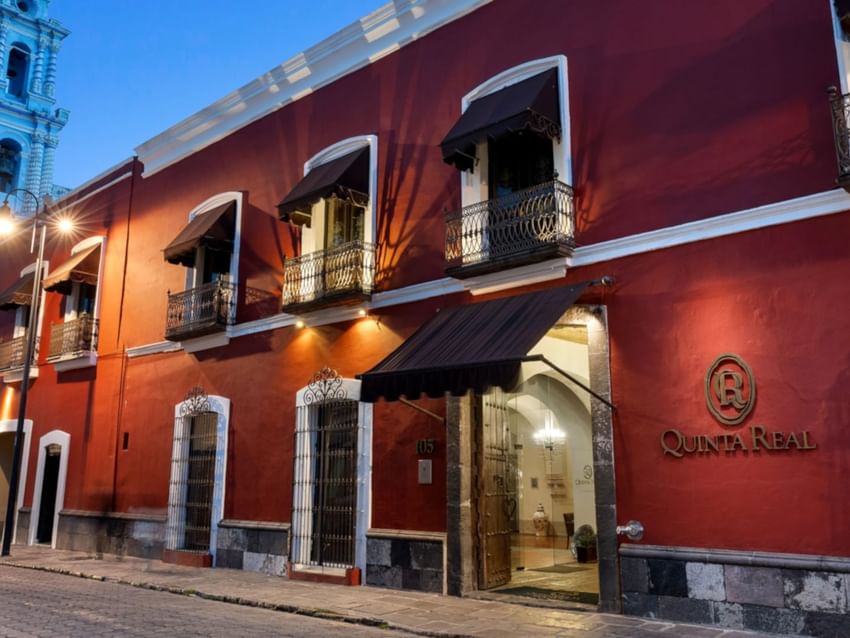
Quinta Real Puebla
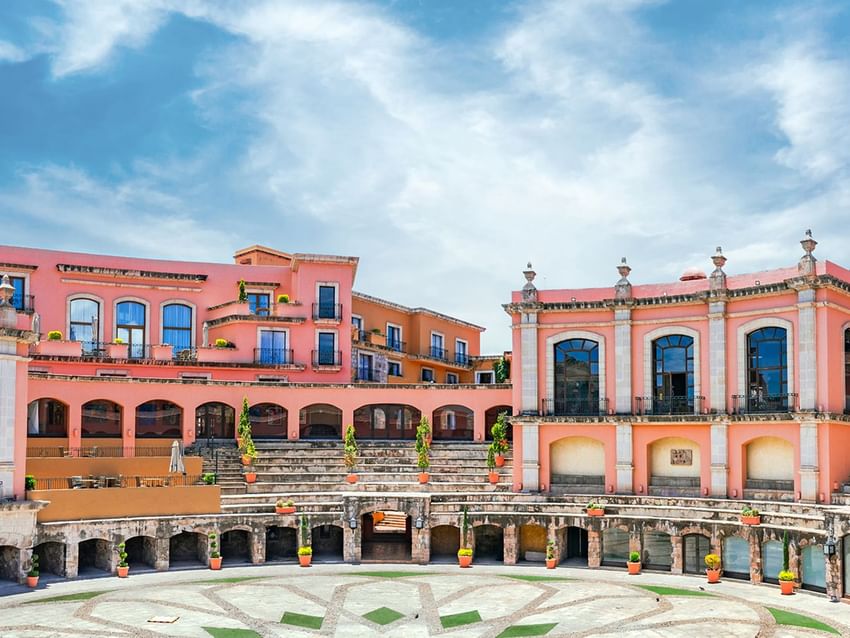
Quinta Real Zacatecas
No Results Found