

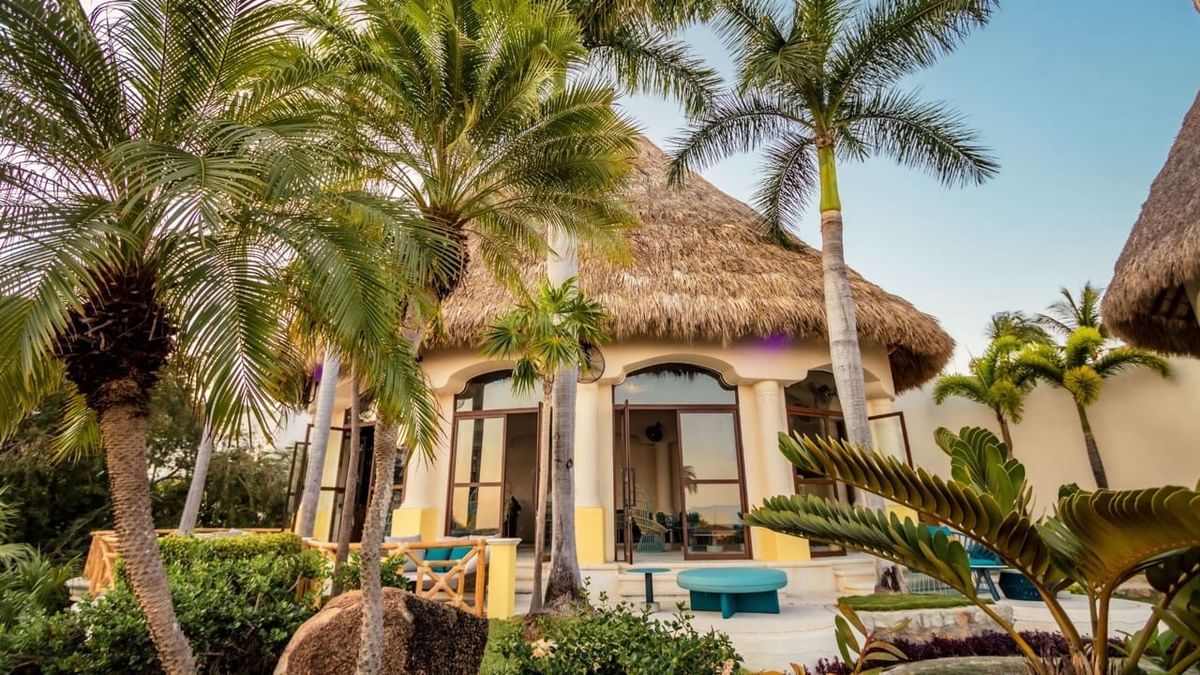

Explore the towns that make up this magical route and set out on an unforgettable journey.
Discover Oaxaca’s Magical Handicrafts Route

Photo: Shutterstock
Oaxaca is a destination blessed with breathtaking natural beauty, as well as immense cultural and ethnic richness that captivates everyone who visits.
The state is especially renowned for its handicrafts, notable for the sheer variety of materials and techniques used in their creation.
Whether made of clay, wood, metal, cardboard, bone, feathers, reed, palm, paper, textiles, tin, or leather, Oaxacan artisans craft both utilitarian and decorative pieces that showcase extraordinary creativity.
But since Oaxaca is such a vast state, how can you possibly see all that its artisans produce? The answer lies in the Magical Handicrafts Route, which is made up of nine towns located relatively close to the city of Oaxaca.
Which towns make up Oaxaca’s Magical Handicrafts Route?
Santa María Atzompa
Here you’ll discover the famous glazed green pottery, created by skilled local potters.
San Bartolo Coyotepec
You’ve probably seen black clay pieces before—these are crafted here by artisans who create beautiful and delicate designs, ranging from pitchers, vases, and frames to cups, plates, napkin holders, and ornamental objects.
San Martín Tilcajete
This Zapotec community is the birthplace of the world-famous alebrijes—fantastical creatures that gained international fame thanks to Disney’s Coco. Initially made from papier-mâché, local creativity soon gave way to copal wood carving, which remains the primary material today.
Santo Tomás Jalieza
Color and texture come alive in this community, where cotton textiles are woven on traditional backstrap looms. Local women artisans create dresses and blouses, but also wallets, belts, backpacks, purses, bracelets, and other accessories.
San Antonino Castillo Velasco
Here, embroidery reigns supreme. Dresses and blouses are stitched by hand with multicolored silk and cotton threads. Their embroidery techniques are so intricate that one of them is called “hazme si puedes” (“make me if you can”), highlighting the skill, patience, and creativity required.
Ocotlán de Morelos
This town is celebrated for both its ceramics and its cutlery. You’ll find colorful polychrome clay pieces, such as figures of traditionally dressed women or “trees of life,” as well as decorative and utilitarian objects. Ocotlán’s cutlery is museum-worthy, with artisans crafting daggers, letter openers, sabers, swords, knives, machetes, and even katanas.
San Antonio Arrazola
Another community known for multicolored wooden alebrijes, carved not only from copal but also from cedar, pine, pibe, and willow. While men typically handle the carving, women and children painstakingly paint and decorate the figures. This is where imagination, artistry, and magic bring these fantastic creatures to life.
Cuilápam de Guerrero
Here, artisans specialize in headdresses and traditional attire. The most iconic are the feathered headdresses used in the Danza de la Pluma, a tradition of Oaxaca’s Central Valleys. They also create elaborate dancer costumes, the most intricate being silk or velvet blouses adorned with trims, golden fringes, and religious motifs with pre-Hispanic designs.
Zaachila
This town is famous for its gastronomy, which is considered an art form in itself. Visitors are delighted by the flavors and aromas of its bustling market, where you can savor everything from goat or lamb barbacoa to pre-Hispanic chocolate-based drinks. Don’t miss the traditional finitos (sweet breads) or the delicious ice creams in a variety of flavors. Truly spectacular.
Good to know
All of the communities along the Magical Handicrafts Route are less than an hour’s drive from Oaxaca City. However, during high season, travel times may be longer due to increased tourism.
Recommendations
- Respect the guidelines provided by artisans in their workshops. Always ask before taking photos or handling crafts.
- Carry cash, as many workshops do not accept credit or debit cards.
- Plan for 2–3 hours in each town to explore, shop, and eat.
- For an unforgettable experience, stay in Oaxaca City and from there map out the towns you wish to visit. A great option is Quinta Real Oaxaca, which can also provide guidance and information about this magical route.
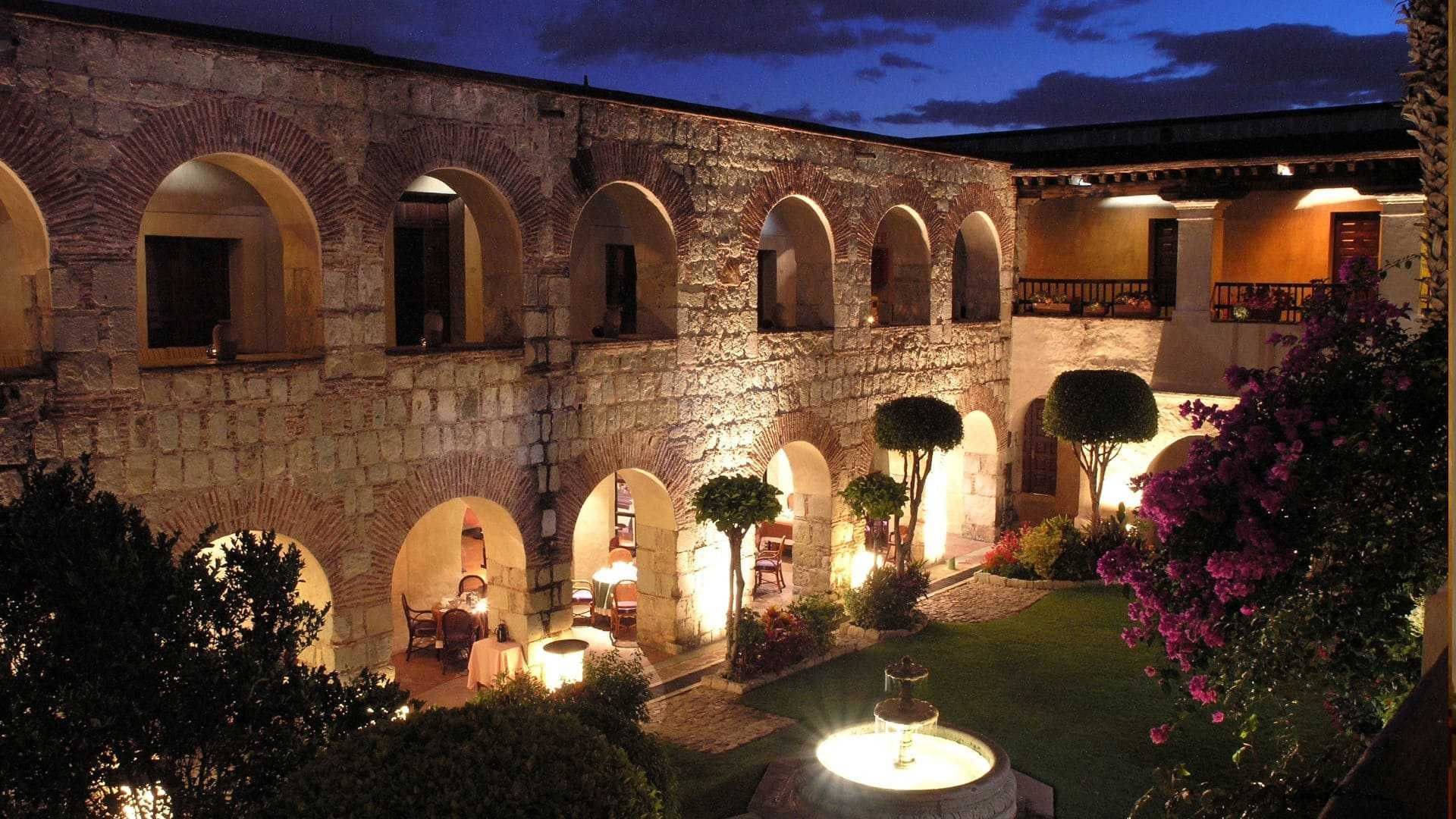

Quinta Real Acapulco

Quinta Real Aguascalientes
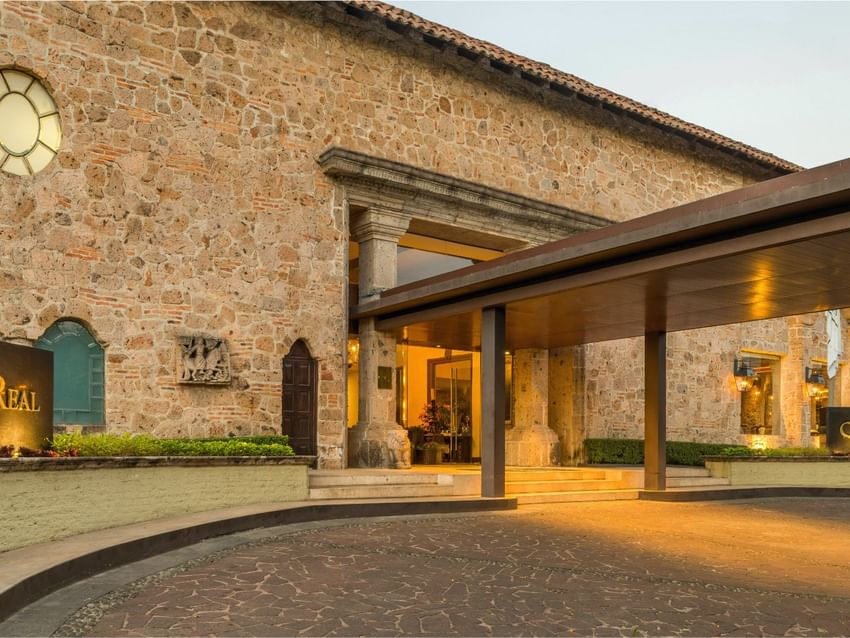
Quinta Real Guadalajara

Quinta Real Huatulco

Quinta Real Monterrey
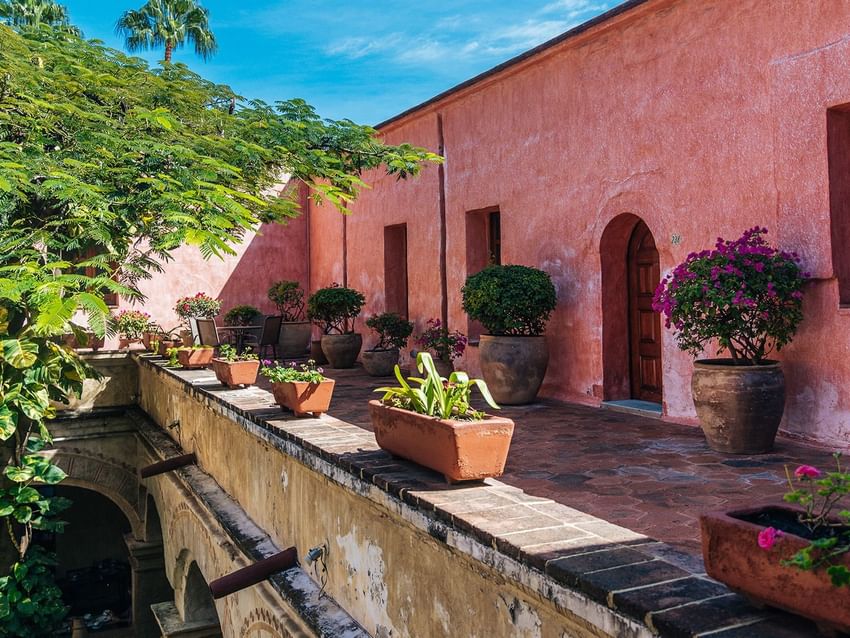
Quinta Real Oaxaca
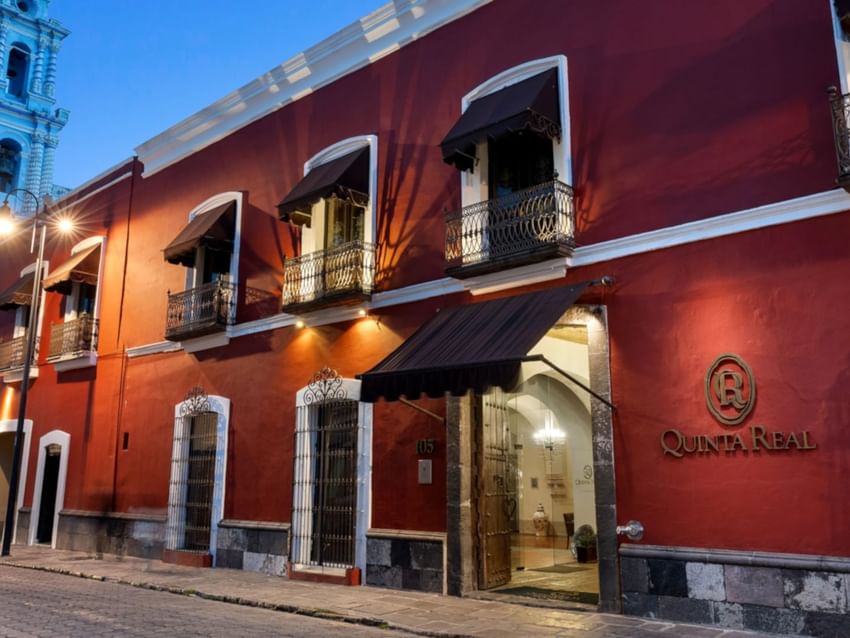
Quinta Real Puebla
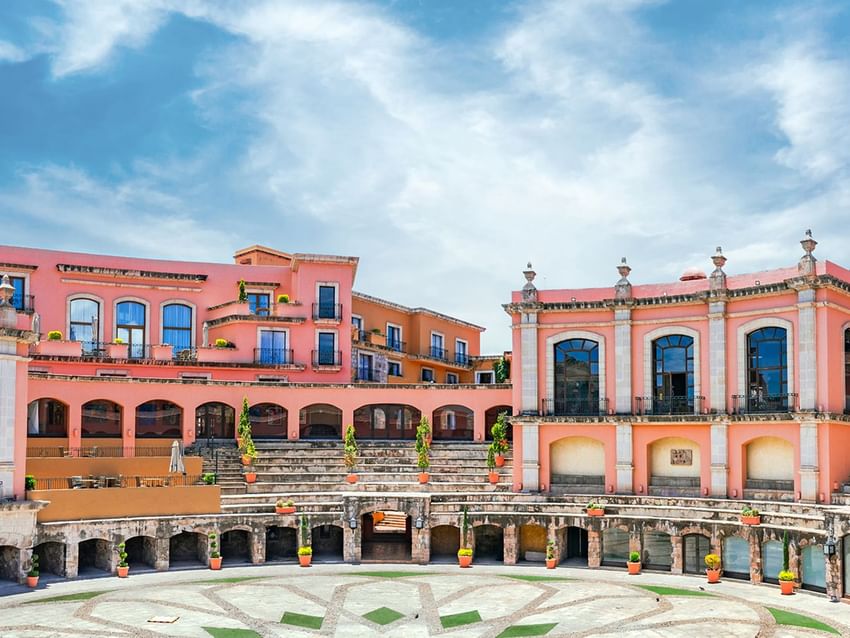
Quinta Real Zacatecas
No Results Found