
In Cholula, discover the Sanctuary of Our Lady of Remedies—a colonial treasure built atop pre-Hispanic remains. Here’s everything you need to know for a complete visit.
Nuestra Señora de los Remedios Sanctuary: A church above the Great Pyramid of Cholula, Mexico
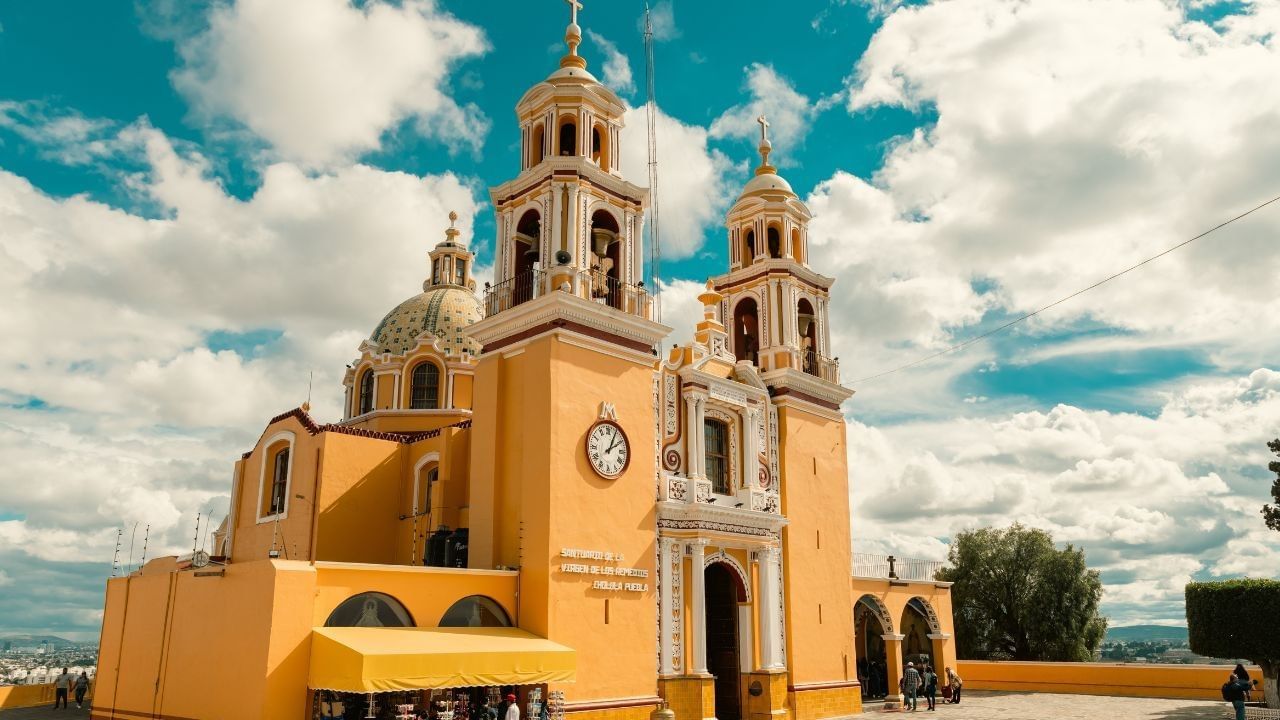 Photo: Shutterstock
Puebla is home to countless places worth exploring, whether for their history or simply to enjoy a well-deserved getaway. One of these remarkable sites is the Santuario de Nuestra Señora de los Remedios (Sanctuary of Our Lady of Remedies), a place that will undoubtedly surprise you once you experience it in person.
As one of the states closest to Mexico City, Puebla is an ideal destination for a weekend escape—offering far more than you might expect at first glance. Beyond the colonial landmarks lining the city’s historic center, its surrounding municipalities hold fascinating secrets that are only beginning to be uncovered.
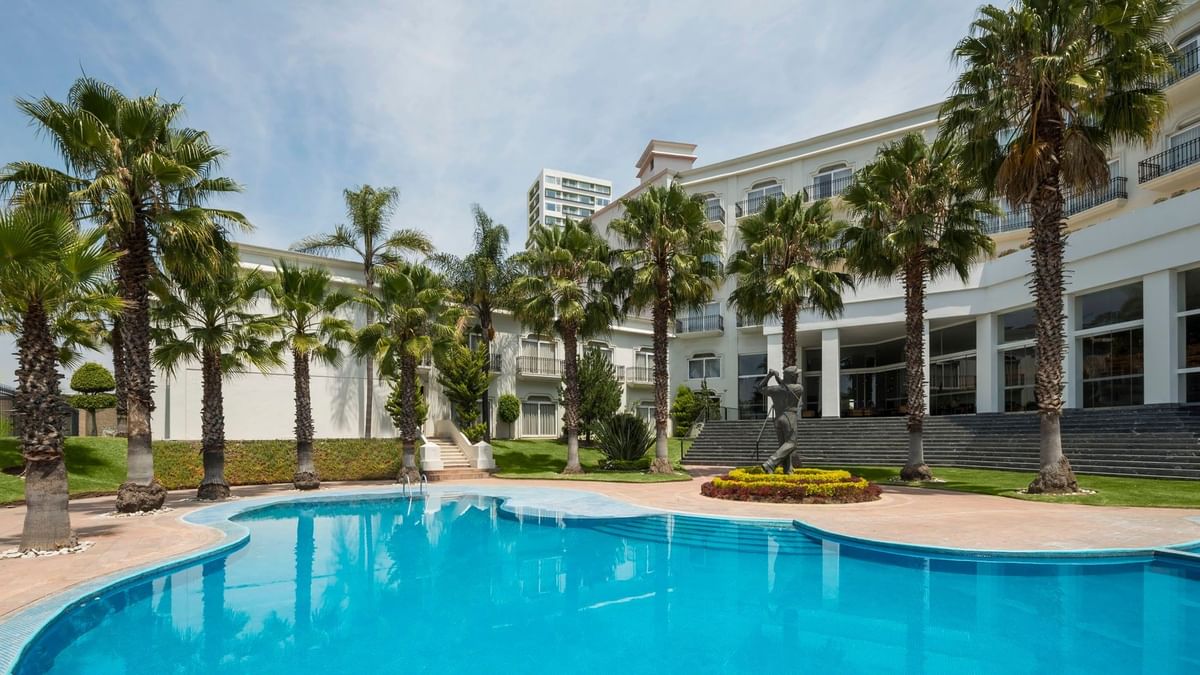
To fully experience the grandeur of the Sanctuary of Our Lady of Remedies, we recommend staying at Camino Real Puebla Angelopolis, located less than an hour from the base of this iconic religious site. Whether you’re traveling for business or with family, the hotel offers all the services you need to stay comfortable and on track.
From your room, you’ll enjoy sweeping views of the city—and if you’re lucky, you may even catch sight of the dramatic geological formations that surround Puebla, including nearby volcanoes and the Sierra Madre ranges, a landscape deeply tied to the region’s historical significance.
To reach the Sanctuary of Our Lady of Remedies, simply drive toward Cholula, the municipality closest to Puebla city and home to this extraordinary Catholic temple.
Why is this church so significant?
As you walk through the main streets of Cholula, one landmark immediately stands out: a church perched atop what appears to be a hill. What many visitors don’t realize is that this “hill” is actually the largest pyramid base in all of Latin America—known as the Great Pyramid of Cholula.
Construction of the sanctuary began in 1594 in honor of the Virgin, who, according to tradition, appeared to the Spanish during La Noche Triste. However, the building process took more than 250 years to complete and narrowly avoided destruction during an earthquake in 1864.
The second half of the 19th century proved crucial for the area. In 1881, Swiss archaeologist Adolph Bandelier took an interest in studying hidden settlements, helping to uncover vital information about the pyramid’s structure. Earlier explorations by figures such as Alexander von Humboldt, along with Bandelier’s work, later inspired archaeologists Ignacio Marquina and Eduardo Noguera to further investigate the pre-Hispanic remains.
Today, part of the archaeological site is open to the public, offering a glimpse into the pyramid’s ancient past. The sections that were not excavated now feature ramps and stairways that lead visitors to the Sanctuary of Our Lady of Remedies—a site recognized as part of Mexico’s cultural heritage.
Access is simple: climb the grand staircase that takes you to the top of the pyramid, where the Sanctuary of Our Lady of Remedies welcomes visitors daily from 7:00 a.m. to 7:00 p.m. Admission is free, and the panoramic views from the summit are truly spectacular.
If you’d like to explore the interior tunnels of the pyramid, you can do so between 10:00 a.m. and 5:00 p.m. for an additional fee. After visiting this remarkable religious site, take a stroll through the surrounding streets, where you’ll find souvenirs dedicated to the Virgin of Remedies. Just steps away lie Cholula’s main square and its vibrant handicrafts market.
For a deeper dive into Cholula’s history, hop aboard the local tram (available at an extra cost), which takes you through the town while a guide shares stories and insights about this fascinating destination.