

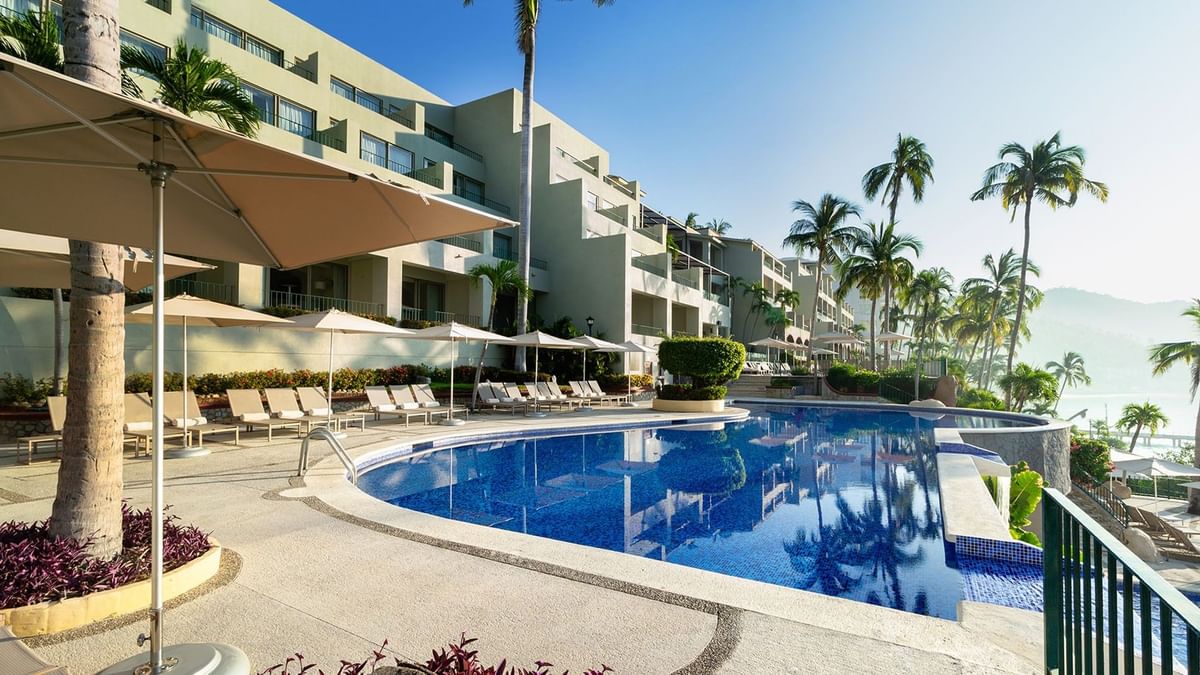
Museums, architecture, history, and culture come together to make Mexico City an extraordinary destination for unforgettable experiences.
10 Iconic places to discover in Mexico City
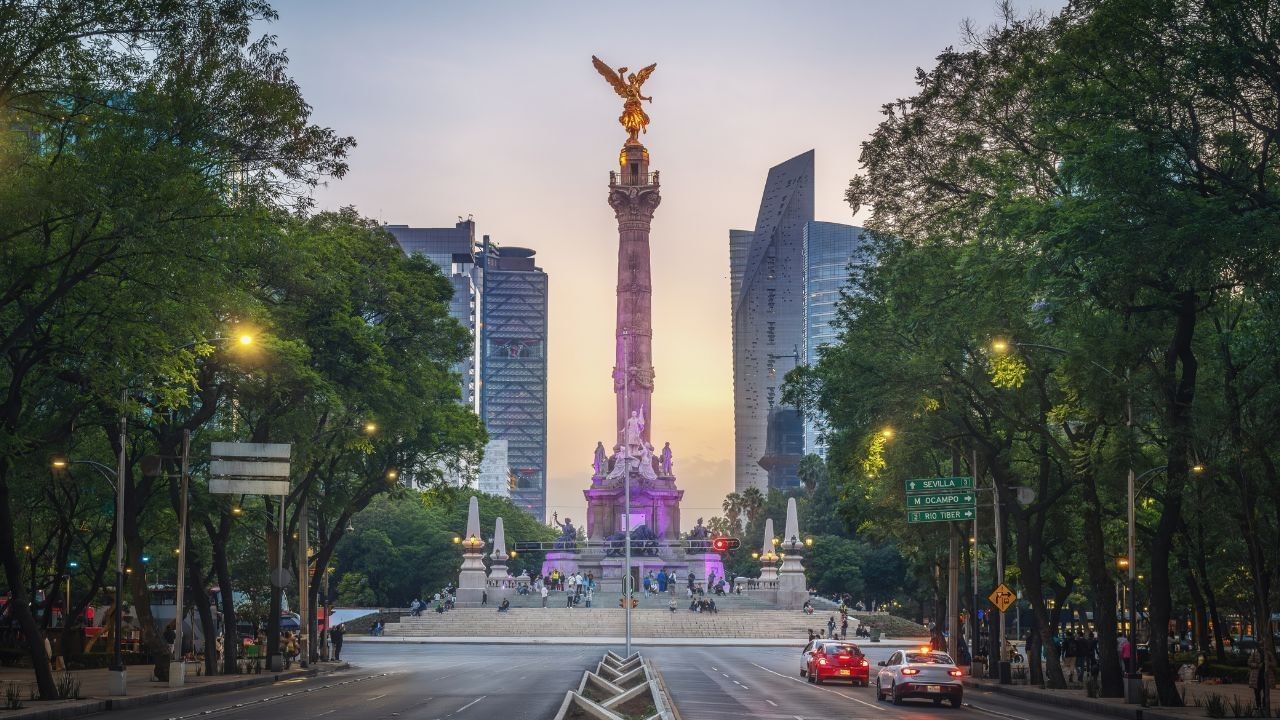 Photo: Shutterstock
Mexico City has a remarkable way of surprising even those who think they know it by heart. Walk just a few blocks and you may stumble upon historic palaces, monumental museums, futuristic libraries, and cultural spaces that seem to belong to another era. Mexico’s capital is not only a destination for exceptional cuisine, concerts, and nightlife; it is also a city made for those who love getting lost among stories, art, architecture, and places steeped in character.
Planning a trip to Mexico City means opening the door to seemingly endless possibilities. There are places where the pre-Hispanic past remains tangible, buildings that have become cultural icons, and spaces that preserve the artistic legacy of some of Mexico’s most influential figures. From cinemas with decades of history to institutions housing some of the country’s most significant treasures, the city invites you to explore at your own pace. Here are ten essential places to discover and experience what makes Mexico City so captivating.
1. Biblioteca Vasconcelos: A futuristic temple of books
Stepping into Biblioteca Vasconcelos is to encounter one of Mexico City’s most striking architectural landmarks. Designed by Alberto Kalach and inaugurated in 2007, the library is defined by its immense suspended bookshelves and elevated walkways, creating an unmistakably futuristic atmosphere. Inside, soaring ceilings and the interplay of natural light with steel structures give the space a monumental quality.
More than a place dedicated to reading, the library is an architectural experience in its own right—a place to wander, admire its design, and escape the city’s relentless pace. Its surrounding gardens add another layer to the experience, transforming a visit into a peaceful and visually compelling urban retreat.
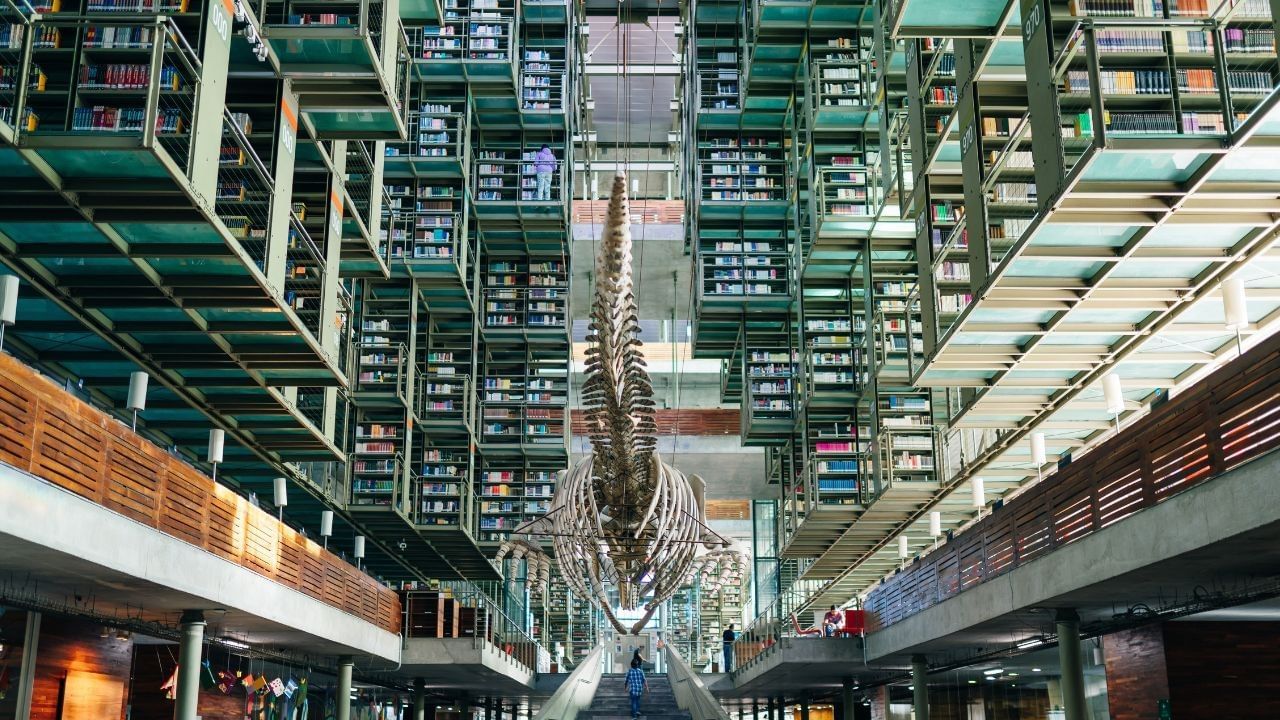 Photo: Shutterstock
2. Casa Estudio Luis Barragan: An architectural masterpiece
Tucked away on a quiet residential street, Casa Estudio Luis Barragán is one of Mexico City’s most significant architectural treasures. Its understated façade gives little indication of the artistic vision that unfolds inside—the work of the Mexican architect who transformed the language of modern architecture in the country.
Built in 1948 and recognized by UNESCO as a World Heritage Site, the residence preserves original furniture, objects, and interiors that reveal Barragán’s extraordinary aesthetic sensibility. Color, natural light, and the carefully considered arrangement of each room turn the visit into an intimate and contemplative experience.
3. Chapultepec Castle: History with a view
Perched atop Chapultepec Hill, Chapultepec Castle is one of Mexico City’s most iconic landmarks. Its history spans some of the country’s most defining chapters, from the imperial era to its transformation into the National Museum of History.
The castle encompasses historic rooms, murals, gardens, and terraces overlooking the city. It was once home to figures such as Maximilian and Carlota and later served as the presidential residence for several decades. Allow several hours to explore its rooms and collections and fully appreciate the significance of this extraordinary site.
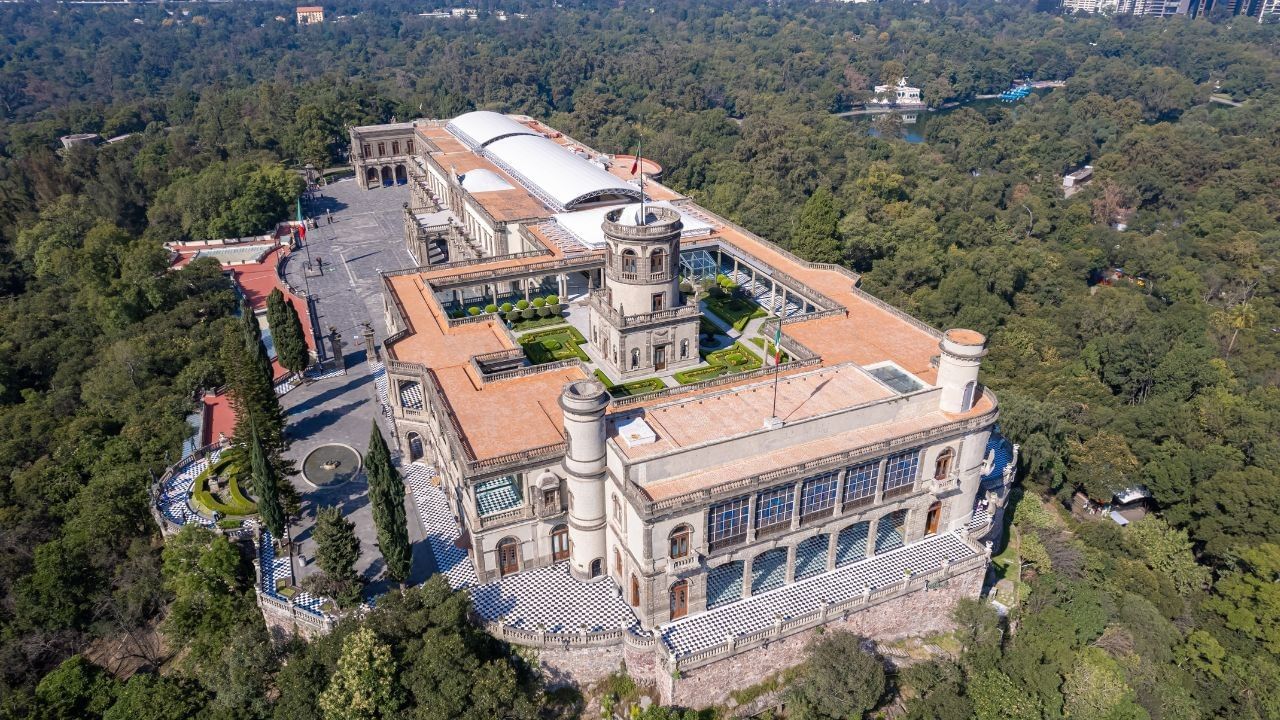 Photo: Shutterstock
4. Carcamo de Dolores: Where art meets water
Cárcamo de Dolores houses one of Diego Rivera’s most fascinating works. For decades, the site played an important role in Mexico City’s water infrastructure before Rivera transformed it in 1951 with his monumental mural Water, Origin of Life.
Located within Chapultepec, the site brings together hydraulic history, art, and architecture in a singular setting. Outside, the striking Tláloc Fountain forms part of the experience, evoking the ancient relationship between Mexico City and water.
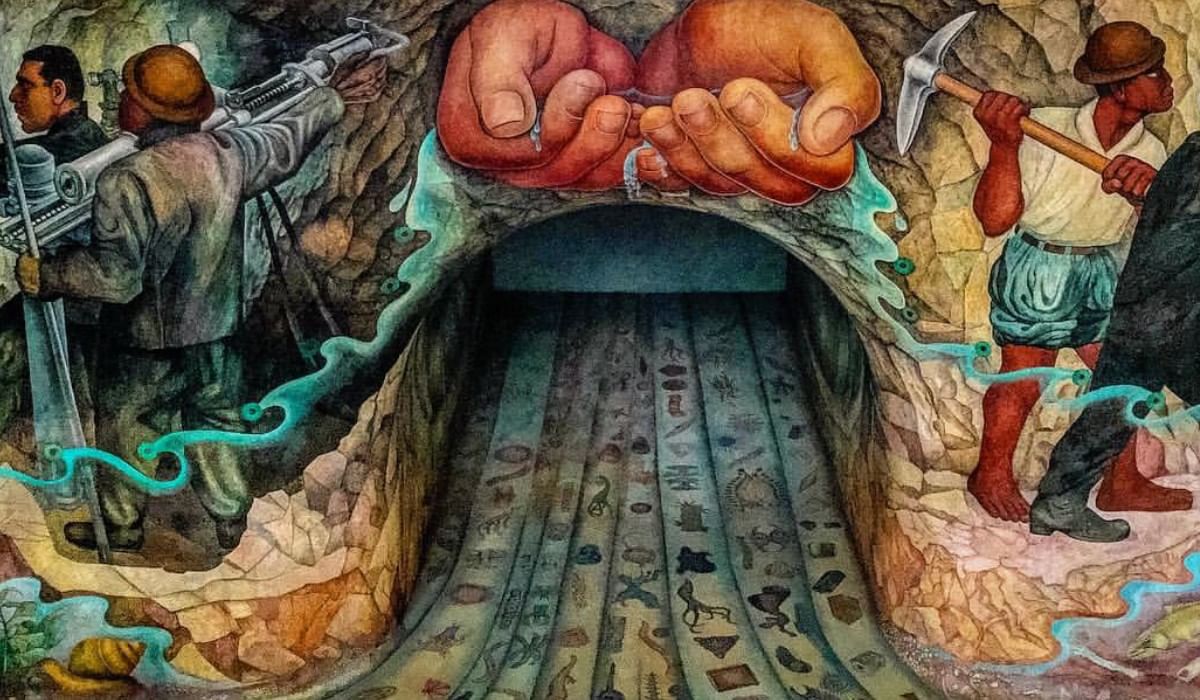 Photo: Government of Mexico
5. Mexico City Metropolitan Cathedral: A living landmark
Dominating the heart of the Historic Center, the Metropolitan Cathedral has witnessed centuries of history, legends, and traditions. Construction began in 1570 and took more than two centuries to complete.
Inside, elaborate altars, religious sculptures, and enormous bells reveal layers of the city’s history. Among its many stories is that of the famously “punished” bell, which has remained silent for decades.
6. Cineteca Nacional: A landmark for film lovers
Cineteca Nacional is far more than a movie theater complex. Since opening in 1974, it has become one of Mexico City’s most important cultural institutions, known for its film series, festivals, and international screenings.
The institution has also endured defining moments in Mexican cinematic history, including the devastating 1982 fire that destroyed thousands of film negatives. Following its renovation and relocation to Xoco, Cineteca Nacional now features new screening rooms, open-air spaces, and venues for films, exhibitions, and cultural gatherings.
7. Museo Diego Rivera Anahuacalli: An architectural tribute to Mexico’s Pre-Hispanic heritage
Built entirely from volcanic stone, Museo Diego Rivera Anahuacalli feels almost otherworldly. The Mexican muralist envisioned the museum as a tribute to the country’s pre-Hispanic roots, creating an architectural work unlike anything else in the city.
Its dramatic stairways, alabaster windows, and dimly lit interiors create a mysterious atmosphere from the moment you arrive. Beyond the architecture itself, visitors can explore part of the extraordinary collection of pre-Hispanic artifacts assembled by Diego Rivera.
8. Frida Kahlo Museum: Inside the Blue House
The Blue House is one of Coyoacán’s most beloved cultural landmarks and among the most visited museums in Mexico City. Frida Kahlo was born, lived, and died here, making every room a window into the artist’s deeply personal world.
The collection includes paintings, clothing, diaries, furniture, and personal belongings that offer an intimate glimpse into her life and creative process. Visitors can also discover spaces once shared by Frida Kahlo and Diego Rivera, two defining figures of 20th-century Mexican art.
9. National Museum of Anthropology: A Journey Through Mexico’s Past
The National Museum of Anthropology is an essential stop for any first visit to Mexico City. Opened in 1964, it is widely regarded as one of Latin America’s most important museums, thanks to its extraordinary archaeological and ethnographic collections.
Its galleries house some of Mexico’s most iconic pre-Hispanic artifacts, offering an expansive journey through the civilizations that shaped the country. Beyond its remarkable collection, the museum is celebrated for its architecture and regularly hosts internationally acclaimed temporary exhibitions.
10. The National Museum of Popular Cultures: Mexico’s living heritage
This museum celebrates the traditions, craftsmanship, and cultural expressions of communities throughout Mexico. From the moment you enter, references to folk art and the cultural fusion that defines the country create a vivid introduction to Mexico’s diverse heritage.
Alongside its exhibitions, the museum hosts concerts, dance performances, and recitals in several Indigenous languages. Its mission is to preserve and share Mexico’s cultural richness through experiences that feel dynamic, accessible, and deeply connected to the communities they represent.
Stay at Camino Real Polanco
A stay at Camino Real Polanco adds another layer of design, comfort, and exceptional location to any Mexico City escape. Opened for the 1968 Olympic Games and designed by renowned architect Ricardo Legorreta, the hotel is celebrated for its modern architecture, vibrant palette, and impressive art collection, earning it a reputation as a true “Hotel Museum.”
Set in the heart of Polanco, the property offers easy access to some of the capital’s finest museums, restaurants, boutiques, and cultural attractions. At the entrance, the Fuente del Movimiento Perpetuo and distinctive shades of pink and yellow immediately establish the hotel’s unmistakable visual identity.
Its spacious rooms offer a serene retreat after a day of exploring the city, while its sophisticated restaurants, elegant public spaces, and thoughtful amenities cater to both leisure and business travelers. With its strategic location and distinctive architectural character, Camino Real Polanco is an ideal base for experiencing Mexico City in comfort and style.
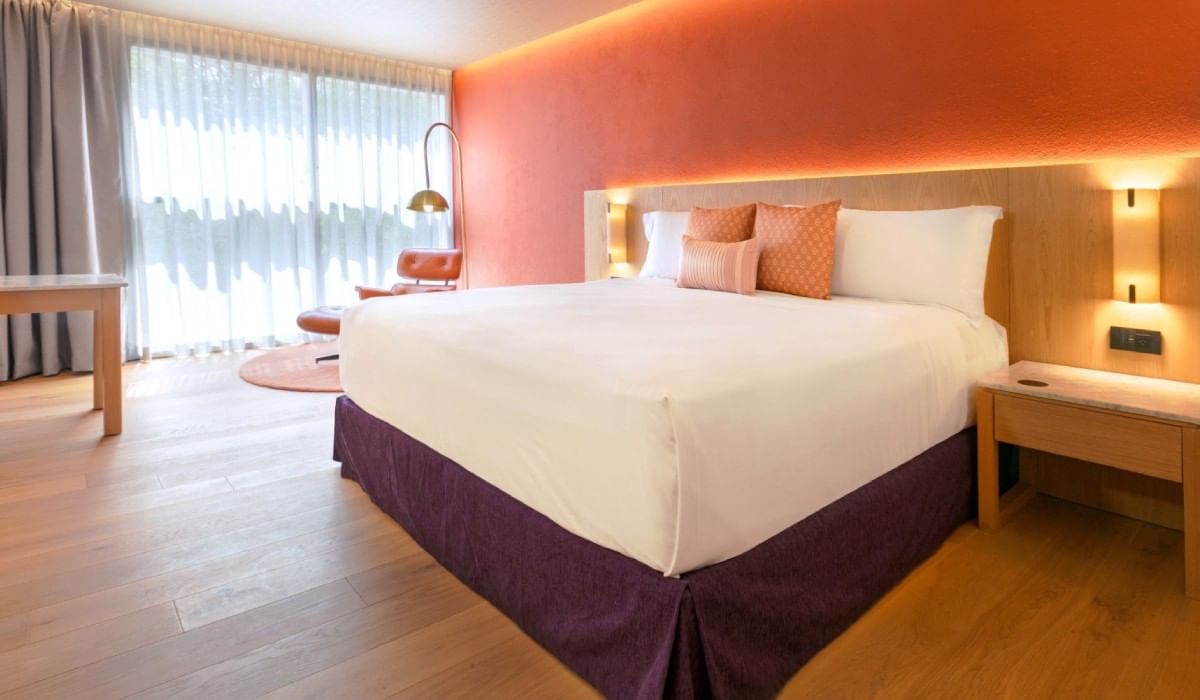 Photo: Hotel Camino Real Polanco