

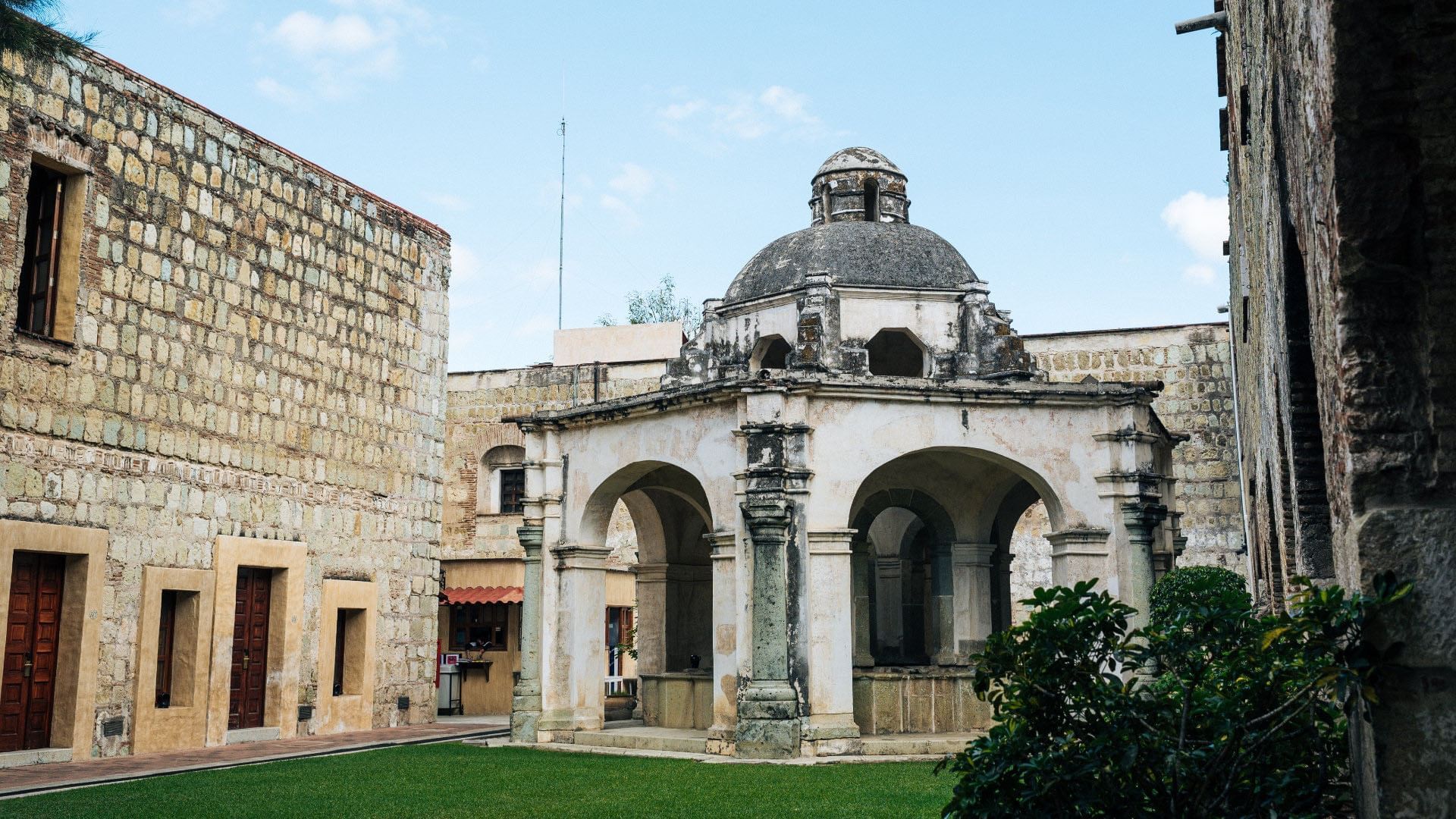
Explore the origins and cultural legacy of Son Jarocho, one of Veracruz’s most emblematic artistic expressions. Learn about its history, essence, and unmistakable sound.
Inside Veracruz’s Son Jarocho: The music that captures Mexico’s heart
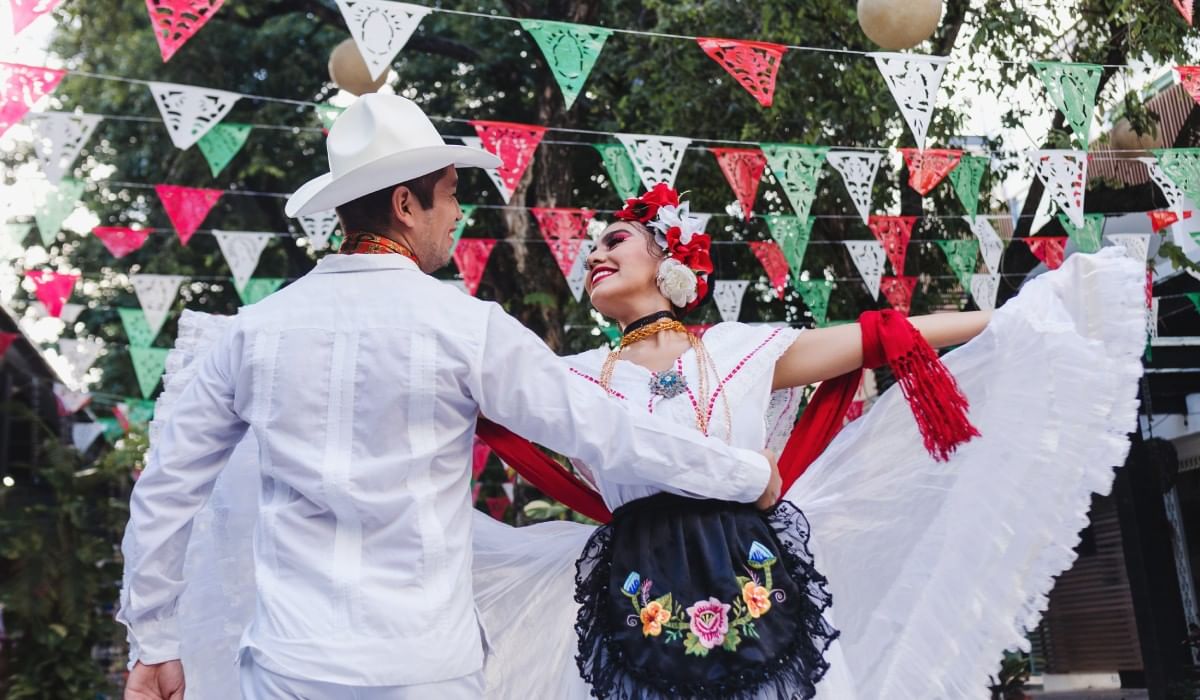 Photo: Shutterstock
Mexico is a country of countless colors, sounds, and traditions—but only one brings them all together and elevates them into one of the purest forms of popular culture: son jarocho, the signature musical style of Veracruz.
These compositions are iconic in the south-central region of the state. Over time, they also became part of the musical landscape of Oaxaca and Tabasco due to their proximity and shared rhythms.
The origins of this tradition: Son Jarocho
Although its exact origin remains uncertain, what we do know is that this musical genre began to take shape as we know it around the mid-18th century—an artistic expression born from the cultural blending of New Spain.
Enriched by Hispanic influences, especially from Andalusia and the Canary Islands, along with African and Indigenous elements, its early repertoire included pieces such as El Chuchumbé, which was famously banned by the Holy Inquisition, leading to the imprisonment of those who performed it.
Because son jarocho compositions reflected the lives, concerns, and popular customs of mestizo communities, the genre was preserved and passed down through oral tradition and live performance.
Thanks to this exchange of voices and rhythms, we can still sing El Chuchumbé today, along with other classics like La Bamba and even El Jarabe.
Instruments: A symbol of cultural fusion
As a product of mestizaje, son jarocho showcases its blended heritage not only in its melodies, but also in the instruments used to bring them to life.
One of the genre’s essential instruments is the jarana, similar to a Baroque guitar. It was originally crafted from armadillo shells, but due to the species’ endangered status, it is now made from cedar or mahogany.
The harp is another indispensable element in traditional Veracruz performances, as well as other string instruments like the requinto, a small guitar uniquely associated with son jarocho.
Given the genre’s centuries-old roots, some instruments may seem unusual today, yet they were completely common in the past—such as the donkey jawbone.
Also known as charrasca, it is iconic in traditional Caribbean and Latin American music and used as a percussion instrument, producing different sounds depending on where the bone is struck.
Other classic percussion instruments include the pandero and the marimbol, a wooden box fitted with metal tongues. Adding to the ensemble is the tarima for zapateado, a wooden platform where dancers strike the surface with their feet, creating a rhythmic percussive sound accompanied by a captivating visual performance.
In more recent times, son jarocho groups have incorporated instruments such as the violin, double bass, cajon, and harpsichord. The genre continues to evolve, adapting to new musical ideas without losing the essence that has made it a living cultural treasure.
Let the Fandango begin!
As you walk the streets of Veracruz, Oaxaca, or Tabasco, you may hear son jarocho drifting through the air. But this genre truly shines during traditional celebrations known as fandangos veracruzanos.
Between the 17th and 18th centuries, these lively street gatherings grew in popularity as spaces that broke away from rigid social structures, allowing for free artistic expression and improvisation.
The fandango is considered the quintessential cultural expression of the Sotavento region—the area encompassing the son jarocho tradition across Veracruz, Tabasco, and Oaxaca.
Whether you’re a musician, cook, dancer, poet, the person carrying the tarima, or simply an observer, you become part of the celebration—helping this vibrant tradition continue writing its story.
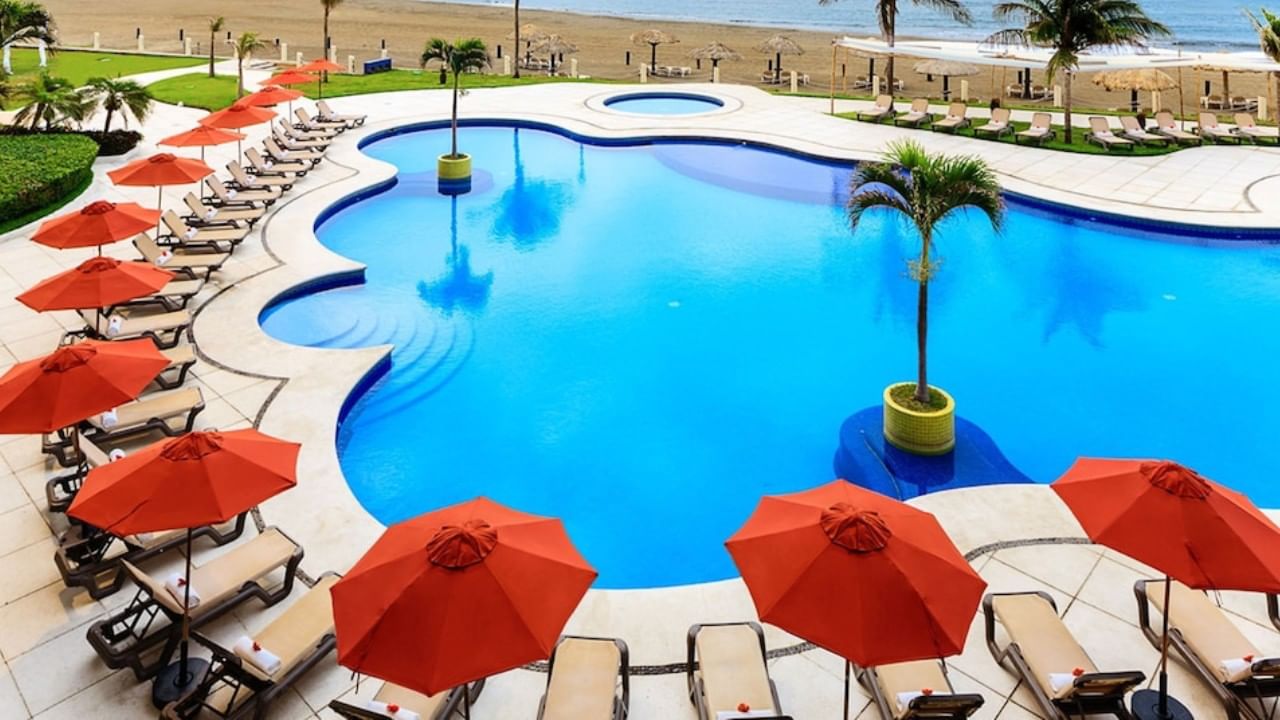 Photo: Camino Real Veracruz
Where to experience Son Jarocho in Veracruz
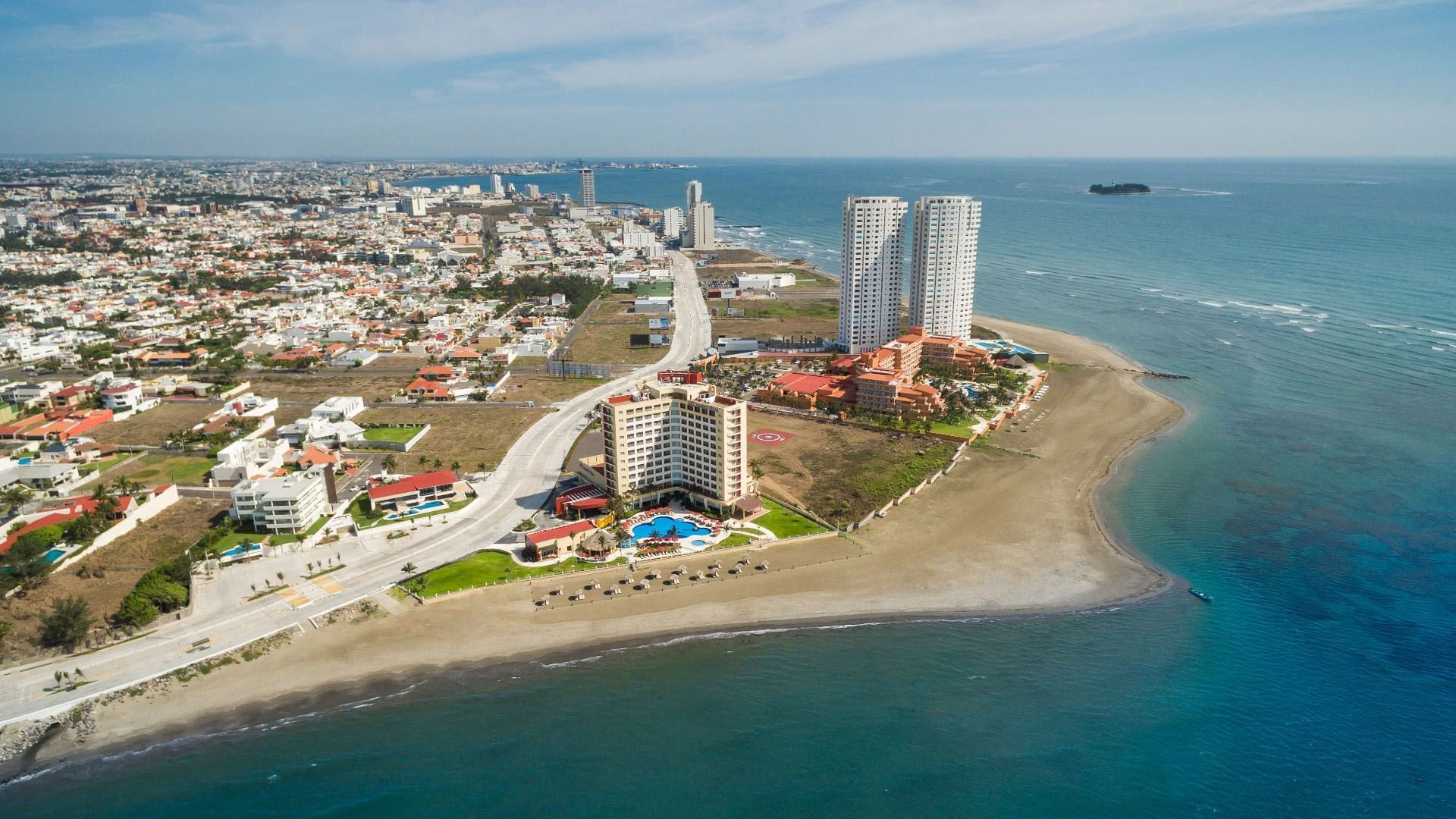
If you’re visiting Veracruz, you’ll find plenty of must-see spots around the city—and a stay at Camino Real Veracruz makes for the perfect starting point.
Besides offering beautiful ocean views, the hotel is just 20 minutes from the airport and close to several tourist attractions, with direct access to the city center.
After joining a fandango—whether in the historic center, along the boardwalks, or near the Monumento al Son Jarocho—you can unwind and enjoy the hotel’s amenities or savor a special meal at the restaurant La Huerta.
Beyond son jarocho, Veracruz is also famous for its exceptional coffee. Don’t leave without trying it—especially at Token Café, where you’ll enjoy some of the best drinks paired with delicious bites to satisfy any craving.
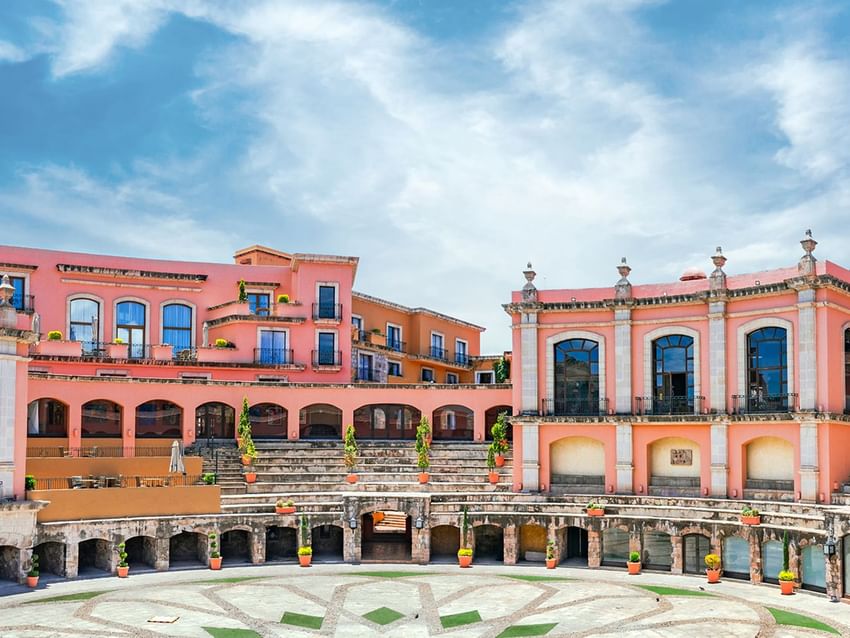
Quinta Real Zacatecas
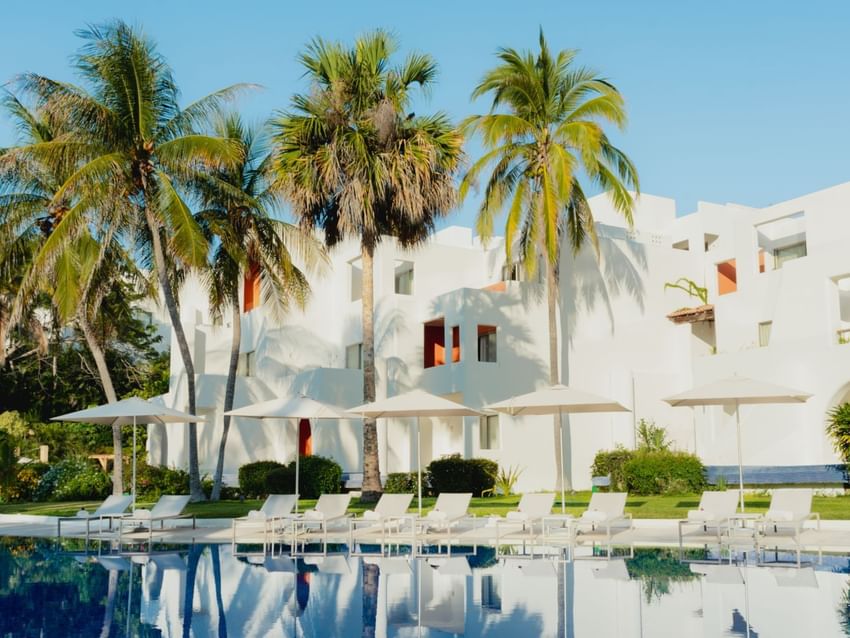
Camino Real Zaashila Huatulco
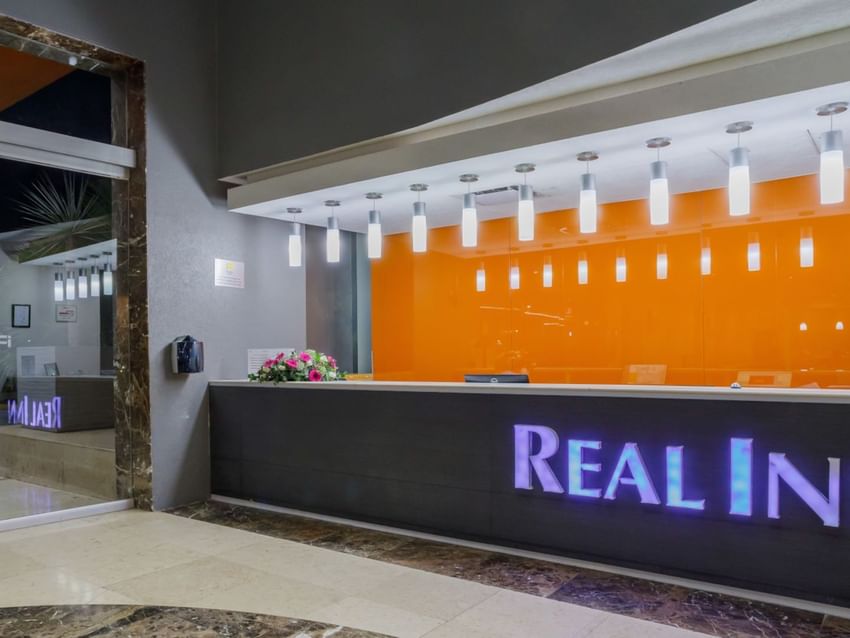
Real Inn Torreon
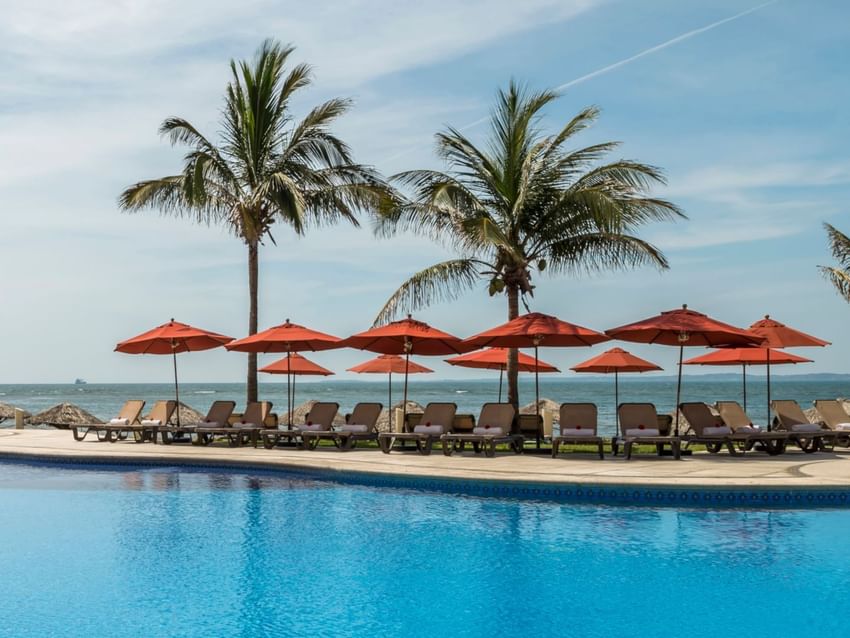
Camino Real Veracruz
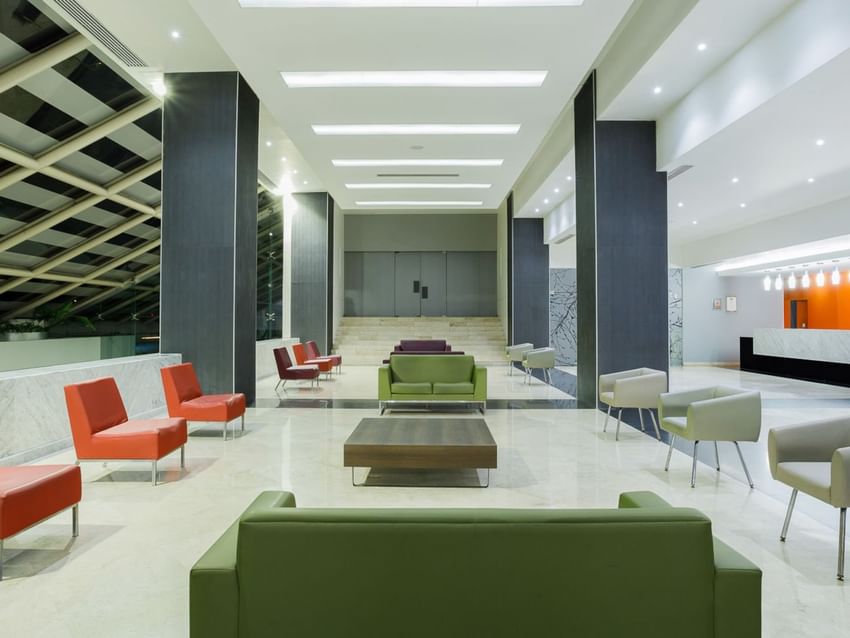
Real Inn Tijuana
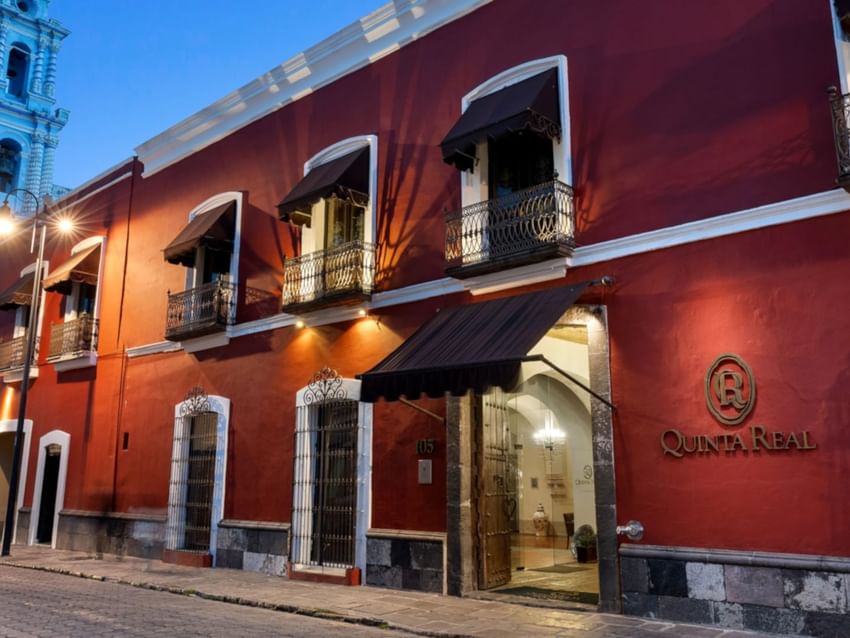
Quinta Real Puebla
Real Inn San Luis Potosi
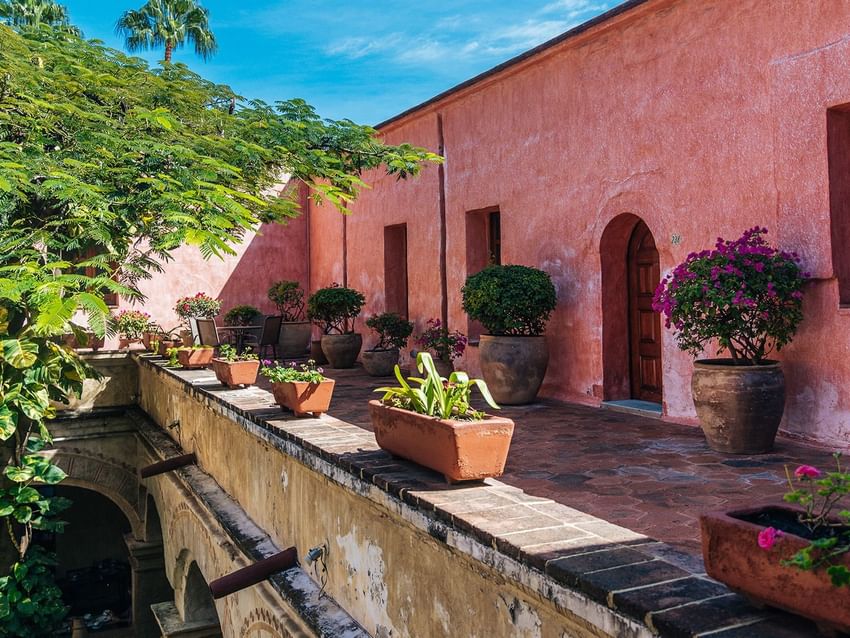
Quinta Real Oaxaca
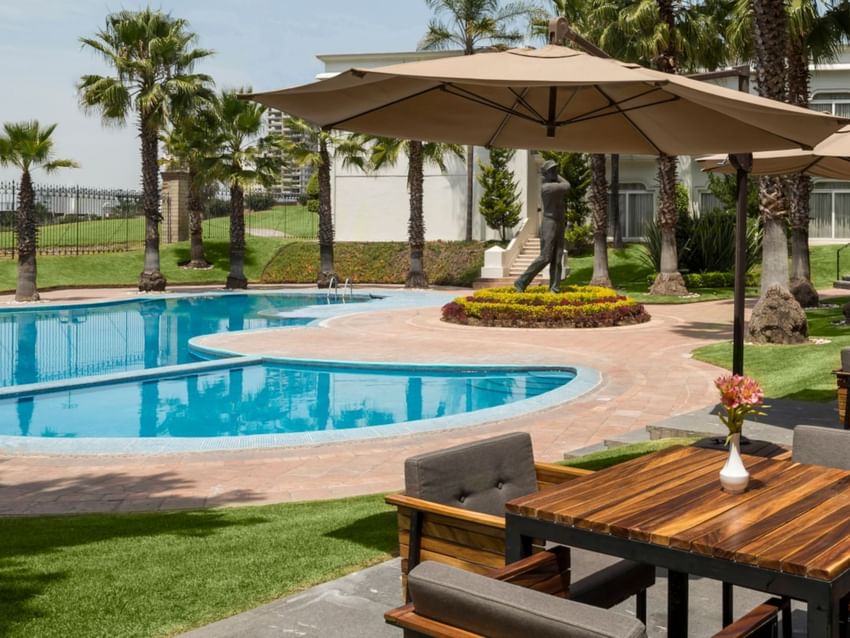
Camino Real Puebla Angelopolis
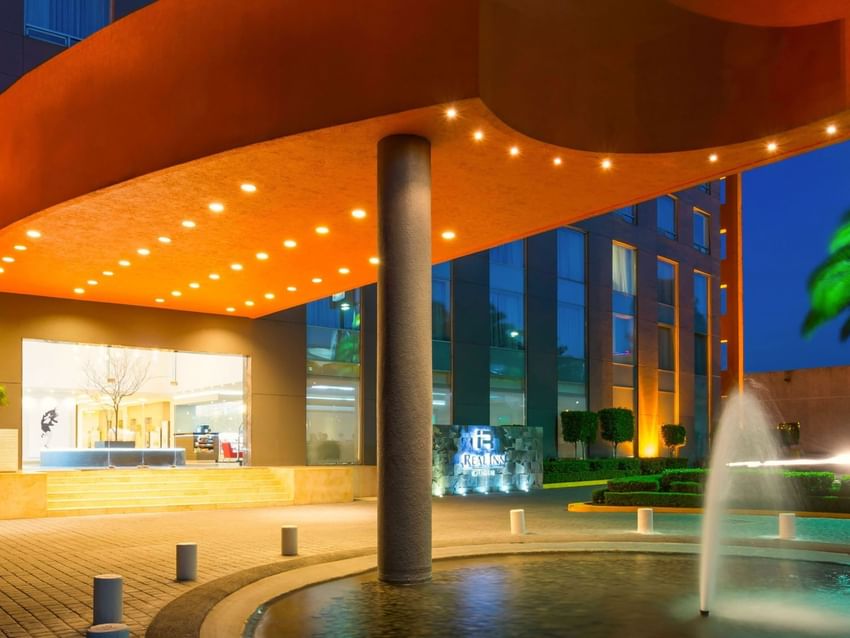
Real Inn Perinorte
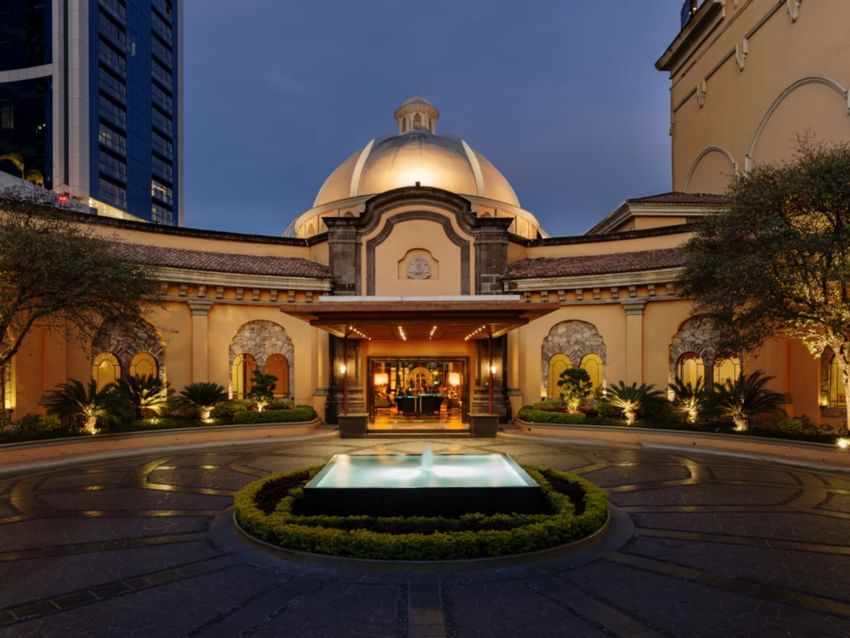
Quinta Real Monterrey
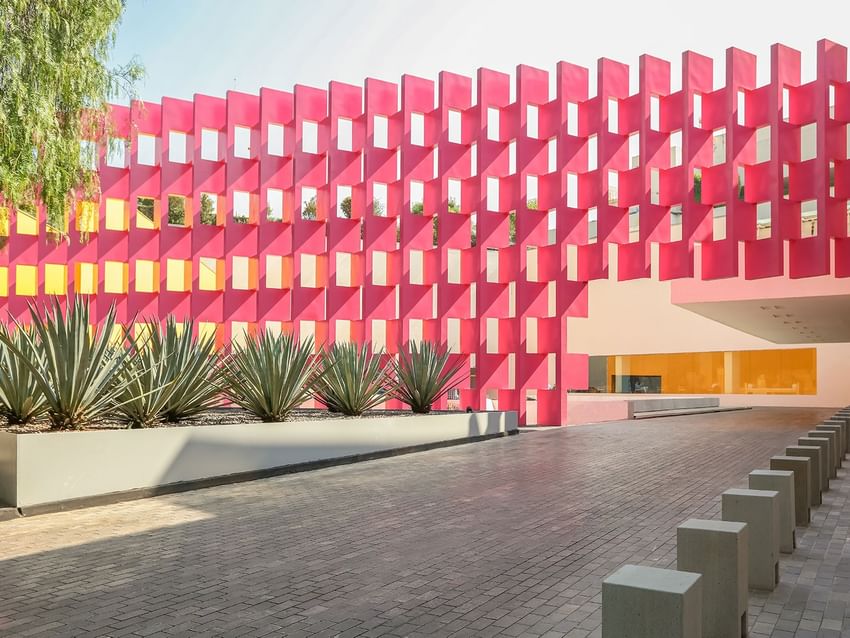
Camino Real Polanco Mexico

Real Inn Nuevo Laredo
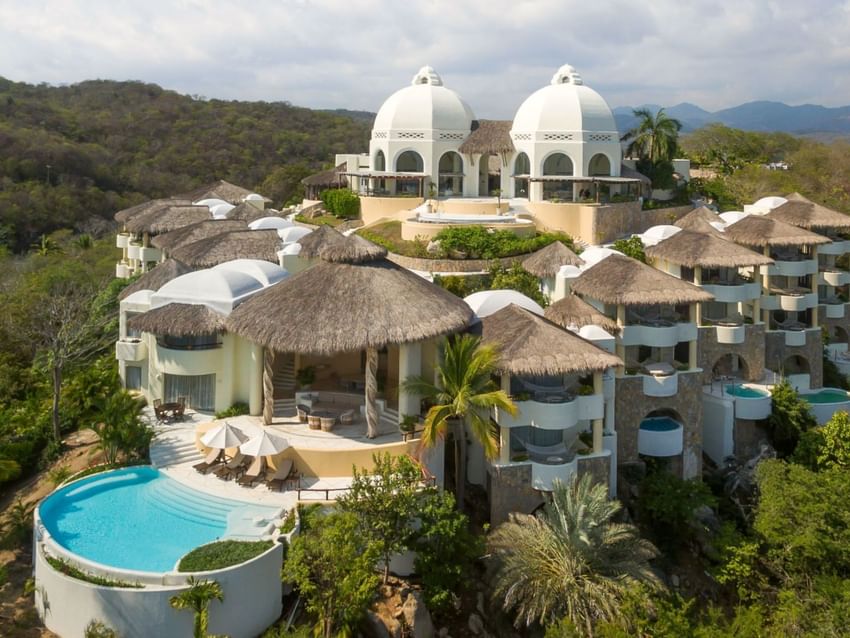
Quinta Real Huatulco
Camino Real Pedregal Mexico
Quinta Real Guadalajara
Camino Real Pachuca
Quinta Real Aguascalientes
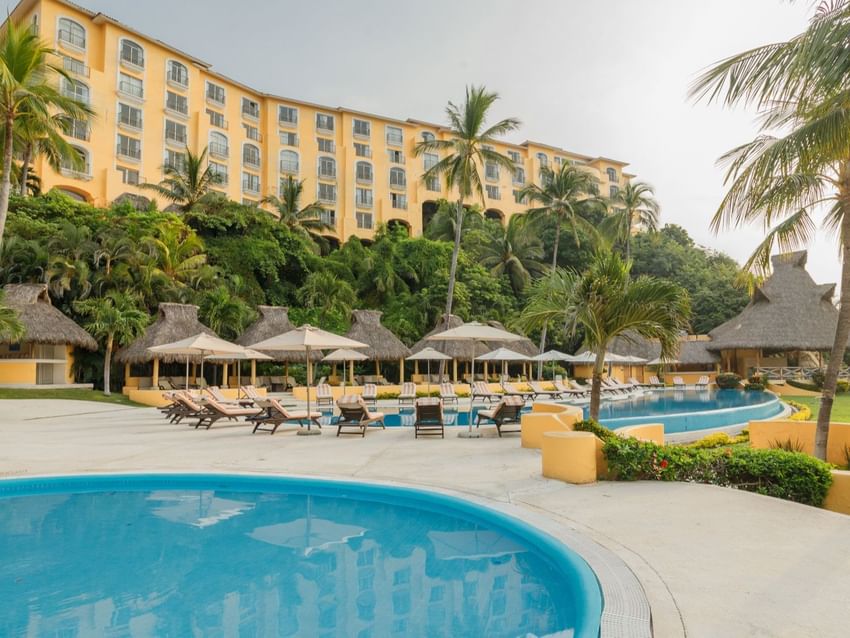
Quinta Real Acapulco
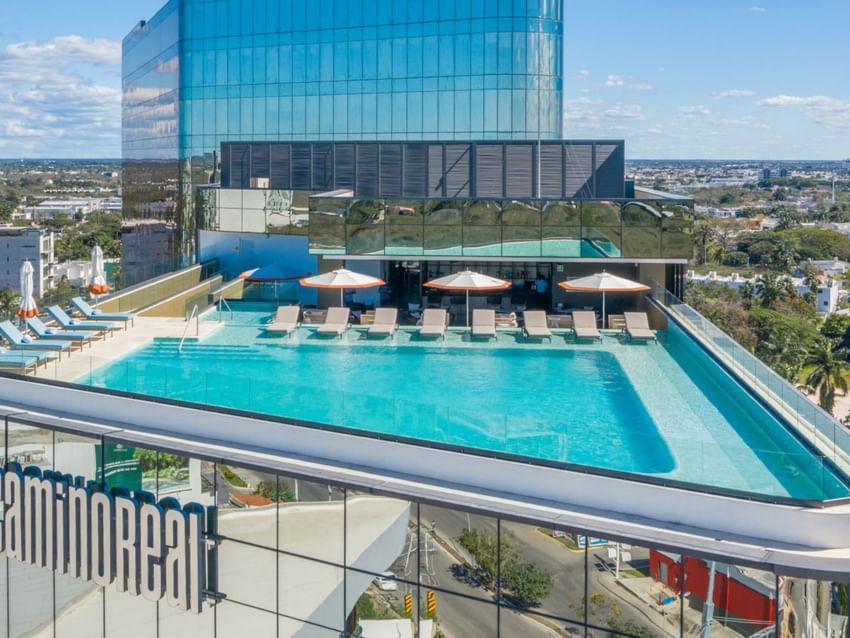
Camino Real Merida
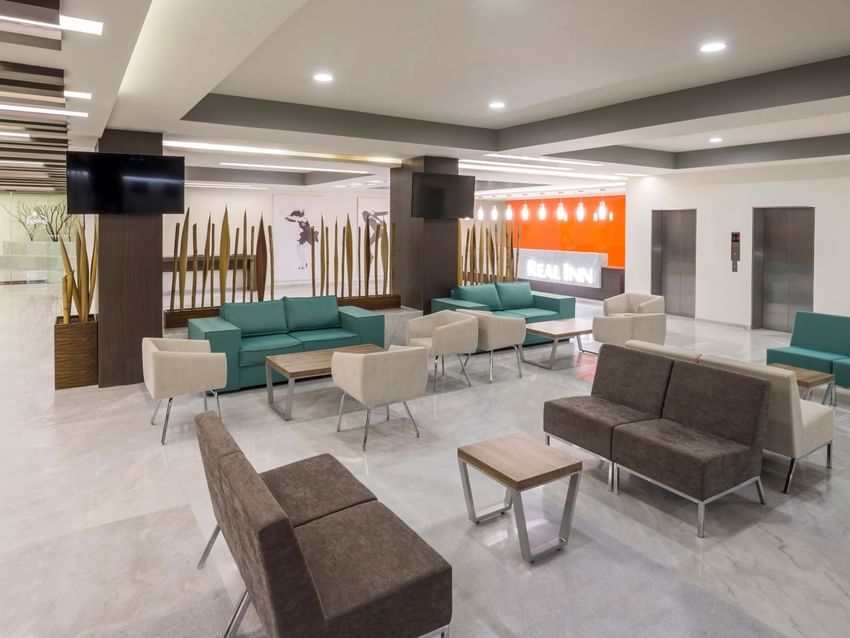
Real Inn Celaya
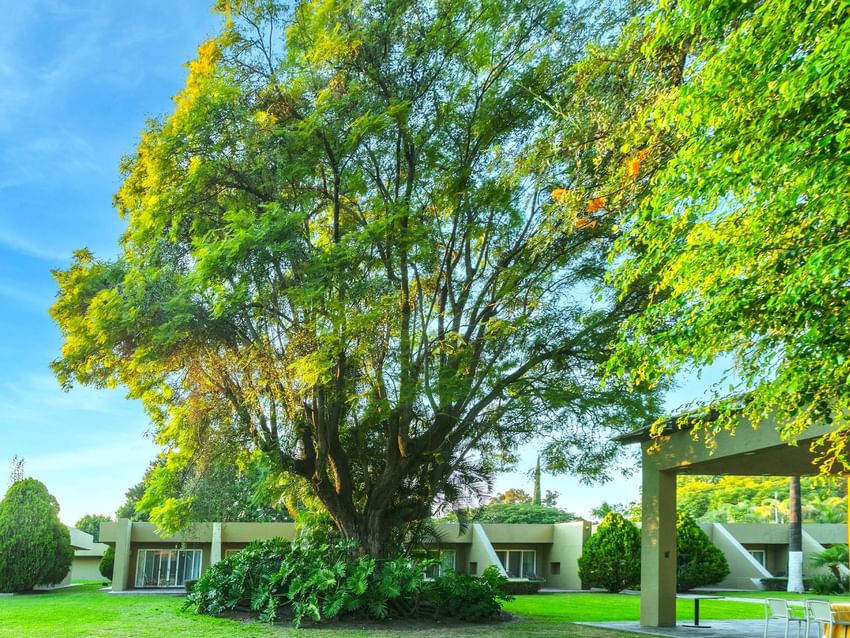
Camino Real Guadalajara
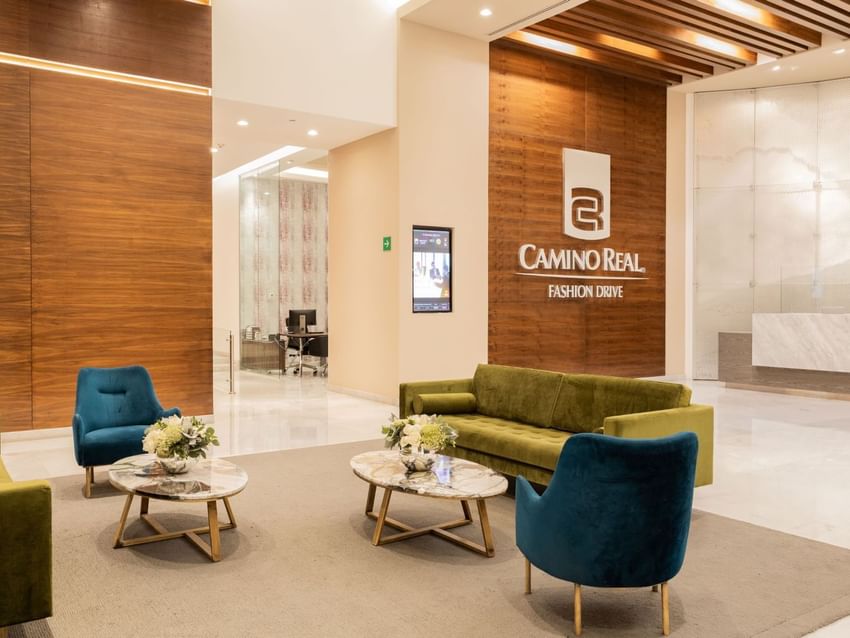
Camino Real Fashion Drive Monterrey
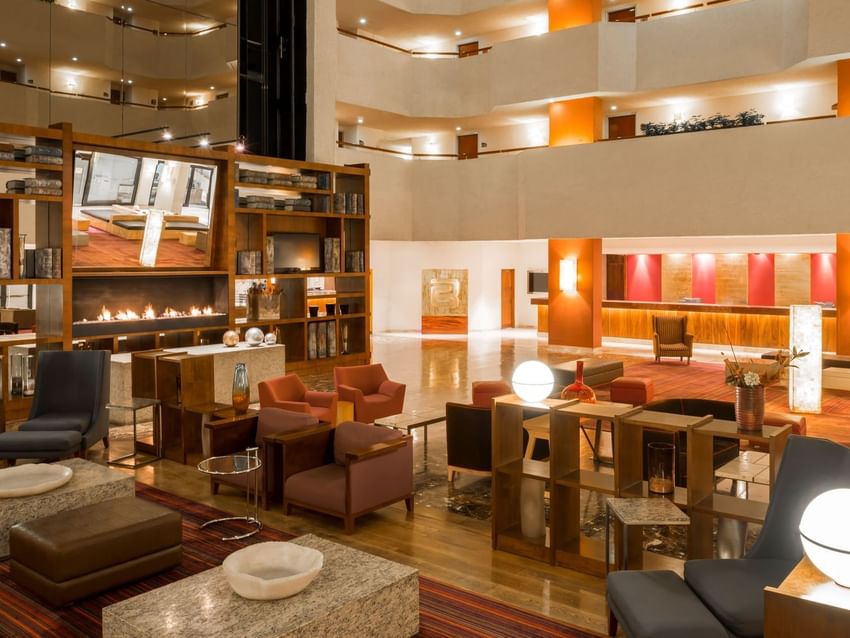
Camino Real Aeropuerto Mexico
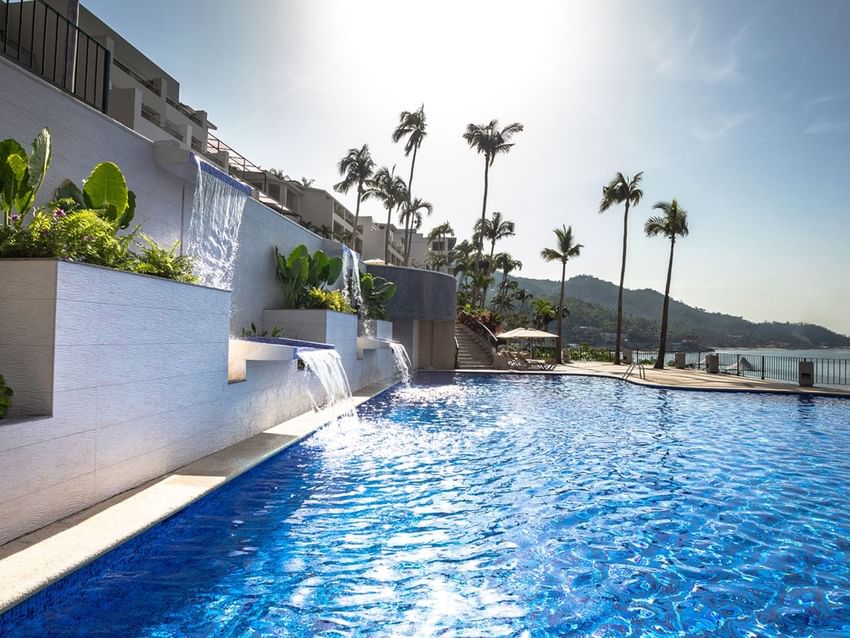
Camino Real Acapulco Diamante
No Results Found