






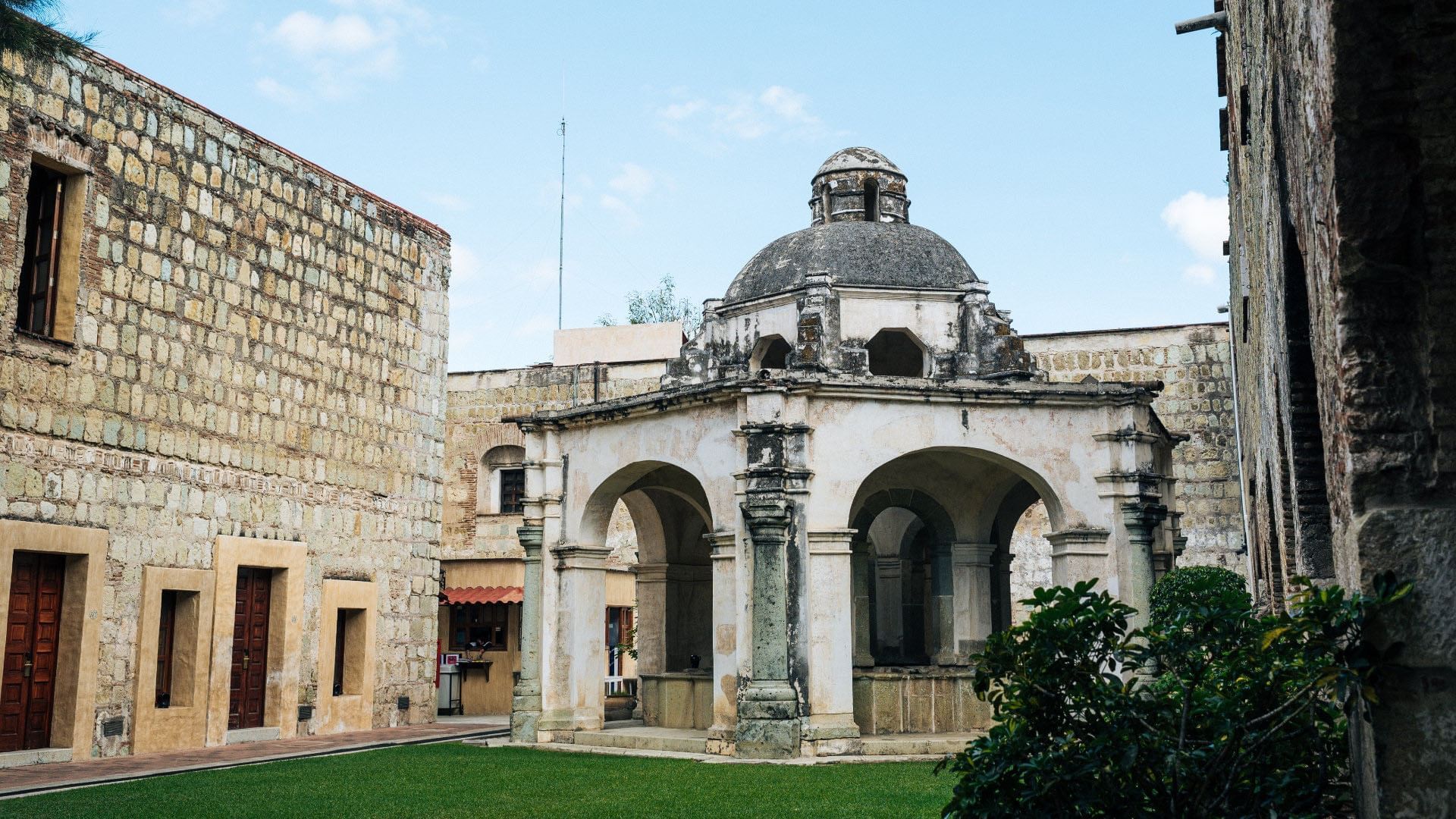
Experience a truly unforgettable Day of the Dead in Oaxaca. Discover the muerteadas, monumental sand tapestries, and the traditional pan de yema. A complete guide to one of Mexico’s most meaningful celebrations.
Day of the Dead in Oaxaca: Traditions, events, and travel tips
 Photo: Shutterstock
Day of the Dead is one of Mexico’s most emblematic traditions, yet nowhere is it experienced quite like it is in Oaxaca. This year, from October 26 to November 3, the city celebrates “La Fiesta Más Viva de Todas” (The Most Alive Fiesta of All), an official program of more than 100 events. Expect muerteadas (nocturnal processions), monumental sand tapestries, altars, street festivals and cemetery vigils, along with pan de yema, mole and mezcal. This guide gathers the essentials for planning your journey.
Recognized by UNESCO as an Intangible Cultural Heritage of Humanity since 2008, the celebration is a moving fusion of pre-Hispanic and colonial beliefs, a reflection of the country’s mestizo roots.
The return of the souls is welcomed with a ritual of ofrendas: the favorite foods and drinks of the departed, marigold (cempasúchil) flowers, papel picado, sugar skulls and copal incense.
Key Dates for Day of the Dead in Oaxaca 2026
According to the official program of “La Fiesta Más Viva de Todas”:
- October 26 – November 3: The celebration opens with the awards procession of the Historic Center’s façade competition.
- October 28: La Catrina, a limestone sculpture, is unveiled in front of the Government Palace.
- October 30: Verbena Xandú, “La Visita de los Nuestros” (The Visit of Our Loved Ones), in the Zócalo, with complimentary tamales, bread, chocolate and coffee.
- October 31: Día de los Angelitos, honoring the souls of children with offerings of toys and sweets. After dark, a vigil is held at the cemetery of Santa Cruz Xoxocotlán.
- November 1: Todos Santos. A traditional convite procession, plus muerteadas in the Etla Valley.
- November 1–2: Thirty monumental altars in the Zócalo, representing Oaxaca’s 16 Indigenous peoples and the Afro-Mexican community.
- November 2: Nighttime vigils in cemeteries across the region.
A Different Day of the Dead
In Oaxaca, the celebration unfolds in shades of yellow, orange and brown that take over streets and homes alike.
Muerteadas: Carnival of the Comparsas
Oaxaca has traditions found nowhere else in the country, chief among them the comparsas, or muerteadas. Each neighborhood of the city comes alive with a carnival in which revelers laugh in the face of everyday troubles.
To follow these evening processions, it is best to stay in the heart of the city. At Quinta Real Oaxaca, every comfort is at hand, and the Santo Domingo corridor and the Zócalo are close by.
Its central location also means you will watch costumed revelers pass by to the beat of a brass band, on their way to the muerteadas of the neighborhoods of El Polvo, Trinidad de las Huertas, Cinco Señores and Jalatlaco.
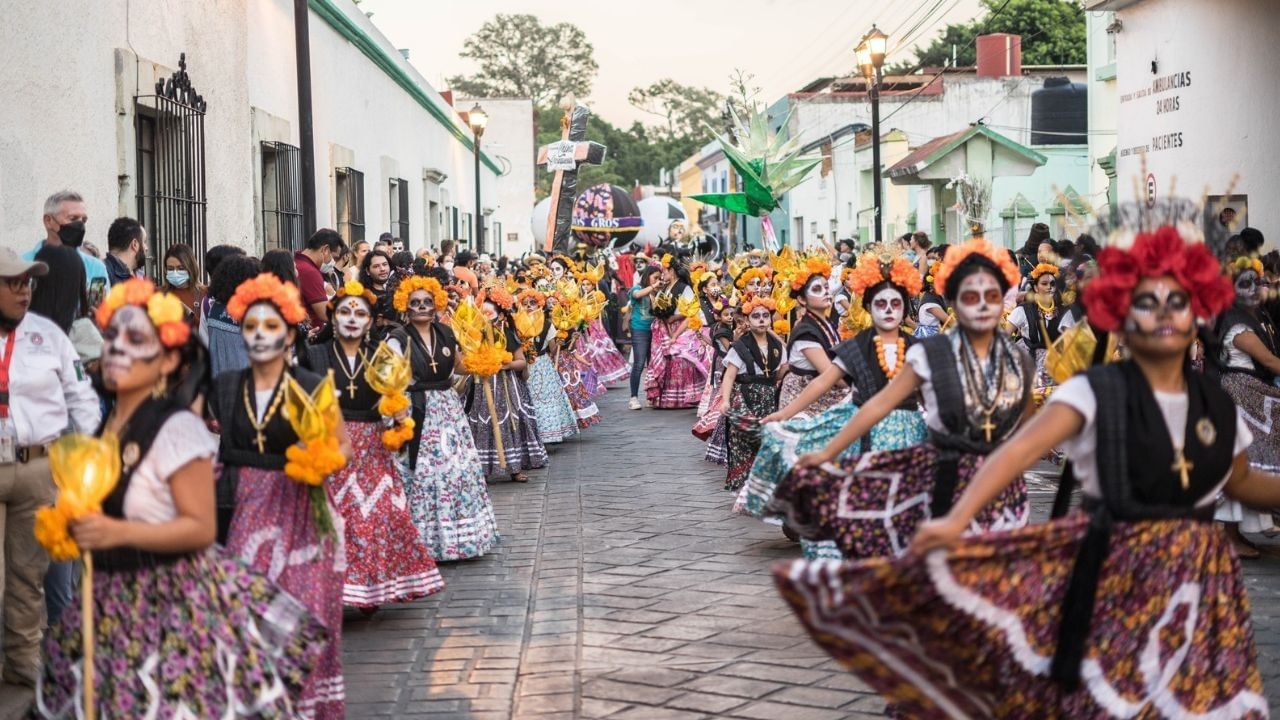 Photo: Shutterstock
Cemeteries: An Intimate Vigil
Those in search of the most intimate side of the celebration should visit a cemetery. In Santa Cruz Xoxocotlán, the vigil on the night of October 31 draws the largest crowds. Families adorn the graves, eat, drink and converse with their departed until dawn.
A few recommendations for visiting:
- Go with respect, and in silence.
- Ask permission before taking photographs.
- After dark, arrange a round-trip taxi with waiting service, or book through a tour agency.
Oaxacan Pan de Muerto
In Oaxaca, pan de muerto is unlike the version found in central Mexico, and it varies considerably from one region of the state to another.
Among the most beloved is a reinterpretation of the state’s classic pan de yema, an egg-rich bread available in shops year-round. During the holidays, it is crowned with a color and a tiny face that represent the souls of the departed.
Another signature loaf comes from Mitla, a community whose name means “Place of the Dead.” The bread appears from mid-October through November, made with flour, anise, lard, cinnamon and egg, and decorated with different motifs, most often skulls. Alongside the traditional pan de yema, you will find a loaf shaped like a human silhouette. Whether to taste it or simply admire it, Mitla is well worth the detour.
To sample the full range of pan de muerto, consider staying at one of the Grupo Camino Real hotels in Oaxaca: Camino Real Zaashila Huatulco, Quinta Real Huatulco or Quinta Real Oaxaca. Each makes an ideal base from which to choose the region you wish to explore and to learn more about the state’s Day of the Dead traditions.
 Photo: Shutterstock
Monumental sawdust carpets
A tradition of the Central Valleys, these tapestries are created nine days after a burial. Dozens of people take part, working with sand, sawdust and pigments such as cochineal red and indigo blue. The label “monumental” is well earned: some measure roughly 36 feet (11 meters) on each side.
Where to stay in Oaxaca
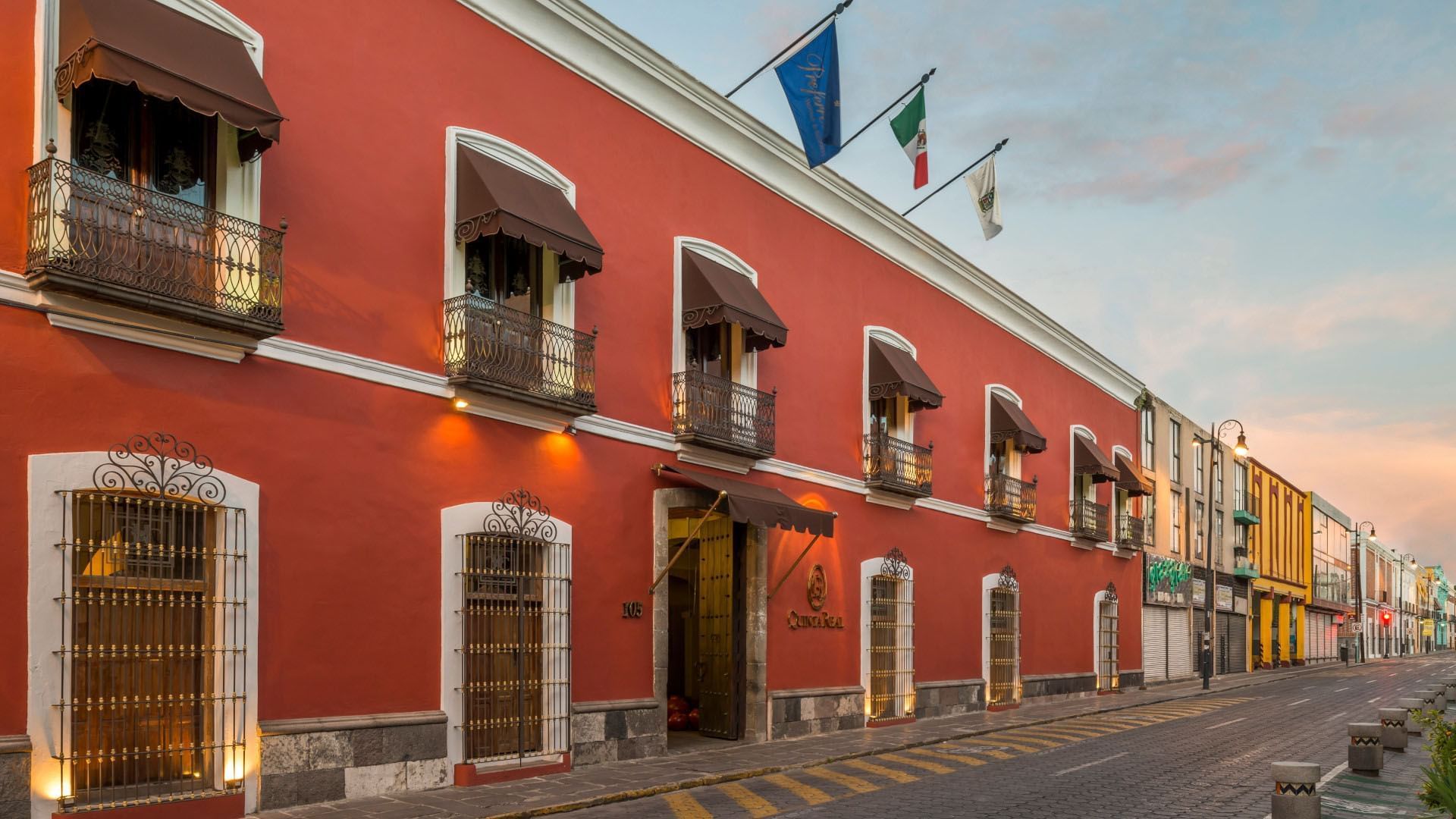
Quinta Real Oaxaca is an excellent starting point for exploring the Historic Center. Just a few blocks from the Zócalo and the Santo Domingo corridor, it lets you reach the main events on foot and return to rest in complete comfort.
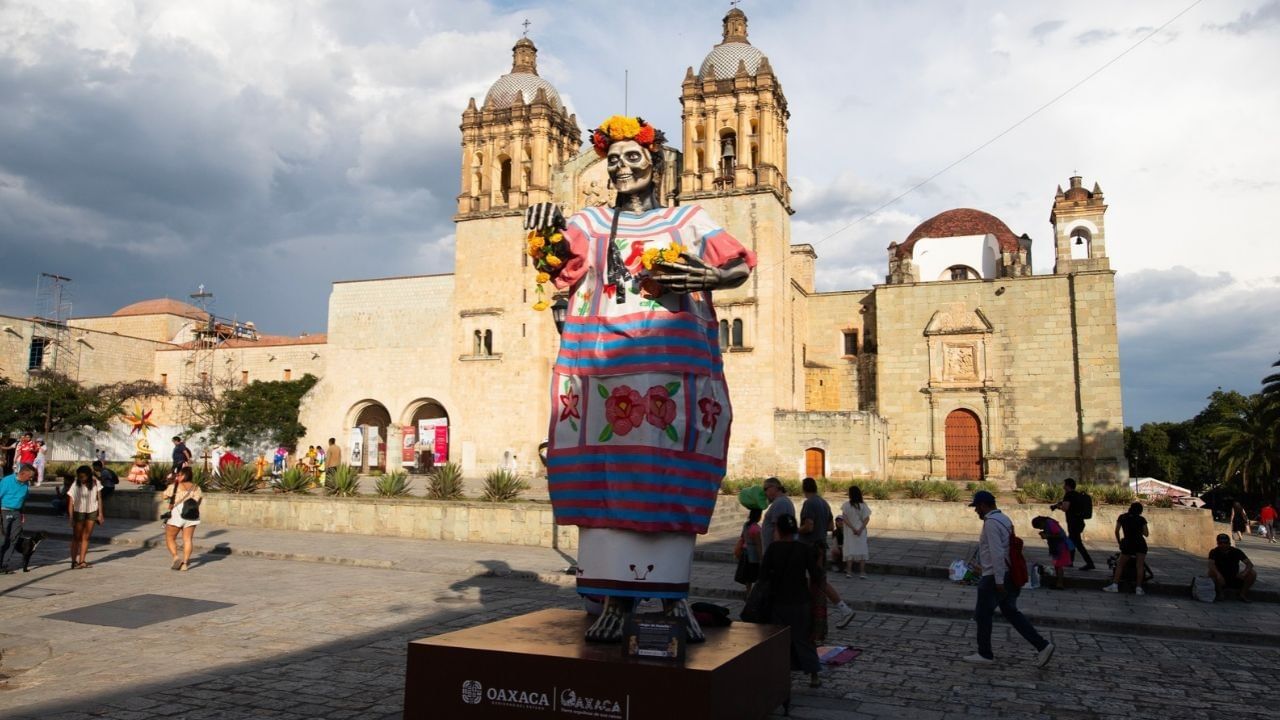 Photo: Shutterstock
Day of the Dead in Huatulco
Huatulco also marks the occasion with a lively program of activities. Locals and visitors alike enjoy traditional muerteadas, altar and costume contests, and concerts.
Pack your costume and join the children and adults who keep Mexico’s pre-Hispanic traditions alive, paying tribute to their departed in a way that is both special and unforgettable.
Prepare to welcome Day of the Dead in Huatulco, and reserve your stay at Camino Real Zaashila Huatulco or Quinta Real Huatulco.
Frequently Asked Questions
When is Day of the Dead in Oaxaca in 2026?
The official program runs from October 26 to November 3. The core dates are October 31 through November 2.
What are muerteadas?
They are nocturnal processions with brass bands and costumes that wind through the neighborhoods of Oaxaca in a carnival atmosphere.
Which cemetery should I visit?
Santa Cruz Xoxocotlán is the most visited, especially on the night of October 31.
Where can I see monumental sand tapestries?
At the atrium of the Templo de Jalatlaco and at the Plaza de la Danza.
Quinta Real Zacatecas

Camino Real Zaashila Huatulco

Real Inn Torreon

Camino Real Veracruz

Real Inn Tijuana
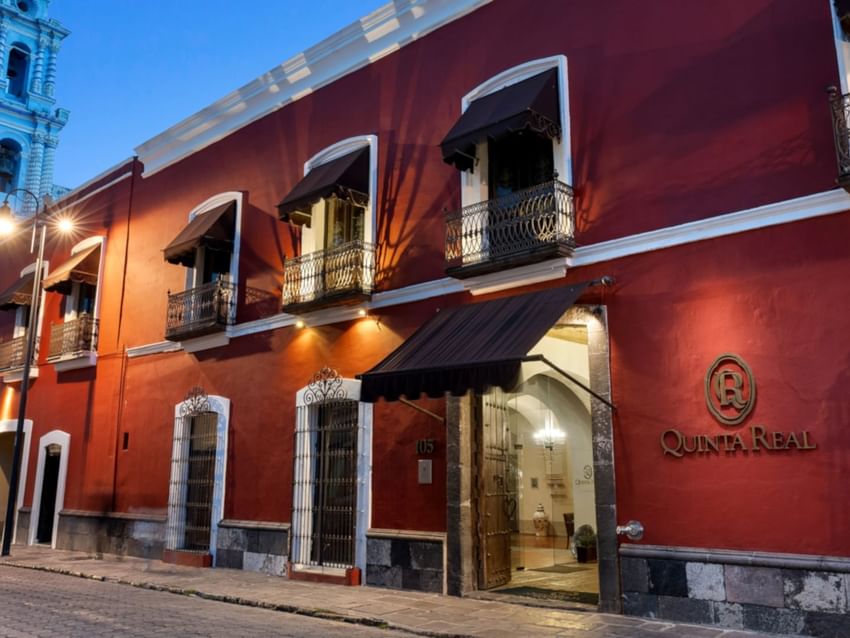
Quinta Real Puebla

Real Inn San Luis Potosi
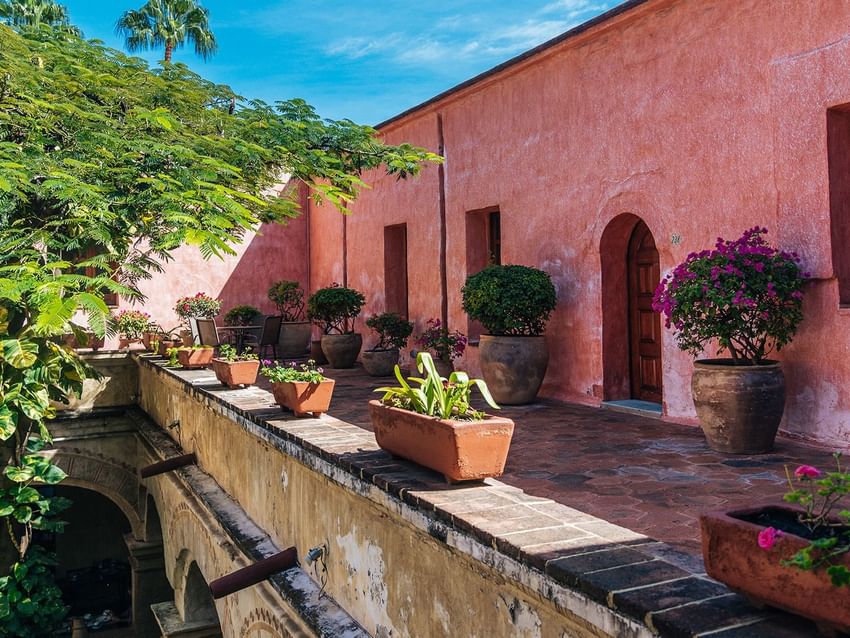
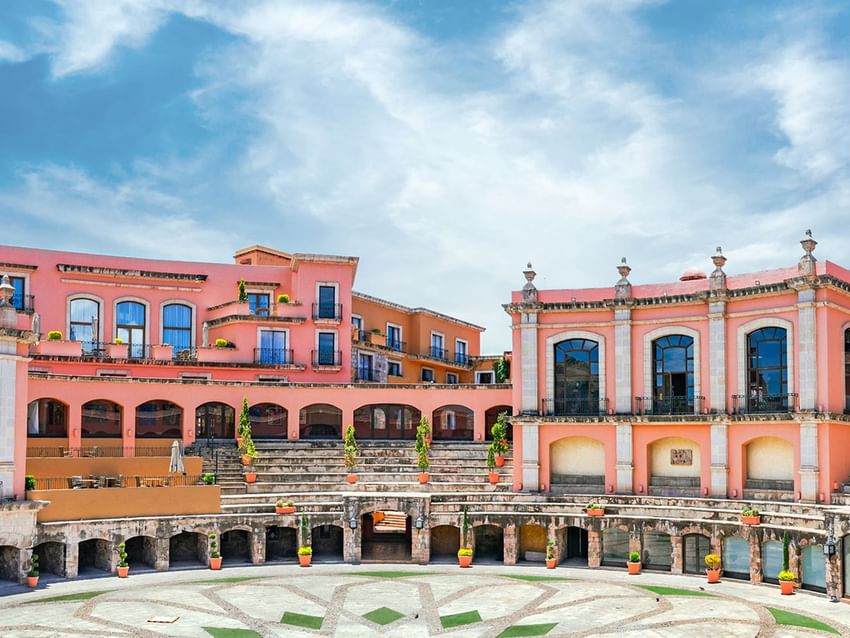
Quinta Real Oaxaca

Camino Real Puebla Angelopolis

Real Inn Perinorte
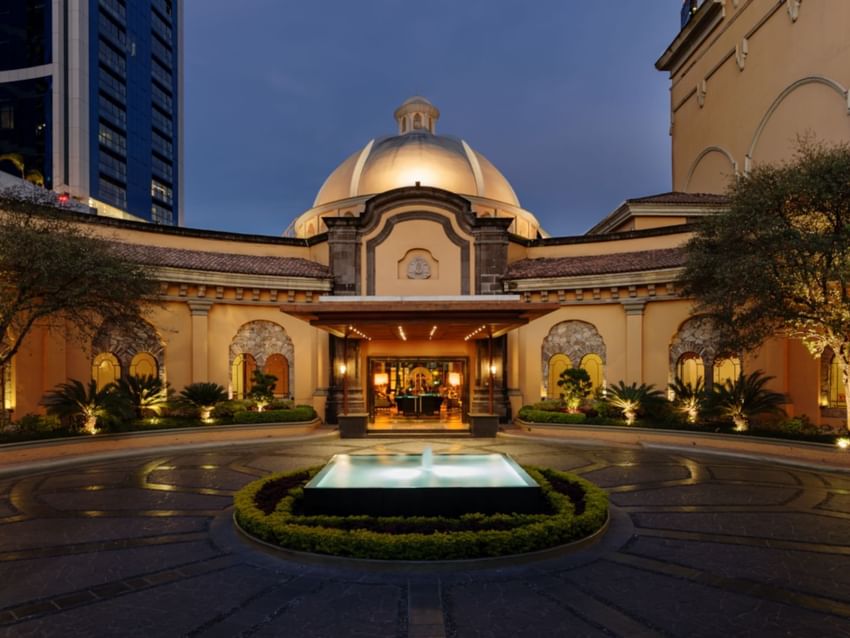
Quinta Real Monterrey

Camino Real Polanco Mexico

Real Inn Nuevo Laredo

Quinta Real Huatulco

Camino Real Pedregal Mexico
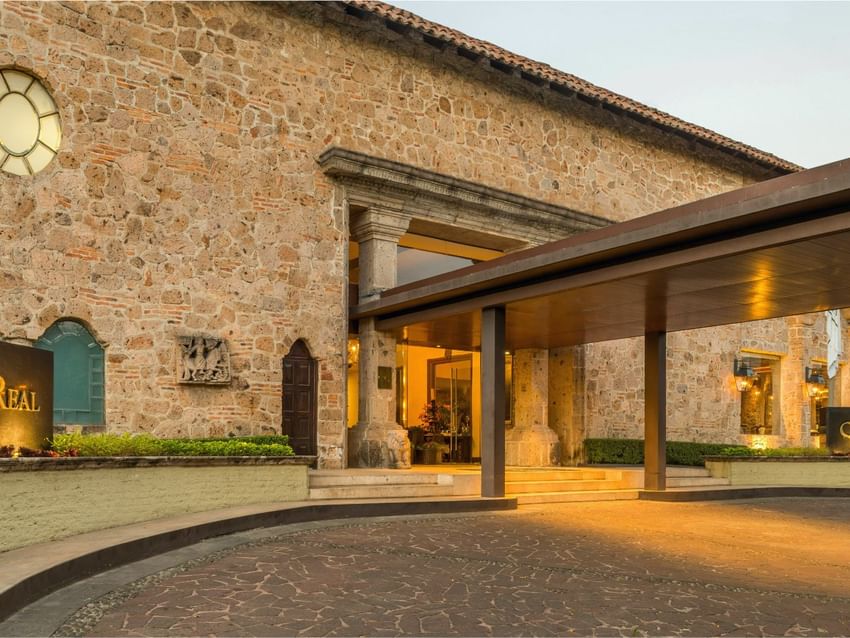
Quinta Real Guadalajara

Camino Real Pachuca
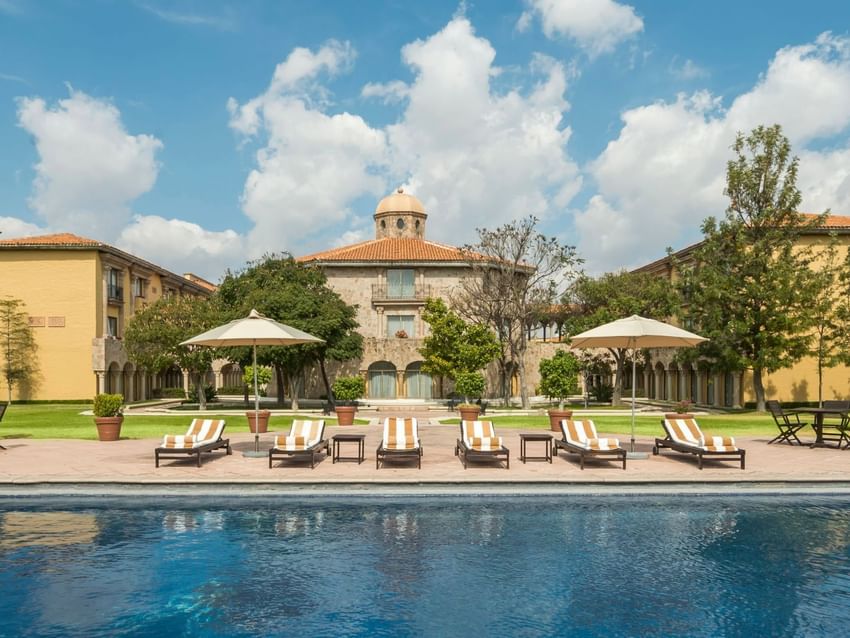
Quinta Real Aguascalientes

Quinta Real Acapulco

Camino Real Merida
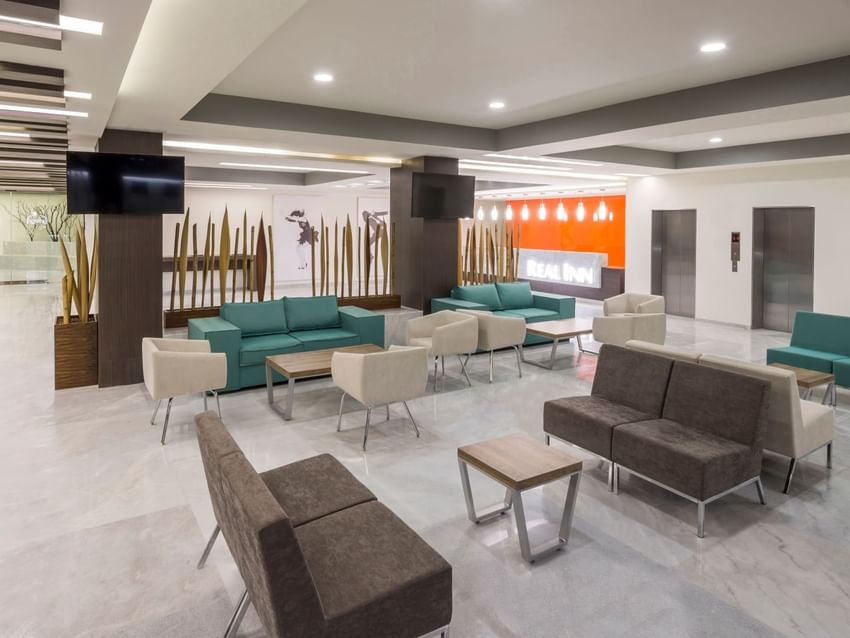
Real Inn Celaya
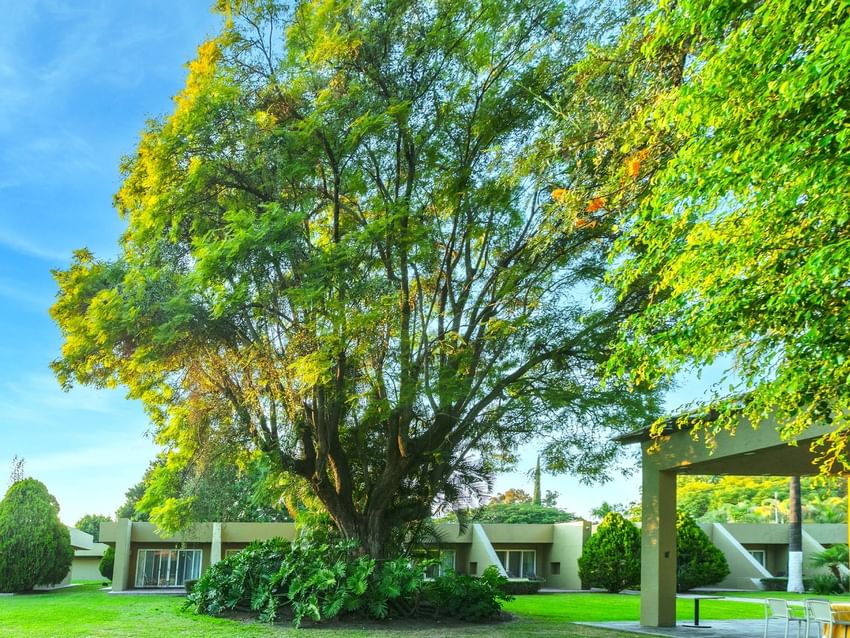
Camino Real Guadalajara

Camino Real Fashion Drive Monterrey
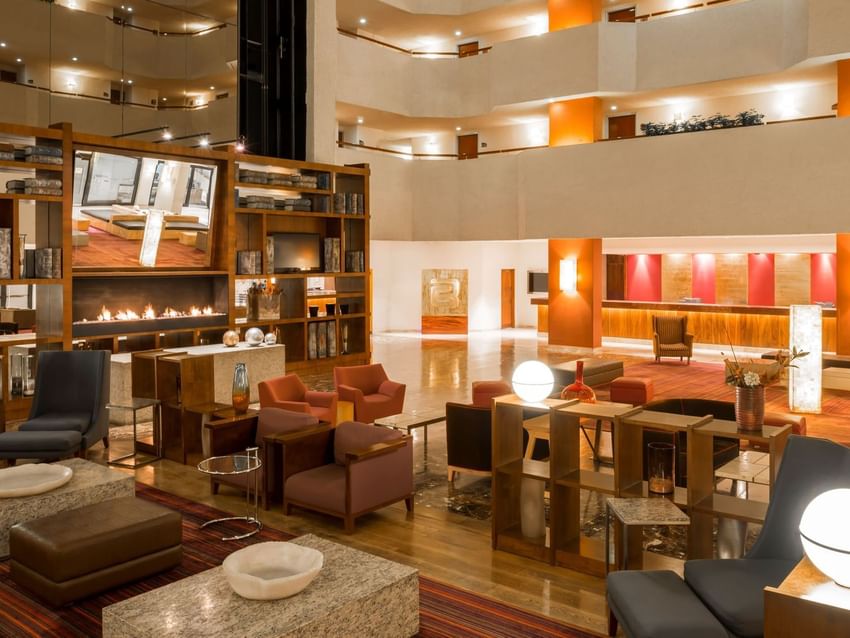
Camino Real Aeropuerto Mexico

Camino Real Acapulco Diamante
No Results Found