

Do you know the story behind the Angel of Independence? This gleaming monument, a symbol of victory and freedom, stands proudly in the heart of Mexico City—a place where history, art, and national pride converge.
The Angel of Independence: A symbol of victory and freedom in Mexico City
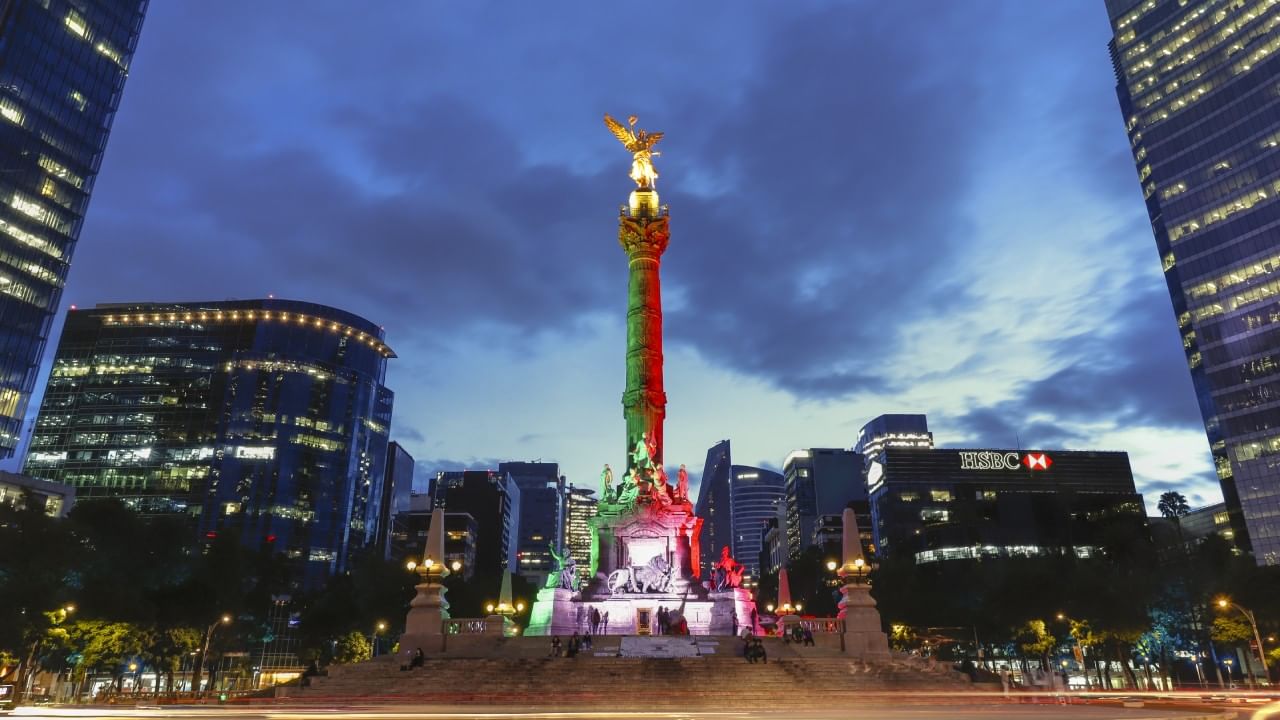 Foto: Shutterstock
Brilliant, colossal, and commanding, the Ángel de la Independencia is one of the most iconic landmarks of Mexico City—a golden figure that has graced countless postcards and photographs. Beyond its beauty, it carries a profound meaning for the Mexican people: the triumph of liberty and the spirit of a nation.
A Monument Born from History
At the end of the 19th century, during the presidency of Porfirio Díaz, the idea arose to build a monument commemorating Mexico’s Independence. Italian architect Enrique Alciati was entrusted with its design.
Construction began in 1902 and, despite several technical challenges and delays, was completed in 1910—just in time for the centennial of Mexico’s Independence. The grand inauguration took place on September 16, 1910, led by President Díaz himself, marking a moment of national pride that would endure through generations.
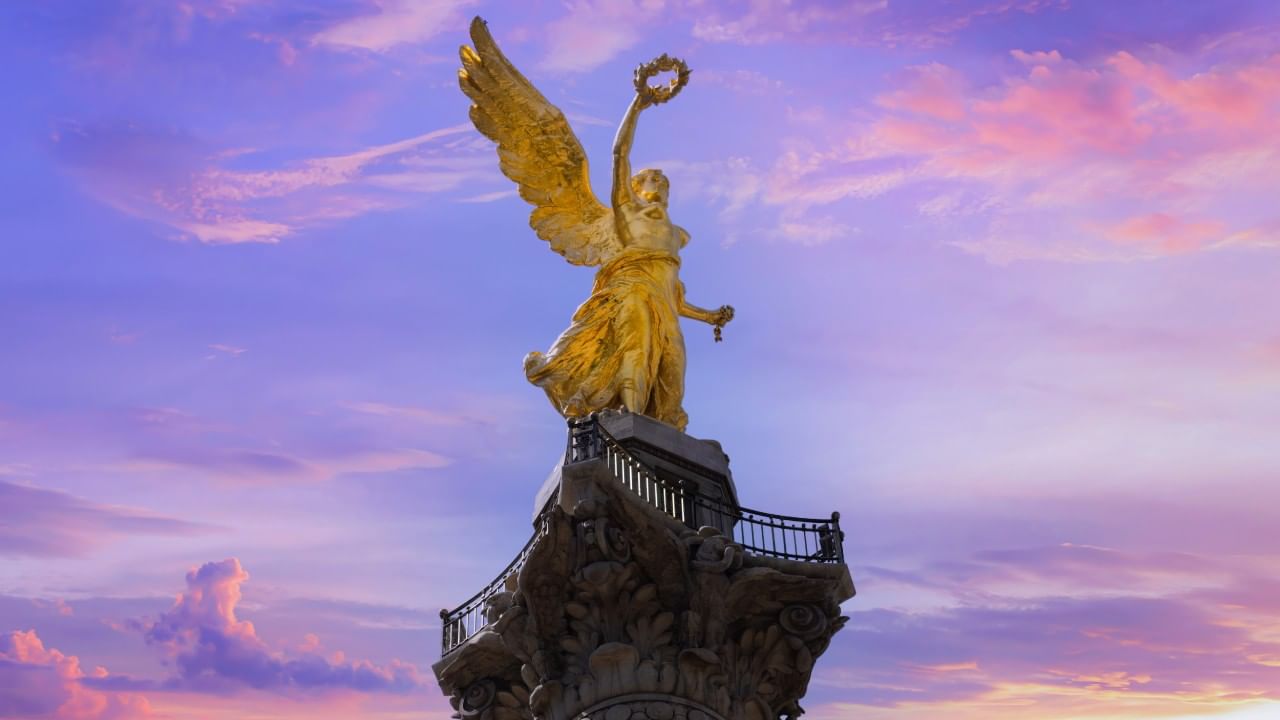 Foto: Shutterstock
A Timeless Symbol of Victory and Freedom
Crowning the monument stands Nike, the Greek goddess of victory, holding a laurel wreath in her right hand — a symbol of triumph — and a broken chain in her left, representing Mexico’s liberation from Spanish rule.
More than a monument, the Ángel de la Independencia honors the heroes and heroines who fought for freedom. Over time, it has become one of the most enduring emblems of Mexican identity — a reminder of resilience, courage, and unity.
Life Around the Angel
Throughout history, the Angel has been the stage for countless celebrations, ceremonies, and moments of collective emotion. From patriotic parades and flag-raising events to spontaneous gatherings after major sports victories, it serves as the beating heart of public life in Mexico City.
It’s also a focal point for civic expression — a space for protests, demonstrations, and movements that have shaped the country’s political and social landscape. Located along the grand avenue Paseo de la Reforma, the Angel is both a witness and a participant in Mexico’s evolving story.
In addition to its symbolic significance, the area often transforms into a venue for open-air concerts, marathons, and cultural performances — moments when art and community come together under the city’s vibrant skyline.
Though it has withstood damage, including major restoration after the 1957 earthquake, the monument remains as majestic as ever — a steadfast symbol of Mexico’s enduring spirit.
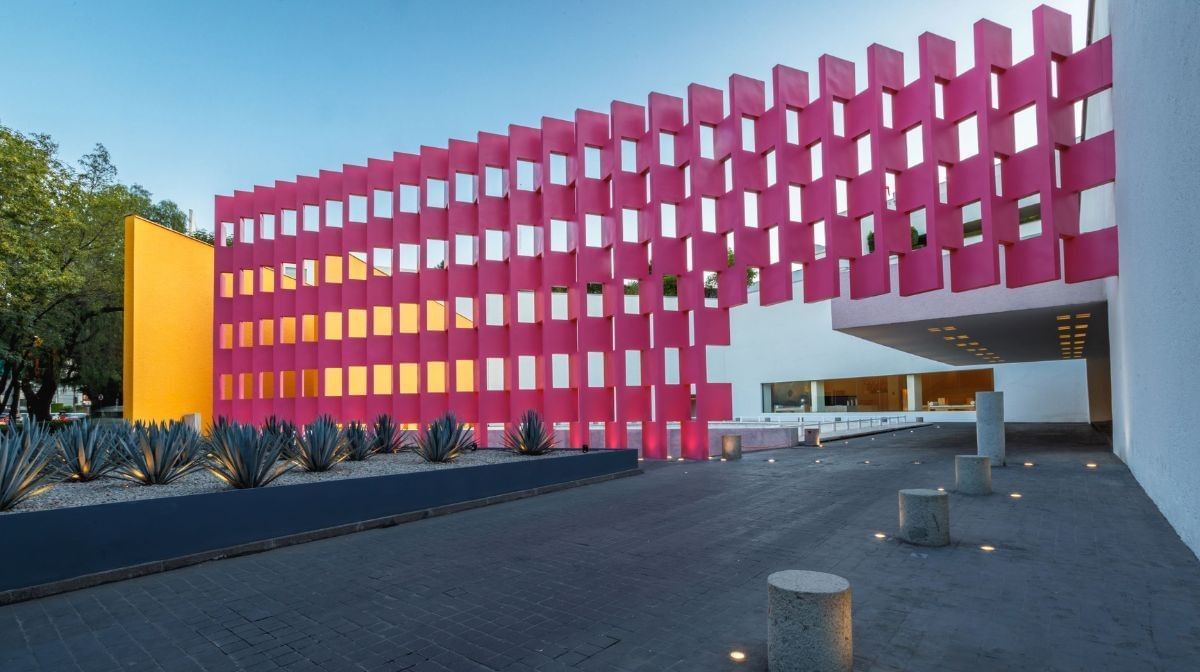 Foto: Camino Real Polanco
Visiting the Angel of Independence
Located at the intersection of Paseo de la Reforma and Avenida Florencia, the monument stands at the heart of Mexico City — a must-see for anyone visiting the capital. Visitors come not only to admire its neoclassical beauty but also to enjoy panoramic views of the city from the top.
Just seven minutes away by car lies one of the city’s modern gems: Camino Real Polanco, a five-star sanctuary designed by the celebrated architect Ricardo Legorreta. Originally built for the 1968 Olympic Games, this “Hotel-Museum” is a masterpiece of modern Mexican architecture — colorful, luminous, and full of life.
Nestled in the lively Anzures district, the hotel offers a perfect blend of tranquility and urban energy. Inside, guests can admire works by renowned artists, dine in world-class restaurants, and experience impeccable service surrounded by lush gardens and contemporary design.
With versatile spaces for corporate events, weddings, and celebrations, Camino Real Polanco stands as an icon of sophistication and hospitality — a destination in itself.
So if you’re looking for an exceptional stay that combines art, architecture, and comfort in the heart of Mexico City, the Camino Real Polanco is where your journey should begin.
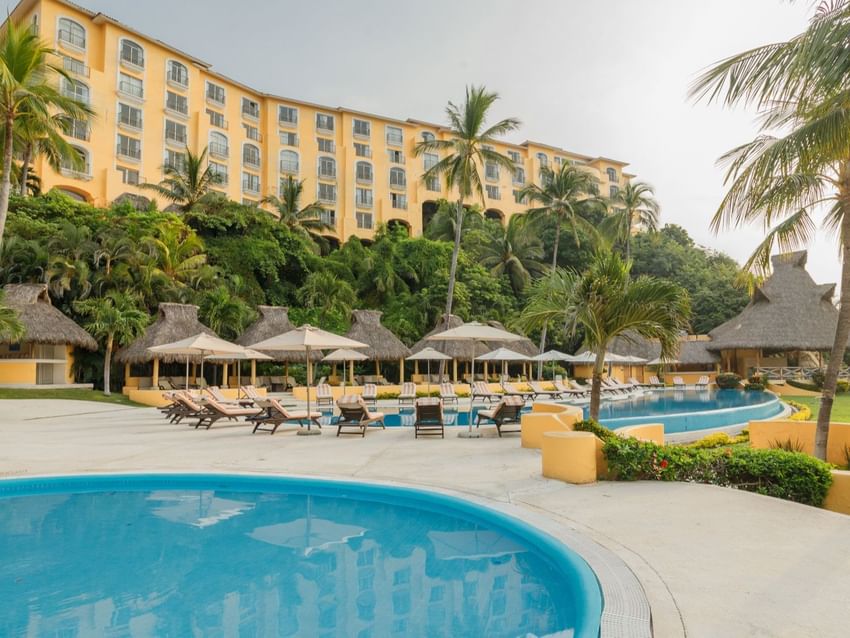
Quinta Real Acapulco
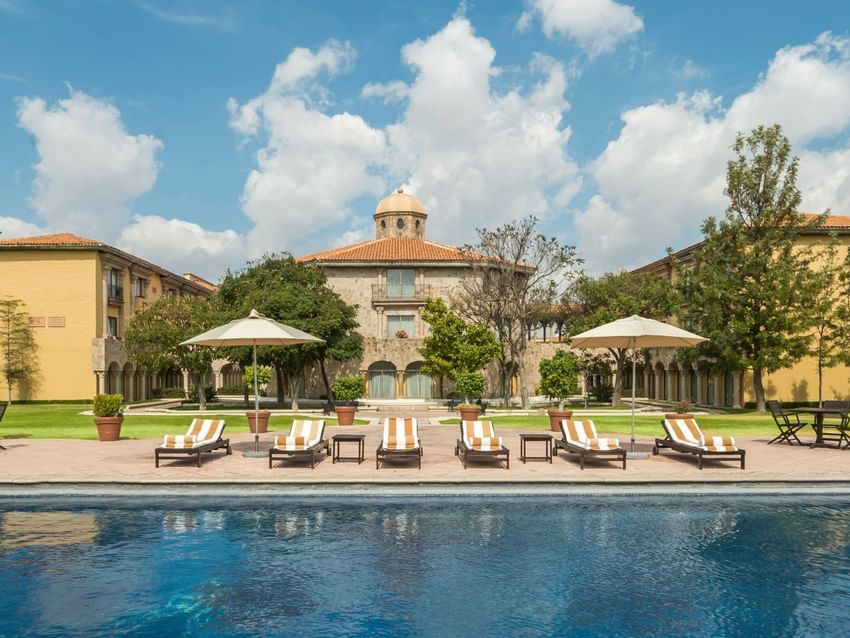
Quinta Real Aguascalientes
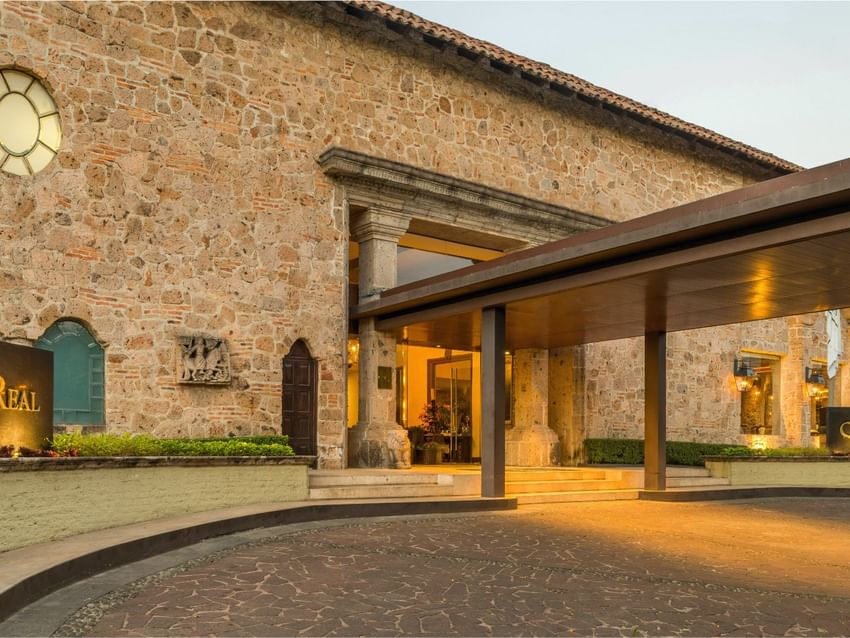
Quinta Real Guadalajara
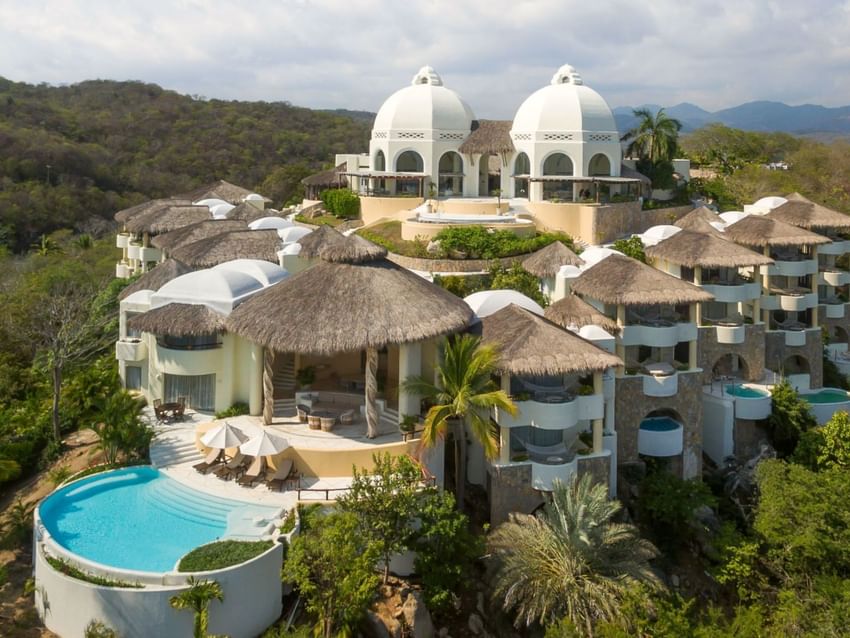
Quinta Real Huatulco
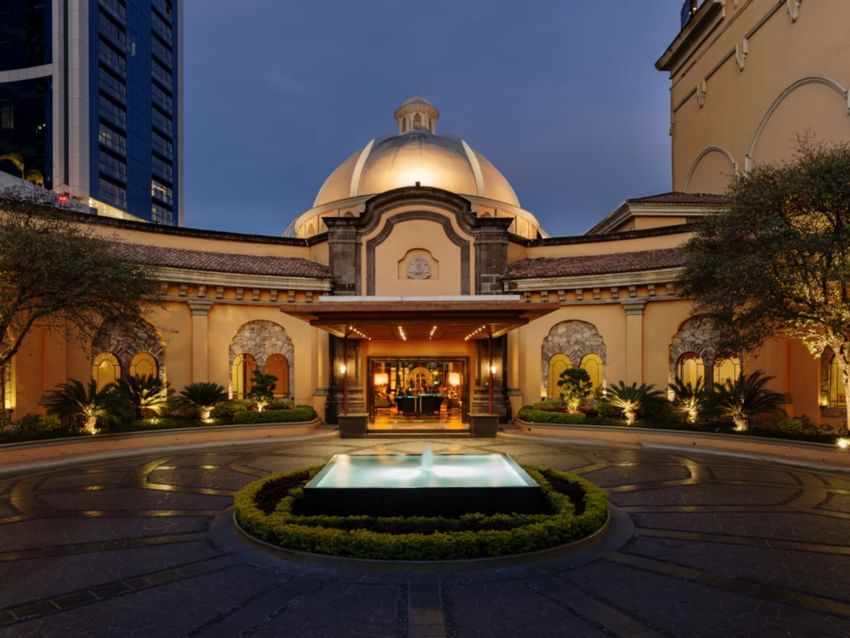
Quinta Real Monterrey
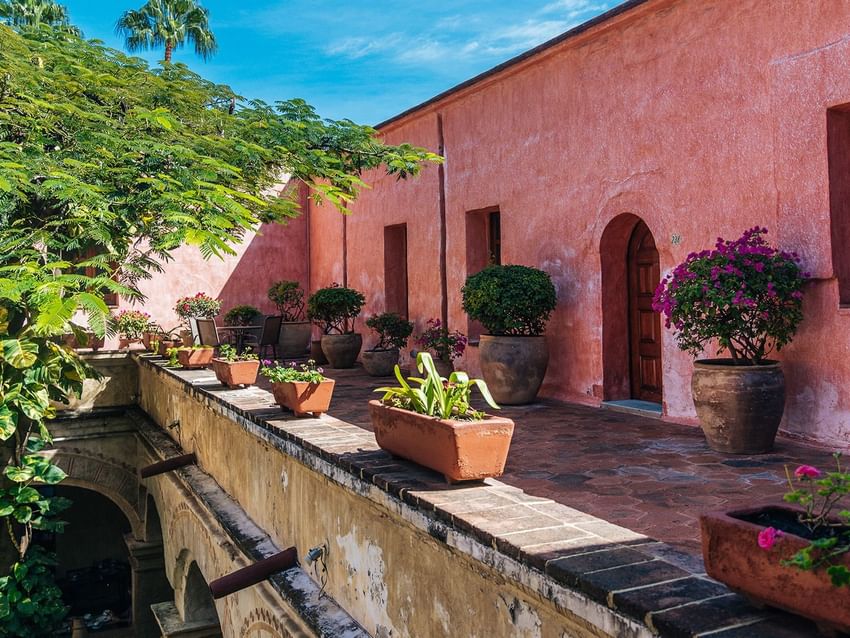
Quinta Real Oaxaca
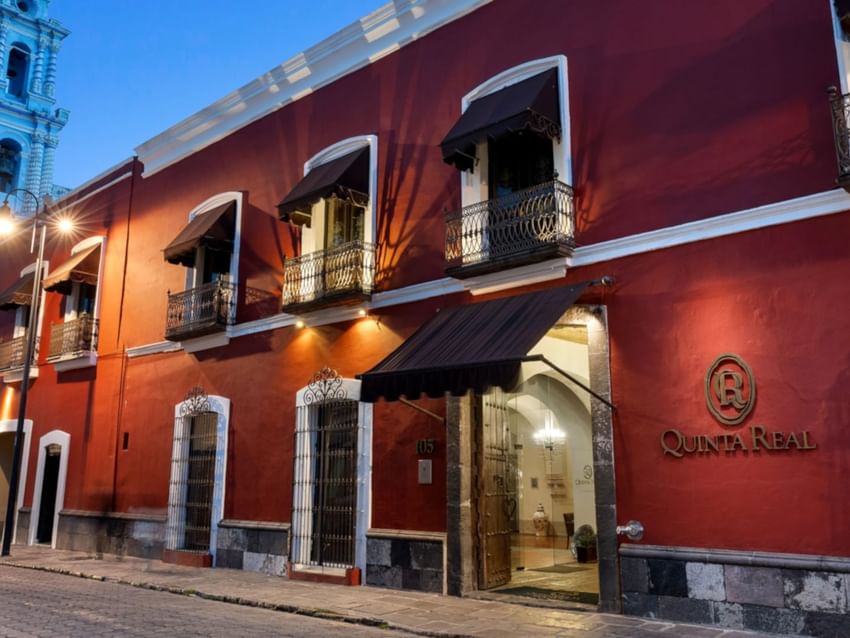
Quinta Real Puebla
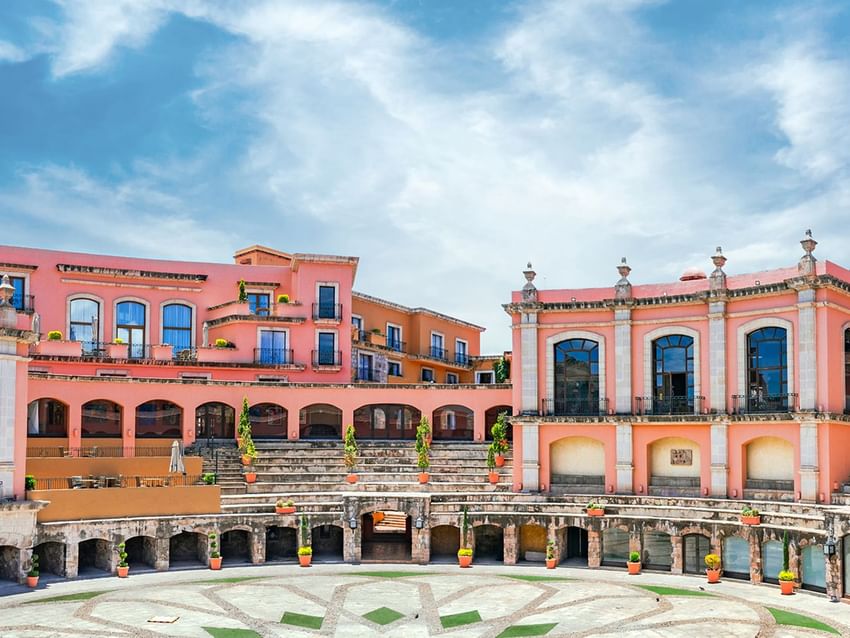
Quinta Real Zacatecas
No Results Found