

From the maguey plant to the glass, pulque is experiencing a powerful revival—a ritualistic drink where history, flavor, and tradition continue to pulse at the heart of Mexico.
Mexican drinks with a story: Pulque, Mexico’s ancient elixir
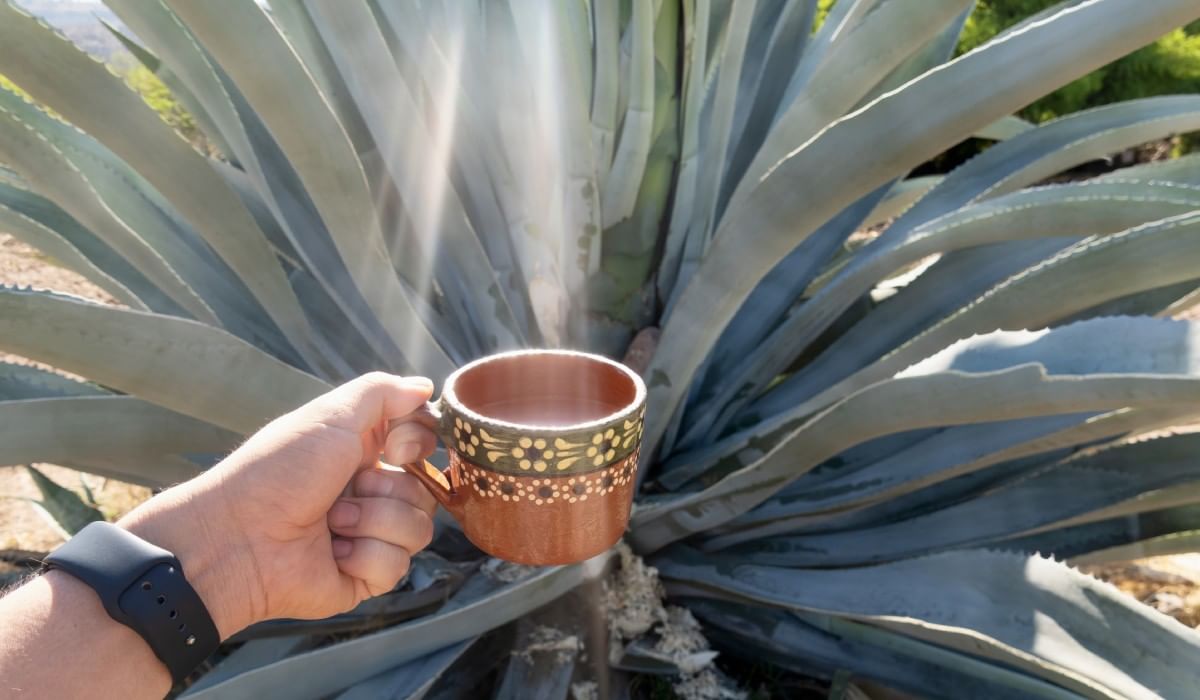 Photo: Shutterstock
Foamy, complex, and steeped in centuries of history, pulque is once again finding itself in the spotlight—this time through a contemporary lens. From sprawling maguey fields to vibrant urban pulquerías, this ancestral drink unfolds like a living narrative where tradition meets modern curiosity. There is something almost magnetic about its character: somewhere between shared laughter, inherited knowledge, and an undeniable air of mystery, pulque captivates both lifelong drinkers and newcomers discovering it for the very first time.
Every sip carries a story that refuses to remain in the past. More than a beverage, pulque is an experience that bridges pre-Hispanic ritual with contemporary Mexican culture. And now, as new generations rediscover it, its essence remains untouched—ready to win over new palates while continuing to ferment stories centuries in the making.
The history of Pulque, Mexico’s sacred drink
To speak about pulque is to open a direct window into pre-Hispanic Mexico. Revered as the “nectar of the gods,” the drink was closely tied to Mayahuel, the goddess of maguey and fertility. Its consumption was far from ordinary; pulque held ceremonial significance and was reserved for religious rituals, special celebrations, and specific sectors of society.
When the Spanish arrived in the 16th century, pulque suddenly faced competition from European wine and distilled spirits. Yet rather than disappearing, it adapted and gradually became part of everyday life during the colonial era. Pulquerías — lively gathering places filled with music, conversation, and tradition — multiplied across the country, evolving into important social spaces.
Today, pulque is experiencing a cultural renaissance. States such as Hidalgo, Tlaxcala, and the State of Mexico remain the leading producers, preserving a tradition that continues to hold economic and cultural importance. In 2022 alone, national maguey production surpassed 186,000 tons, solidifying Hidalgo’s place as the country’s undisputed leader.
But beyond production numbers, pulque’s true significance is symbolic. It has inspired music, literature, and art for generations, while remaining deeply present in festivals, fairs, and community gatherings throughout the country. Pulque is not simply consumed — it is celebrated.
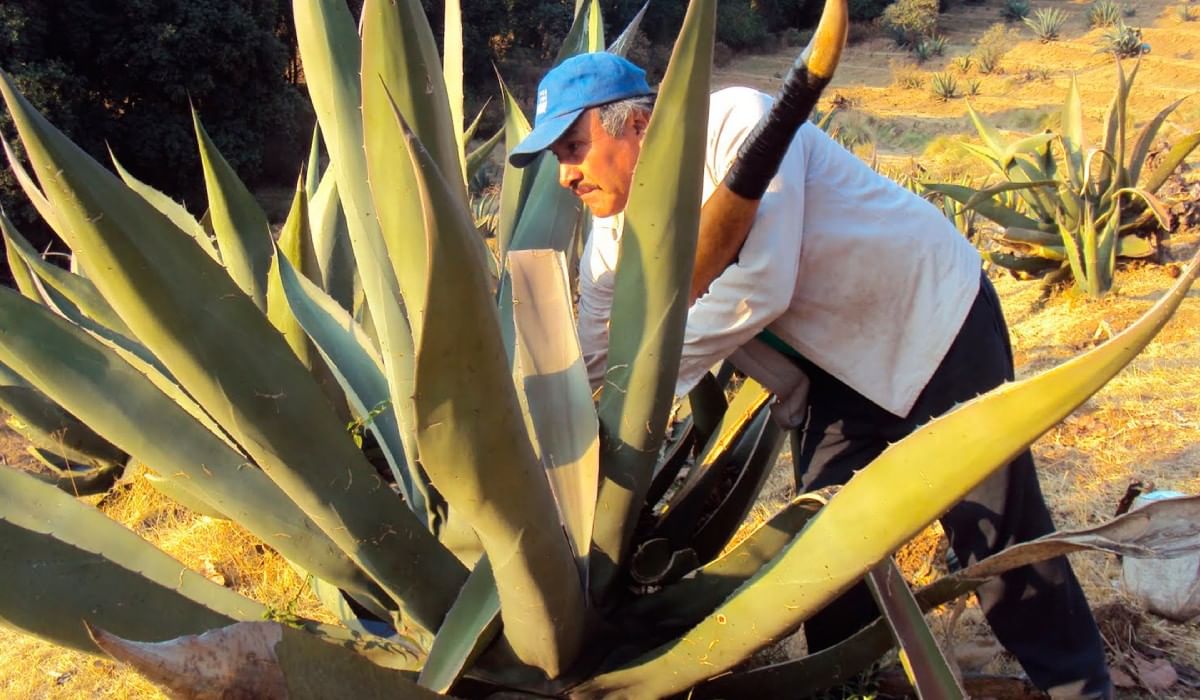 Photo: Gobierno de México
What is the process of making pulque?
The process behind pulque resembles an ancestral choreography requiring patience, precision, and inherited expertise. Everything begins with the maguey plant, which takes between seven and twelve years to mature. Once it reaches its ideal stage, the plant is carefully cut open to extract aguamiel, a naturally honey water that forms the foundation of the drink.
This is where the tlachiqueros enter the scene—true masters of the craft. Using traditional tools, they collect the aguamiel directly from the heart of the maguey before transporting it to begin fermentation. The transformation happens naturally inside wooden or clay vessels, where wild yeasts and environmental bacteria work their magic.
The result is a low-alcohol beverage that is slightly acidic, velvety in texture, and entirely unique in personality. Pulque can be enjoyed fresh or transformed into curados, flavored versions infused with fruits and ingredients such as pineapple, strawberry, guava, or walnut—interpretations that have helped introduce the drink to a new generation of enthusiasts.
Each glass of pulque reflects a living process that constantly evolves and resists full industrialization without sacrificing its soul.
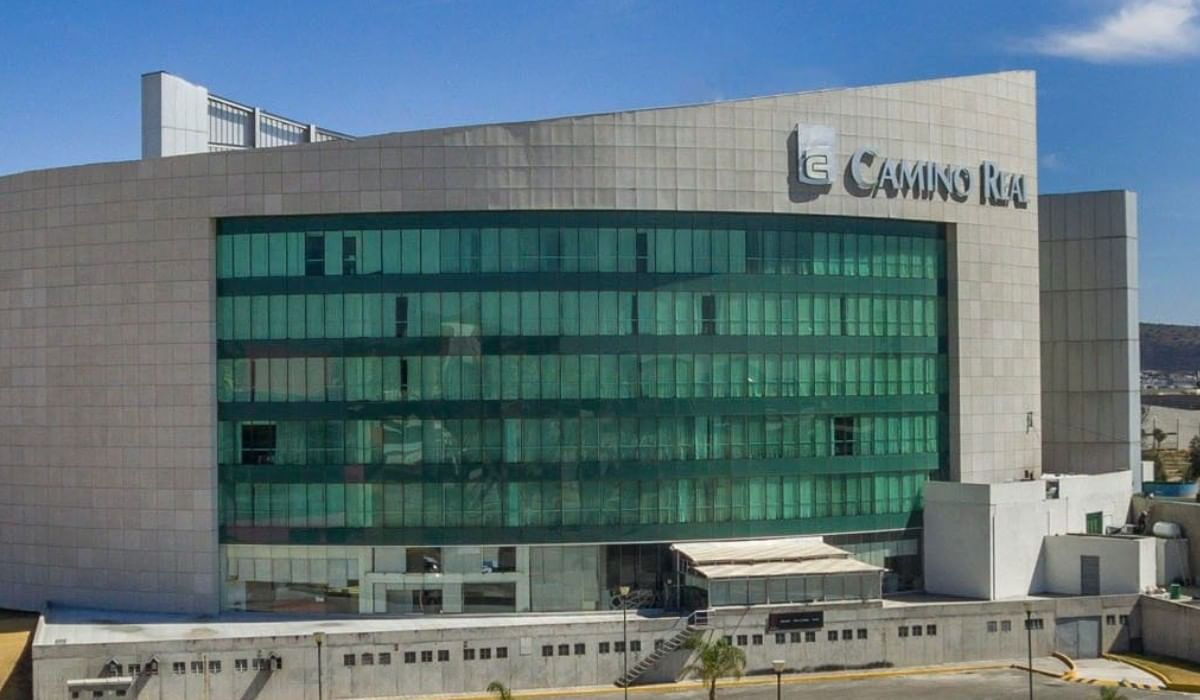 Photo: Camino Real Pachuca
Where to Stay When Visiting Hidalgo
For travelers wanting to fully immerse themselves in the world of pulque, Hidalgo is an essential destination. And when it comes to accommodations, Camino Real Pachuca stands out as a stay that elevates the experience from the moment guests arrive.
Located in the exclusive Zona Plateada district, the hotel combines contemporary elegance with an atmosphere designed for relaxation. Its spacious rooms feature sophisticated interiors and the level of comfort expected by discerning travelers.
Luxury reveals itself in every detail, from its culinary offerings and event spaces to its fully equipped fitness center. Its strategic location also makes it easy to explore nearby attractions such as the Monumental Clock of Pachuca and the charming mountain landscapes of Mineral del Monte.
Whether visiting for a cultural escape or a journey focused on discovering Hidalgo’s famed pulque routes, the hotel offers a seamless experience where comfort, exclusivity, and Mexican heritage come together effortlessly.
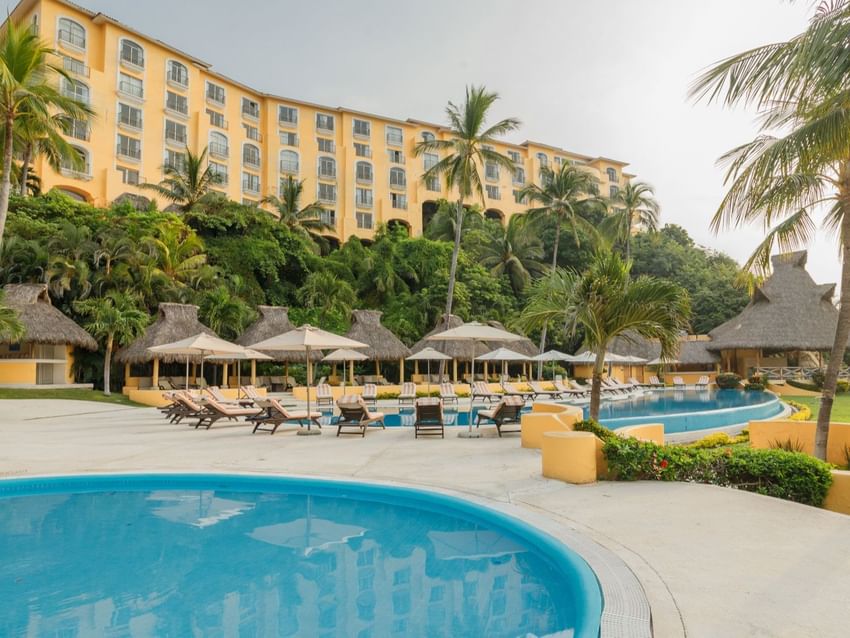
Quinta Real Acapulco
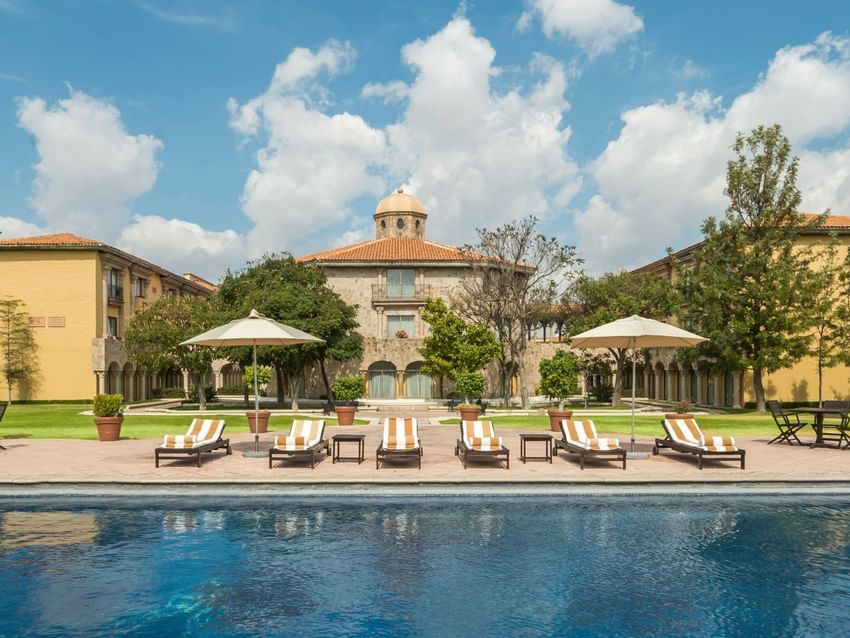
Quinta Real Aguascalientes
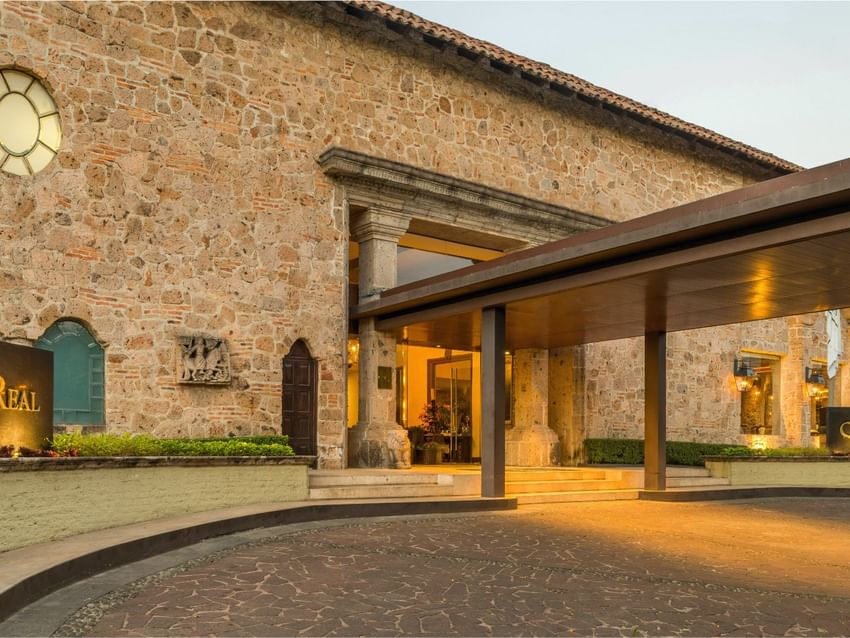
Quinta Real Guadalajara
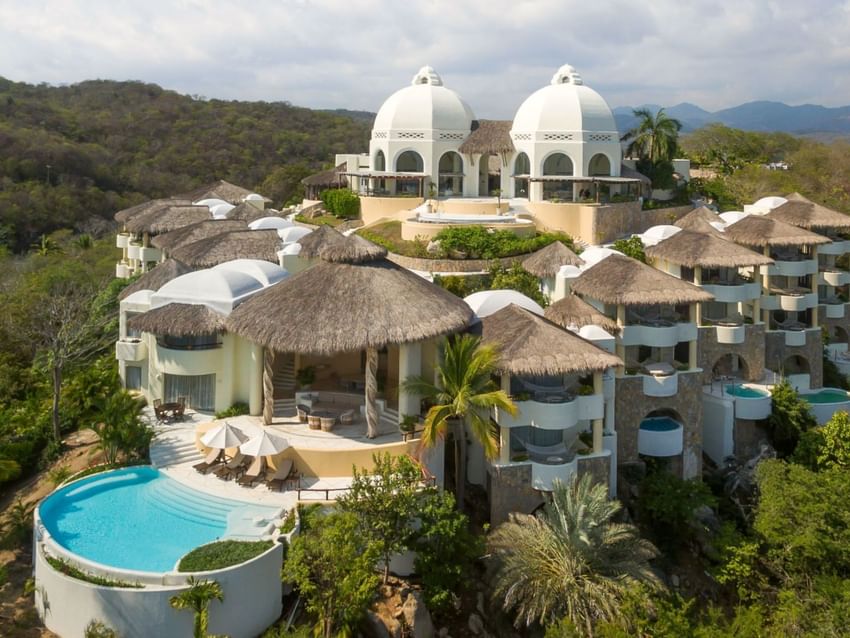
Quinta Real Huatulco
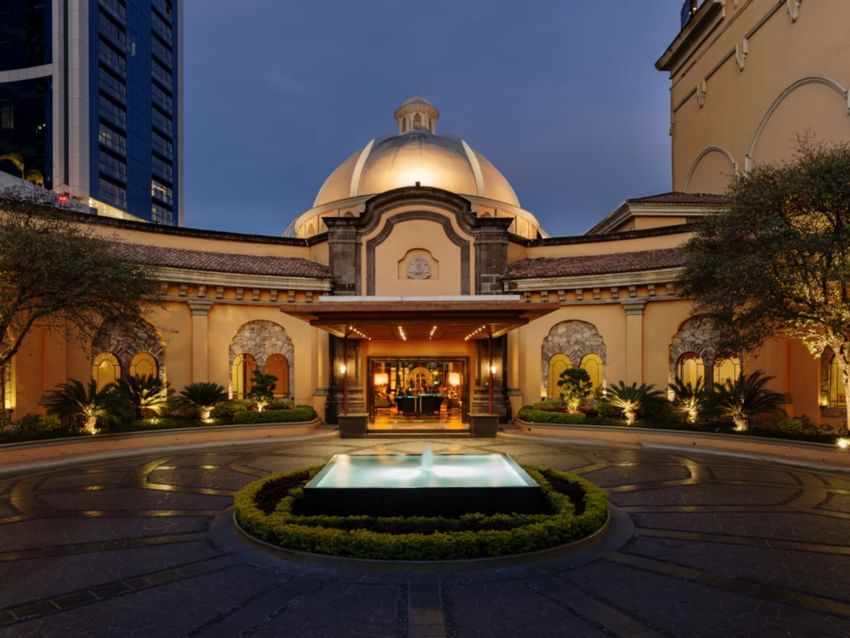
Quinta Real Monterrey
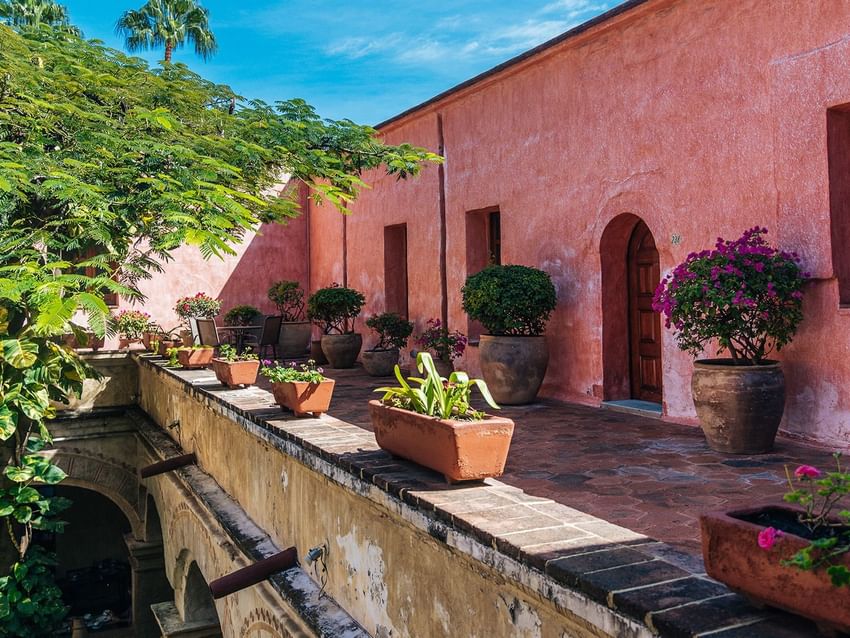
Quinta Real Oaxaca
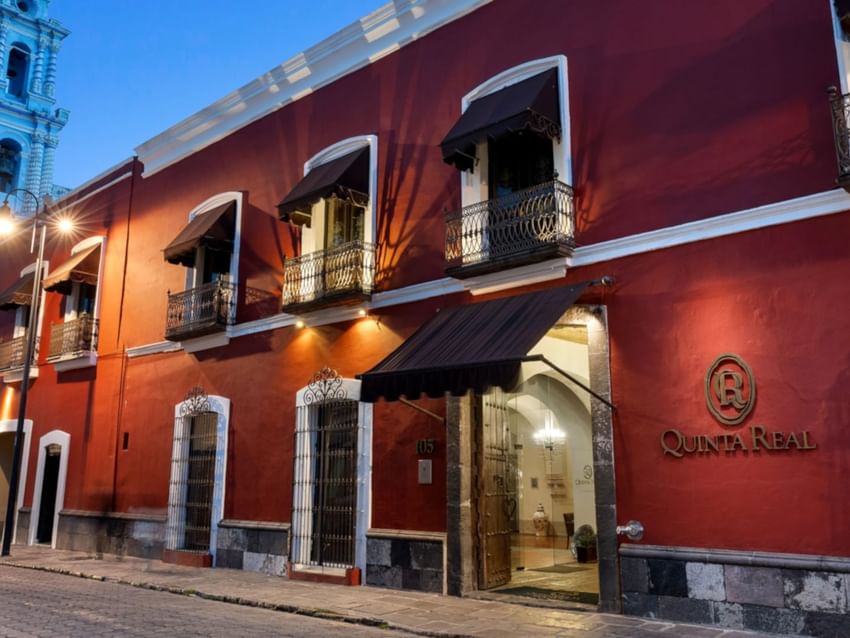
Quinta Real Puebla
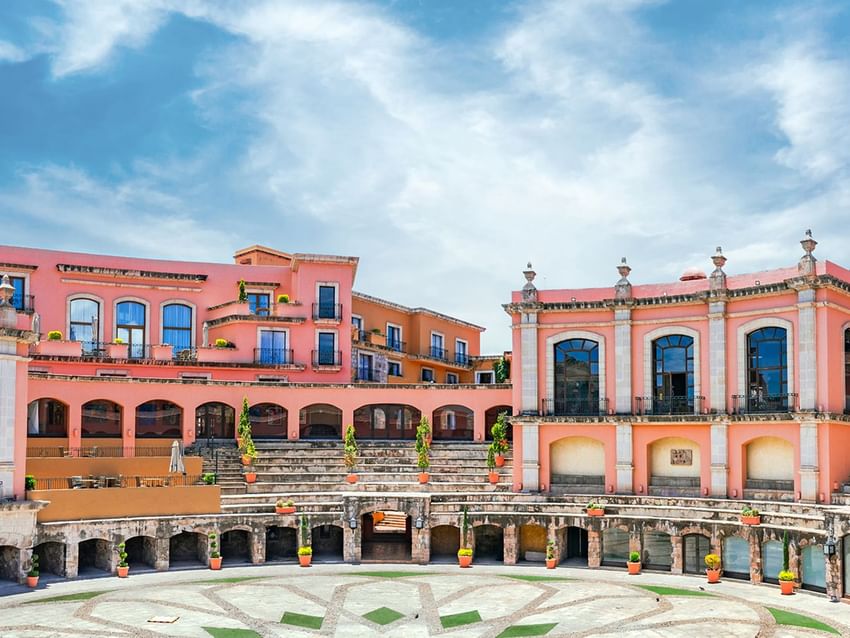
Quinta Real Zacatecas
No Results Found