

Mexico City is already embracing World Cup fever, with exhibitions and football-inspired experiences celebrating the passion for the beautiful game.
What is the history of Table Soccer?
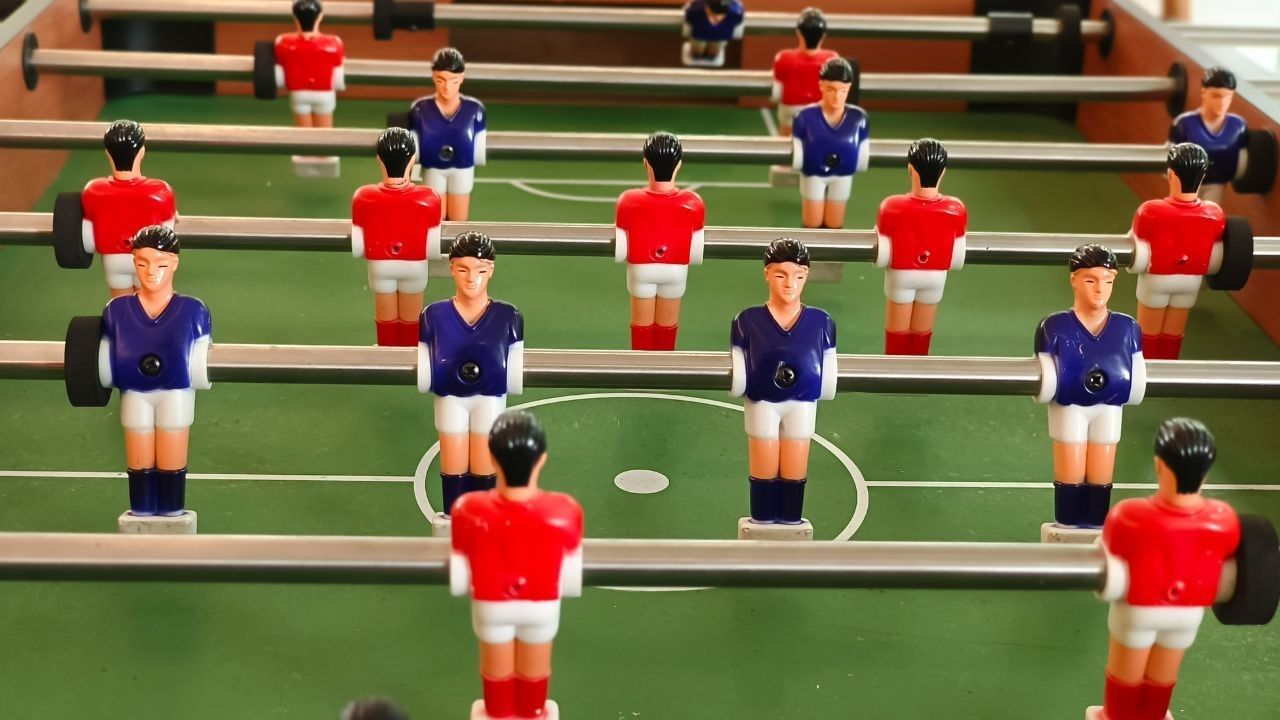 Photo: Shutterstock
The countdown to the World Cup has officially begun, and Mexico is preparing to welcome thousands of fans arriving to experience the world's biggest football celebration. Amid stadiums, jerseys, and endless conversations about legendary goals, Mexico City is also getting ready with cultural experiences that offer visitors a different perspective on the spirit of the game—one rooted in art, nostalgia, and collective memory.
And when football becomes the topic of conversation on every corner, childhood memories inevitably resurface, often tied to the beloved table soccer game that filled countless afternoons with friends and family. Now, as World Cup excitement builds by the day, two exhibitions in the capital offer essential stops for anyone interested in discovering how football can also be explored through art, design, and shared memory.
The history of table soccer
Known in different parts of the Spanish-speaking world as futbolín, metegol, or taca-taca, table soccer is one of those games deeply embedded in the memories of generations of families. Inspired by association football, the tabletop game has been passed down from one generation to the next and remains a favorite way to bring friends together.
Although its origins can be traced back to Spain in the late 19th century, modern table soccer was invented by Harold Thornton in the United Kingdom in 1921 and patented two years later. Its concept is simple yet irresistibly addictive: a miniature pitch set into a table, metal rods lined with players, and a small ball that must find its way into the opponent's goal.
The game pits two teams against each other and can range from quick matches between two players to much more competitive games involving four or six participants. The key lies in quick reflexes and mastering classic moves such as la culebra, el globito, or the famous pase-tiro—techniques that can turn any match into an exhilarating showdown.
More than a classic pastime, table soccer is part of the popular culture surrounding football, especially now that the World Cup is once again placing the sport at the center of conversations everywhere.
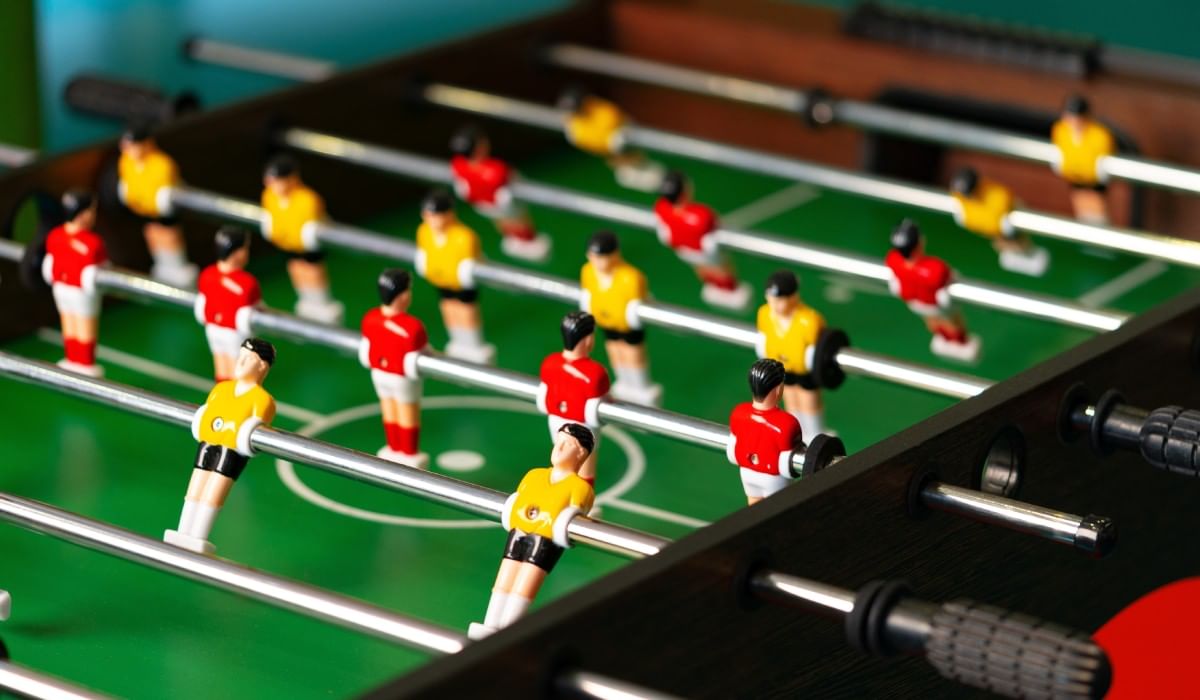 Photo: Shutterstock
Football and art: That same emotion” at Museo Jumex
One of the city's cultural spaces already embracing the World Cup atmosphere is Museo Jumex, with the exhibition “Football and Art: That Same Emotion,” on view through July 26, 2026.
The exhibition brings together works by Mexican and international artists exploring the ways football intersects with identity, collective memory, and social emotion. Curated by Guillermo Santamarina, the show transforms the sport into an artistic dialogue in which stadium stands, matches, and even defeats become works that engage the viewer.
Among the highlights is Tribunas, created by the collective Tercerunquinto using former seating from Estadio Azteca, as well as the video collage Las trampas de la fe. A.K.A. La tentación del fracaso, by Diego Berruecos, dedicated to penalty kicks missed by the Mexican national team since 1985.
The experience is a reminder that football doesn't only live on the pitch. It can also be felt inside a museum, through stories, memories, and emotions shared by millions.
Museo Franz Mayer invites you to “Football: Designing a Passion"
In the heart of Mexico City's Historic Center, Museo Franz Mayer has also joined the football conversation with the exhibition “Football: Designing a Passion,” on view through August 2026.
The exhibition brings together more than 250 pieces exploring the design behind the game. From footballs and jerseys to architectural and technological elements, the show reveals how football has evolved through creativity and innovation.
The exhibition offers a fresh perspective on the sport, highlighting how every detail—from a jersey to the design of a stadium—contributes to a collective experience shared by millions of people around the world.
Both exhibitions are part of a broader series of cultural experiences taking place across Mexico City ahead of the 2026 World Cup, offering a different way to engage with football beyond the ninety minutes of a match.
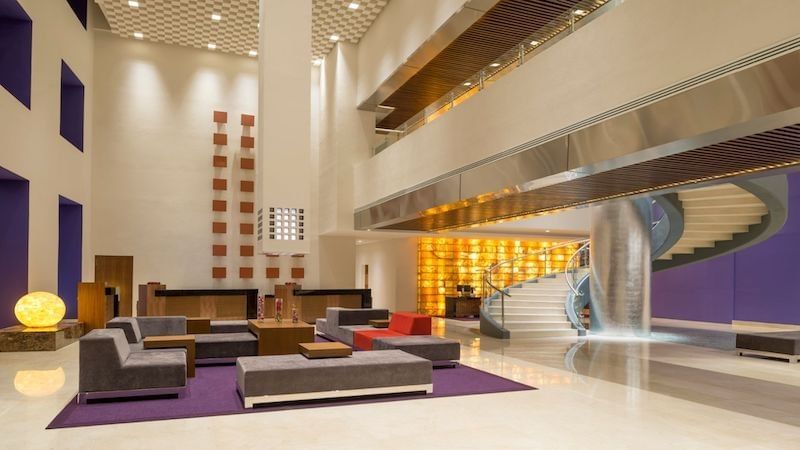 Photo: Camino Real Pedregal
Camino Real Pedregal, una gran opción para hospedarse en CDMX
For a comfortable stay in Mexico City during World Cup season, Camino Real Pedregal is an excellent option in the south of the capital.
The hotel combines contemporary design with Mexican-inspired details and enjoys a convenient location near some of Mexico City's key destinations. Set across from Artz Pedregal and just steps from Hospital Ángeles Pedregal, it also offers easy access to different cultural and tourist attractions via the Anillo Periférico.
Amenities include a fitness center, spa, business center, and spacious event venues. Guest rooms feature minibars, satellite television, and upscale amenities, while the Master Suite offers a private jacuzzi for an especially relaxing stay.
The hotel's dining options also make it easy to enjoy breakfast, lunch, or dinner without leaving the property, making it a convenient base for travelers who want to explore Mexico City while taking in the excitement surrounding the World Cup.
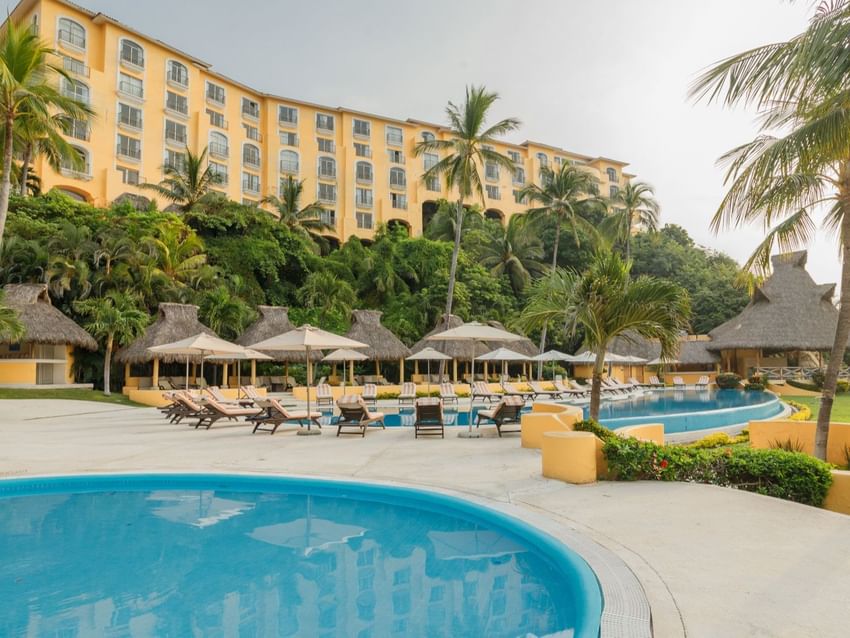
Quinta Real Acapulco
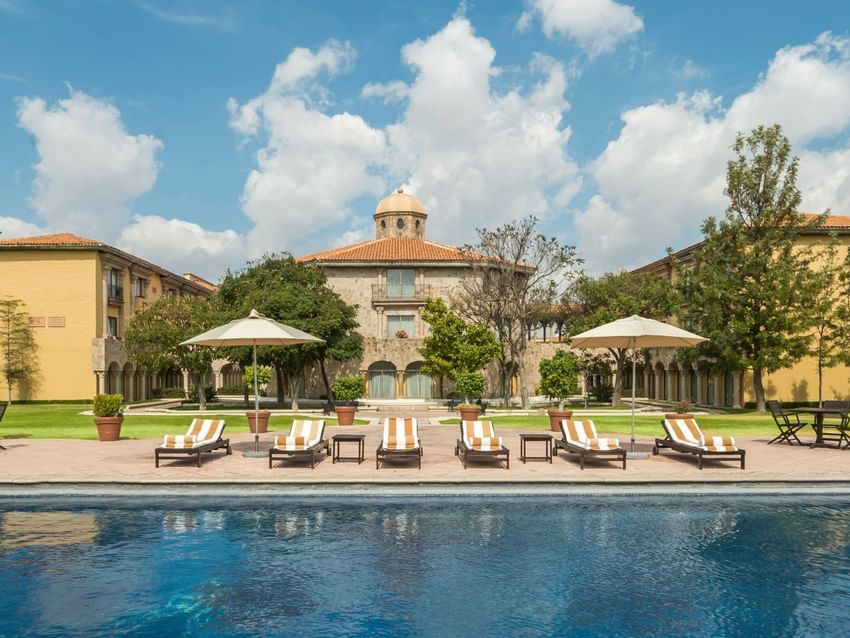
Quinta Real Aguascalientes
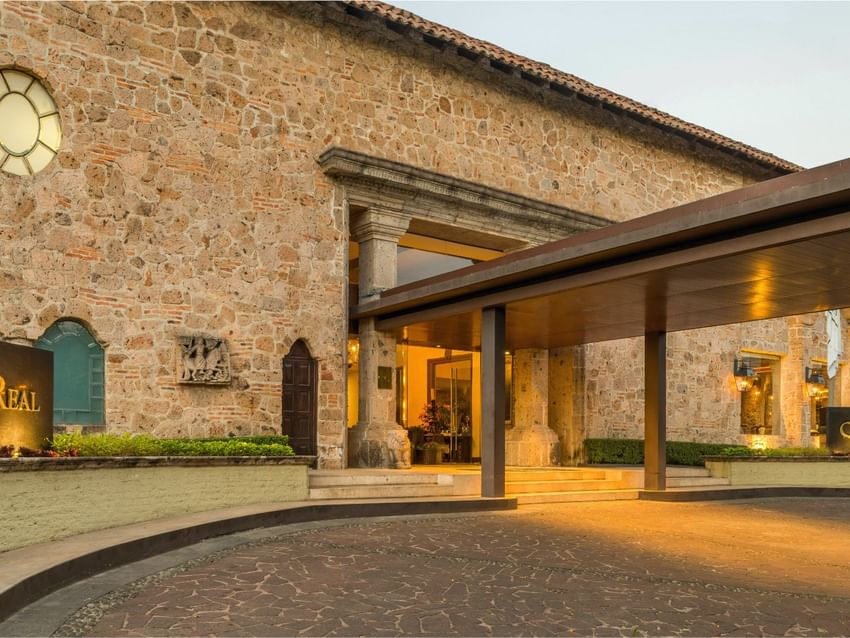
Quinta Real Guadalajara
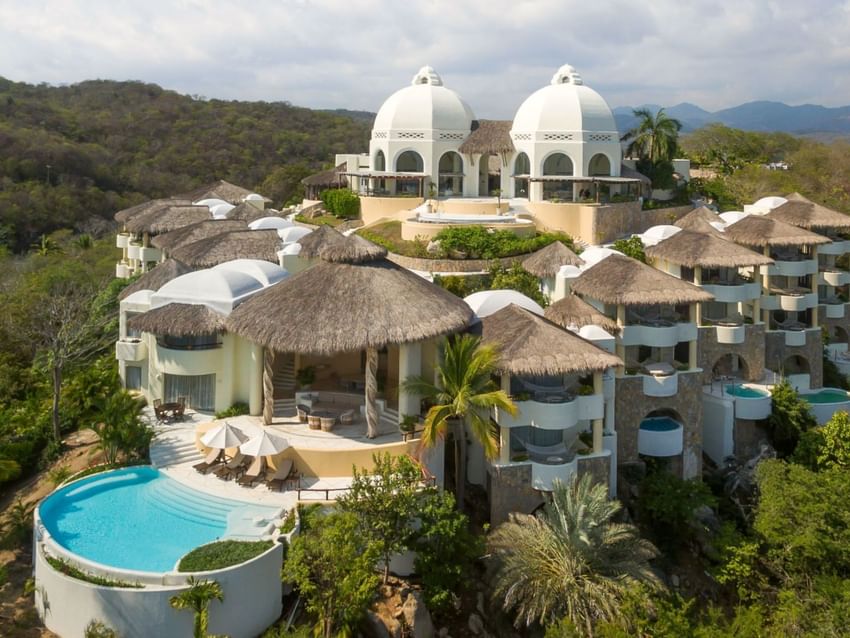
Quinta Real Huatulco
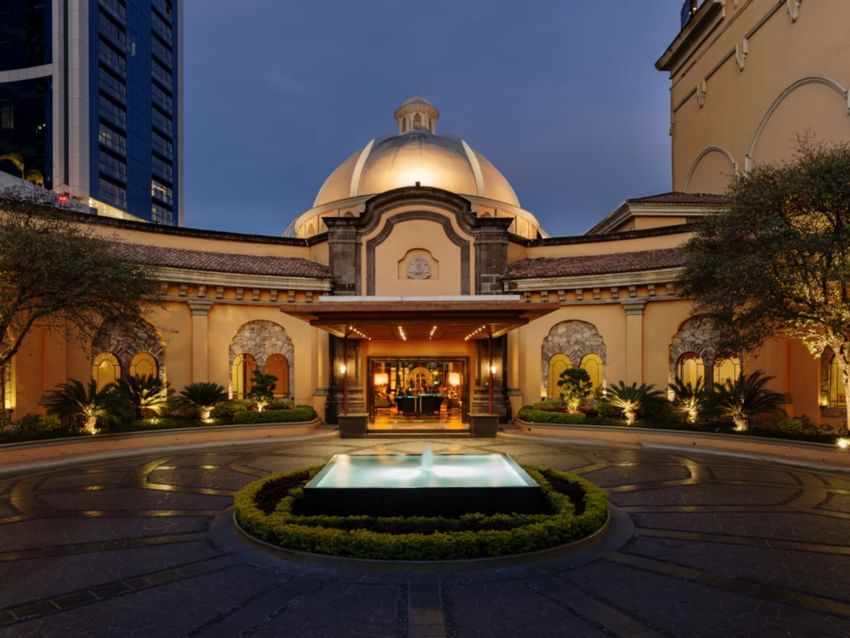
Quinta Real Monterrey
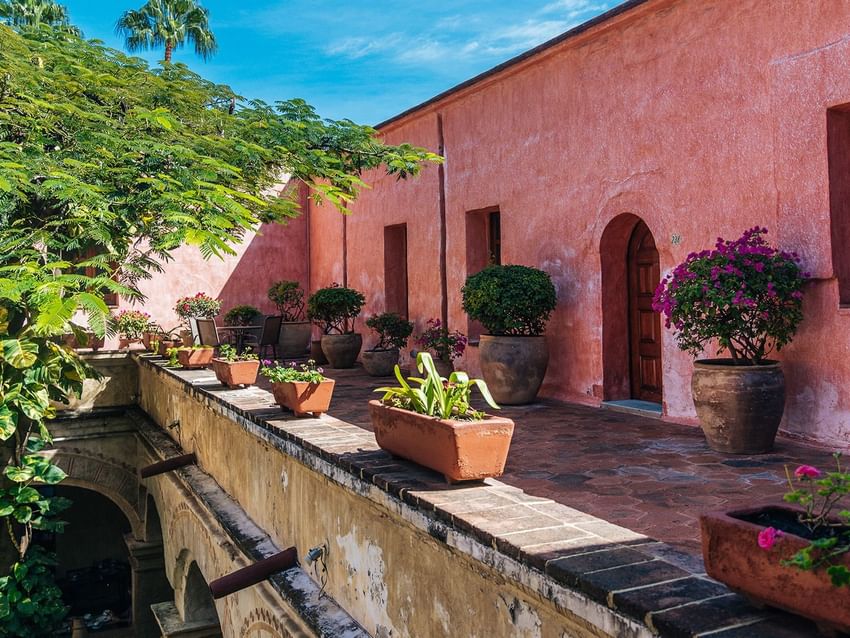
Quinta Real Oaxaca
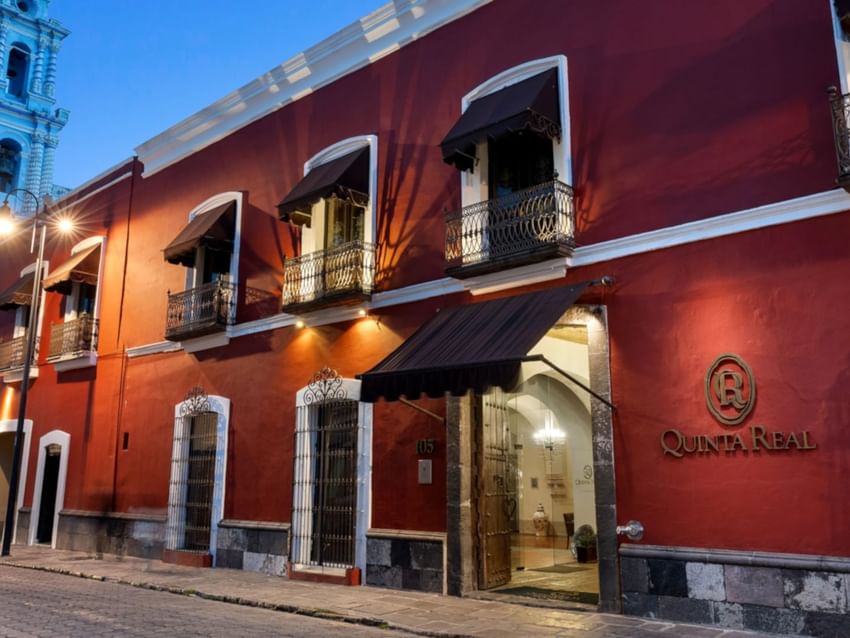
Quinta Real Puebla
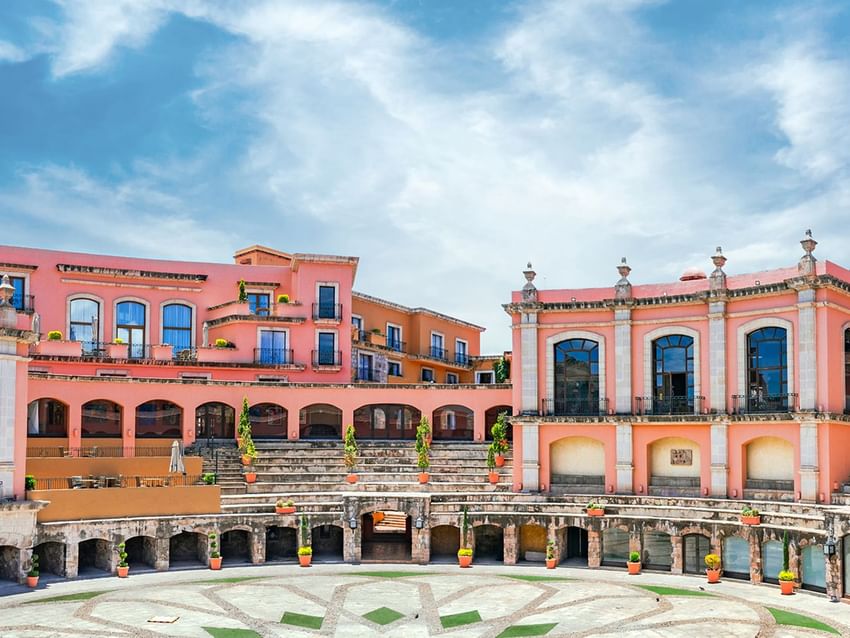
Quinta Real Zacatecas
No Results Found